-
Andrew Freedman, Climate Central
Typhoon Haiyan Foretells Challenges for U.S. Military in Warming World
›November 14, 2013 // By Wilson Center Staff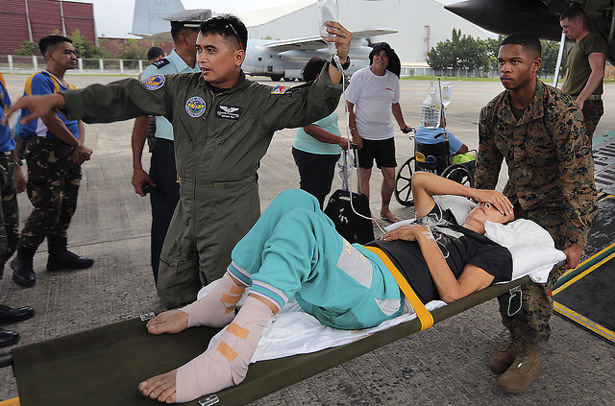
Super Typhoon Haiyan left the central Philippines in ruins, with a staggering death toll that could climb well above 10,000. The U.S. military is leading the international response to the devastation, along with international aid agencies. The Pentagon has dispatched an aircraft carrier and five other Navy ships, plus a separate group of at least 90 marines and specially trained humanitarian relief teams to the area.
-
Crowded Out: New Evidence Points to Population Growth as Key Driver of Biodiversity Loss
›November 12, 2013 // By Kathleen Mogelgaard
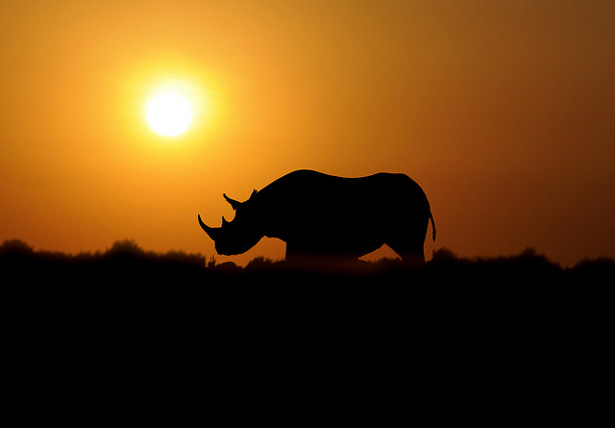
In 2009, economist Jeffrey Sachs, alongside more than 20 eminent scholars from different fields, highlighted the importance of biodiversity for human well-being in a policy commentary published in Science. They noted the Millennium Development Goals (MDGs) included a target to achieve, by 2010, a significant reduction in the rate of species loss, and they also noted that it was one of the MDG targets that was most off-track. “Our lack of progress toward the 2010 target,” they said, “could undermine achievement of the MDGs and poverty reduction in the long term.” The 2010 target was missed, and today species are moving toward extinction at an ever faster pace. Last week’s announcement confirming the extinction of Africa’s western black rhino is the latest sad example of this trend.
-
In Urban Planning for Climate Change, Pay Attention to Population Dynamics & Smaller Cities, Says Daniel Schensul
›
When it comes to coping with the effects of climate change, cities will be a crucial proving ground for adaptation efforts. Over the next few decades, the percentage of the world’s population living in urban areas is projected to increase to 67 percent – 6.3 billion people by 2050, according to the UN. But because three-quarters of the world’s major cities are located on coastlines, the growing percentage of urban residents means more people will be vulnerable to environmental stressors such as sea level rise and storm surges.
-
Climate Change in a Growing, Urbanizing World: Understanding the Demography of Adaptation (Book Launch)
›The effects of climate change are often conveyed through the lens of changing physical landscapes. Shifting weather patterns, the intensification of drought, flooding, and coastal erosion are all primary areas of climate research. But do researchers know enough about changes in the size, distribution, and composition of human populations as they relate to climate vulnerability? [Video Below]
-
“We Are Not Sitting Idle, We Are Fighting”: Interview With Saleemul Huq on Bangladesh’s Climate & Food Challenges
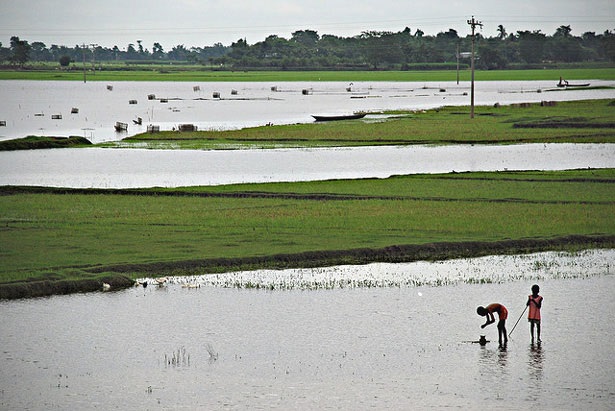
›When it comes to climate change vulnerability, it sometimes seems as if all eyes are on Bangladesh. As part of my research for a recent article exploring the rise of aquaculture in the country, I interviewed Saleemul Huq, senior fellow at the International Institute for Environment and Development in London, former executive director of the Bangladesh Center for Advanced Studies, and lead author of two chapters on adaptation and sustainable development in the IPCC’s third and fourth assessment reports. A number of his quotes made it into the final story but I wanted to provide the full transcript here as well, as his thoughts on the country’s climate-related risks, food security, and population dynamics are worth a read.
-
Aligning Human and Ocean Health, Preventing Sudden Freshwater and Plant Habitat Decline
›“The size and growth of the human population is putting unprecedented pressure on natural resources,” reports the first major publication by the Global Partnership for Oceans. The World Bank launched the consortium of more than 140 government, NGO, and private sector groups at the Rio+20 UN Conference on Sustainable Development as a means to bring targeted investment to reverse ocean health decline and encourage sustainable development. On October 16, the Partnership’s Blue Ribbon Panel released Indispensable Ocean: Aligning Ocean Health and Human Well-Being, which encourages members to prioritize five principles: sustainable livelihoods, social equity, and food security; a healthy ocean; effective governance systems; long-term viability; and capacity building and innovation. Selection criteria for investments accompany each principle, including requirements like addressing problems of food affordability and access, demonstrating potential for improvements in human health, and building resilience to future conditions. “The good news is that we stand at a point in history where it is neither too late nor impossible to turn the tide of change that is currently sweeping across the ocean,” panel chair Ove Hoegh-Guldberg concludes. -
“See What Story the Data Tells”: PAI’s Gina Sarfaty on Mapmaking With a Purpose
›
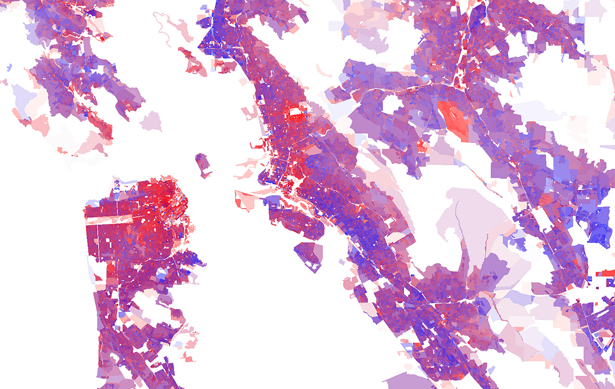
“Maps are inherently compelling because they contain a high resolution of information and most people have really been trained since grade school on how to read a map,” says Population Action International mapping specialist Gina Sarfaty in this week’s podcast.
-
Vicky Markham, Impatient Optimists
As UN Debates Post-2015 Agenda, Women Deliver Development
›October 23, 2013 // By Wilson Center StaffIt’s not often that we are presented with the perfect opportunity to affect a broad set of development policies as we are currently with the UN’s post-2015 agenda.
Showing posts from category climate change.