-
The 2024 Emissions Gap Report: A Clarion Call for Mandatory Commitments?
›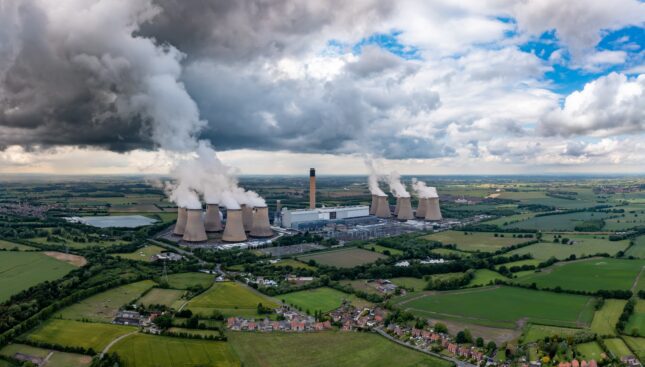
A new United Nations report calls upon countries to deliver drastically stronger action on climate change. “Emissions Gap Report 2024: No more hot air…please!” is intended to raise the alarm at a significant moment: less than a month before nations head to Azerbaijan for COP29, and just a few months before the preparation and submission of new nationally determined contributions (NDCs) next February ahead of COP30 in Brazil.
-
New Security Brief | Pioneering Solutions: Climate Finance, Gender Equity, and Sexual and Reproductive Health Services
›
This article is adapted from “Pioneering Solutions: Climate Finance, Gender Equity, and Sexual and Reproductive Health Services”
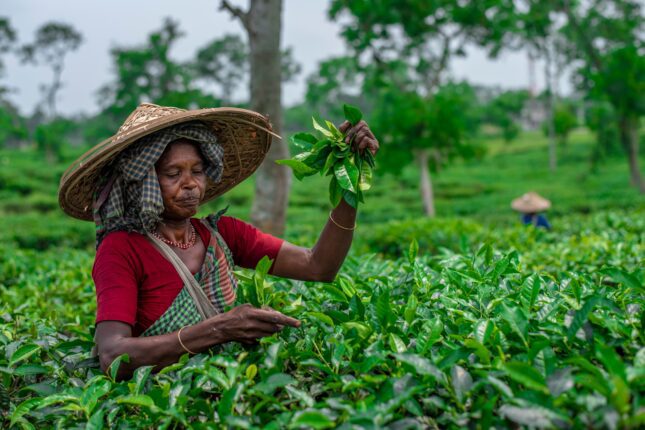
A warming world is leading to new challenges for communities and countries around the globe. The significant impacts of climate change on global health, and on women and girls, are well-documented. Yet despite the evidence, funding for climate responses that focus on health or gender remains relatively low. In the rare instances where climate finance provides funds to improve health services, sexual and reproductive health (SRH) services—which are critical to women’s full participation in society and decisionmaking—are largely neglected.
-
The Arc | Climate Justice in the Arctic: Part 3
›In today’s episode of The Arc, ECSP’s Claire Doyle and Angus Soderberg interview Eva Maria Fjellheim, a southern Saami researcher at the Arctic University of Norway, for the final episode of our mini-series focused on climate justice in the Arctic. We explore Eva Maria’s research on strengthening Indigenous peoples’ land rights in the face of growing climate and clean energy projects. She shares insights from legal battles in Norway and connects the encroachment on Saami land to similar trends with Indigenous communities in Latin America and elsewhere. Eva Maria also discusses how current climate policies may be missing the mark by failing to truly respect Indigenous rights. Select quotes from the interview are featured below: -
A Tipping Point for Mangrove Restoration and Shrimp Farming in Indonesia
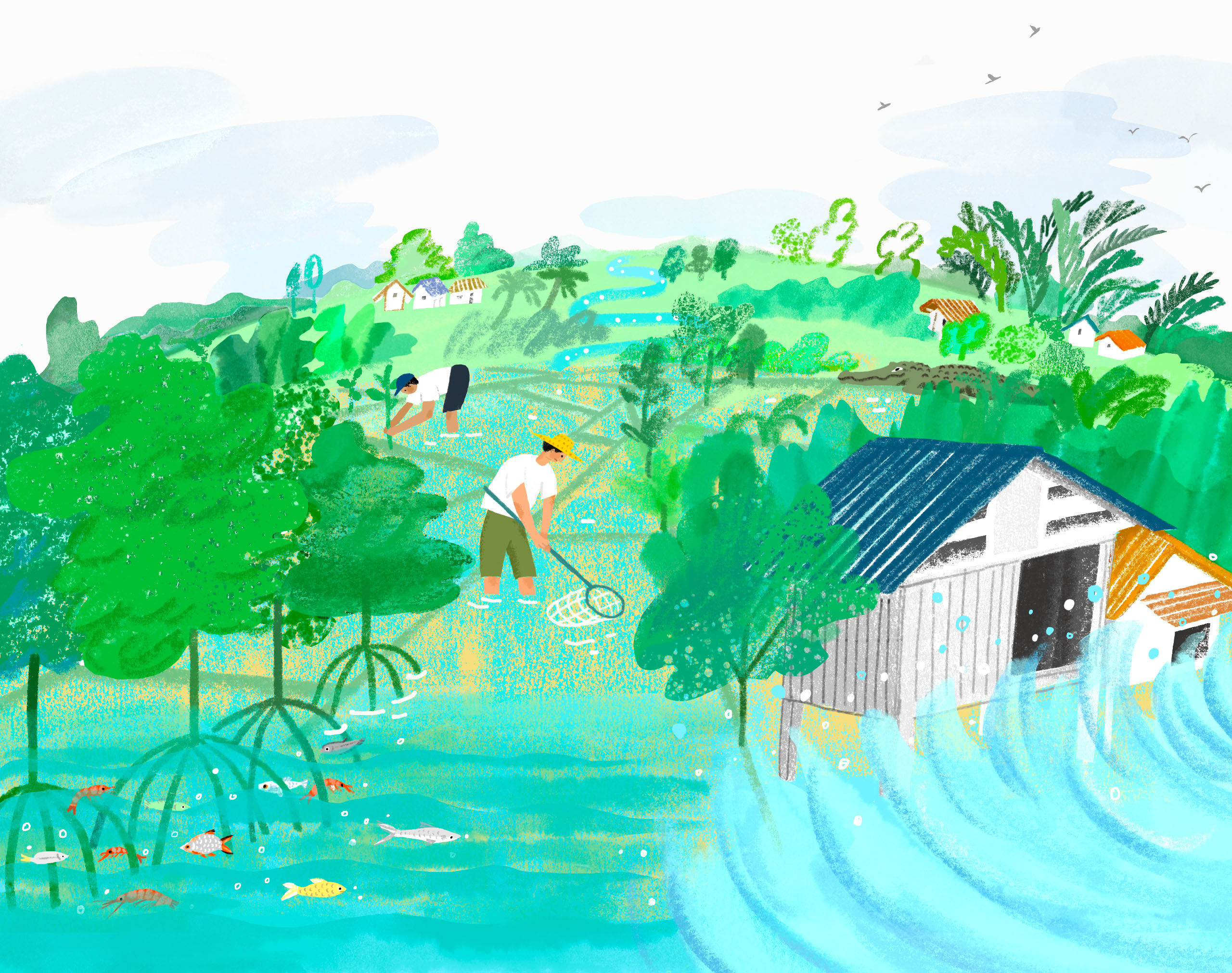
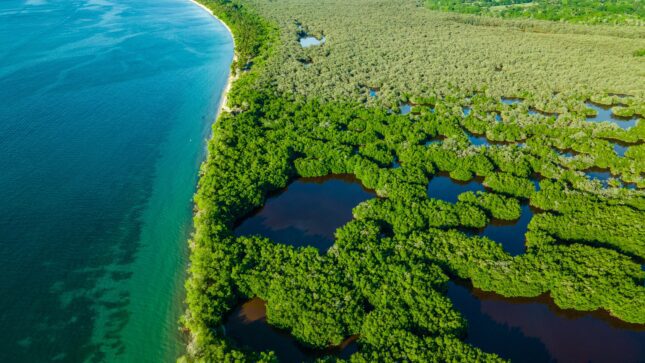
›China Environment Forum // Guest Contributor // Vulnerable Deltas // October 17, 2024 // By Muhibar Sobary ArdanThe Mahakam River flows for 900 km from the highlands of central Borneo through thick rainforest before fanning into a lush delta that feeds the Makassar Strait. Once dense with mangroves and palms, the wetland islands protected coastal communities, supported biodiversity and served as a significant carbon sink.
However, in the 1980s, shrimp ponds began replacing the mangroves. By 2020, around half of the delta’s forests were lost due to weak regulatory enforcement and inadequate environmental protection. This large-scale deforestation increased the area’s vulnerability to climate change.
-
The COP16 Opportunity: Bringing Biodiversity and Climate into Alignment?
›At first glance, the growing alignment of climate and biodiversity challenges in global politics may seem harmless. Indeed, there is a strong argument that it is a much-needed and long overdue development, since addressing these inextricably-connected challenges together may ensure that gains in one area do not lead to costs in the other.
-
ECSP Weekly Watch | October 7 – 11
›A window into what we’re reading at the Wilson Center’s Environmental Change and Security ProgramEscalations in Middle East Spur Oil Security Concerns (Reuters)
One year on from the brutal reignition of the Israeli-Palestinian Conflict on October 7, 2023, the situation in the Middle East has escalated drastically. Hamas’ attack on Israel has been followed by Israeli strikes across the region, which have killed tens of thousands of civilians, displacing millions in Gaza and in Lebanon. Now, tit for tat attacks between Israel and Iran have made Gulf states, particularly Saudi Arabia, Qatar, and the United Arab Emirates (UAE), worry about oil security in the region.
-
Long Term Climate Resilience: A Pathway to Stabilize Somalia
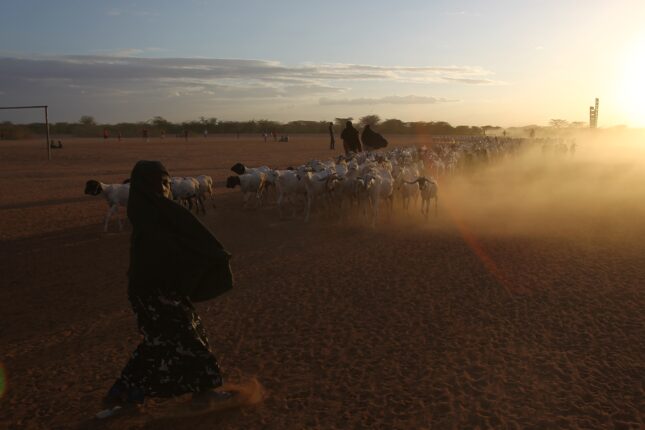
›Somalia is trapped in a cycle where climate impacts—droughts, floods, and erratic weather patterns—fuel displacement, poverty, and conflict. With agriculture and pastoralism at the core of its economy, the country is particularly vulnerable to these environmental shocks, which create fertile ground for insurgent groups to exploit the resulting instability.
-
ECSP Weekly Watch | September 23 – 27
›A window into what we’re reading at the Wilson Center’s Environmental Change and Security Program
Member States Adopt Pact of the Future (United Nations)
The United Nations hosted the Summit of the Future earlier this week, which led to a new agreement between member states which acknowledged the shortcomings of the UN’s current role and abilities. The Pact of the Future encourages member states to reaffirm, reestablish, and renew global cooperation—and create new solutions to address today’s escalating polycrises.
Showing posts from category climate change.
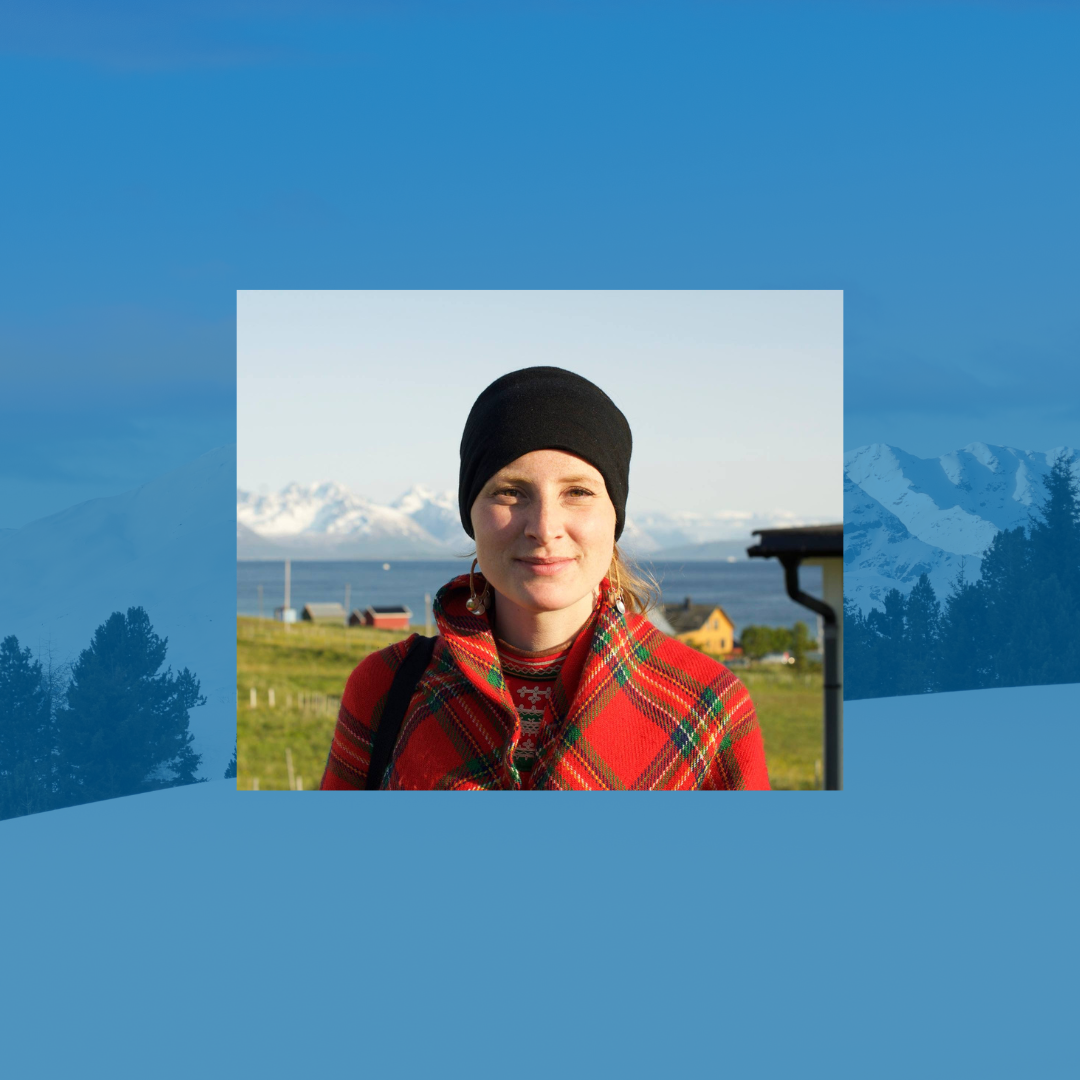 In today’s episode of The Arc, ECSP’s Claire Doyle and Angus Soderberg interview Eva Maria Fjellheim, a southern Saami researcher at the Arctic University of Norway, for the final episode of our mini-series focused on climate justice in the Arctic. We explore Eva Maria’s research on strengthening Indigenous peoples’ land rights in the face of growing climate and clean energy projects. She shares insights from legal battles in Norway and connects the encroachment on Saami land to similar trends with Indigenous communities in Latin America and elsewhere. Eva Maria also discusses how current climate policies may be missing the mark by failing to truly respect Indigenous rights. Select quotes from the interview are featured below: