-
Call for Papers: Reducing Urban Poverty 2016 Graduate Student Paper Competition
›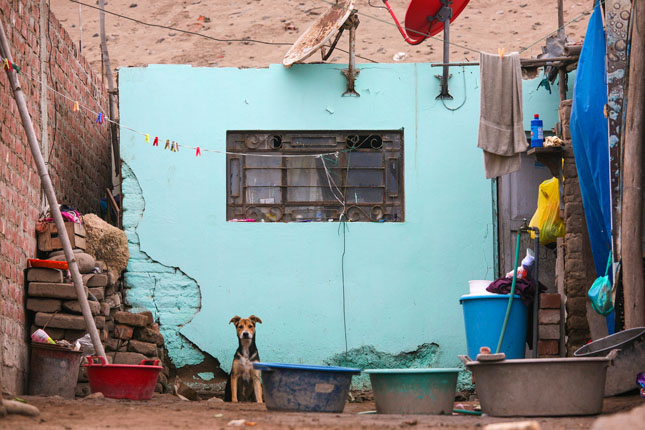
To encourage a new generation of urban policymakers and promote early career research, the Wilson Center, U.S. Agency for International Development, IHC – Global Coalition for Inclusive Housing and Sustainable Cities, World Bank, and Cities Alliance are sponsoring the 7th Annual Urban Poverty Paper Competition. The competition is open to graduate students working on topics related to urban poverty in the developing world.
-
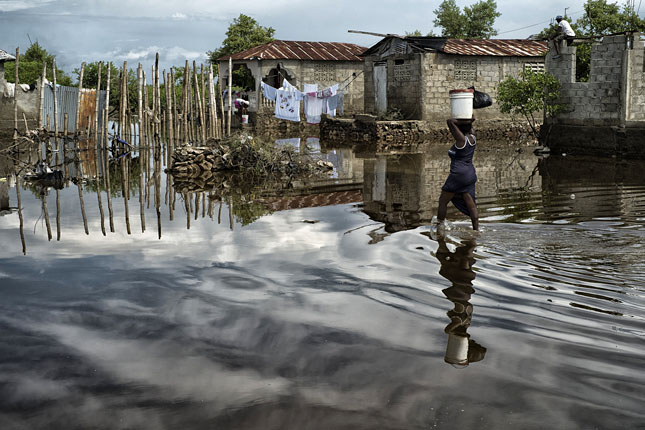
Creating a Water Ready World
›March 22, 2016 // By Sherri Goodman
Sitting at my desk looking at bills to be paid, the first one on the stack is for the water company, emblazoned with the phrase, “Water is Life.” Yes, we all know that. But really, as my teenagers would say, “Duh, Mom. So what?”
Well, here’s the “so what” on this World Water Day 2016.
-
Global Stories From the Nexus of Gender and Climate Change Vulnerability
›March 21, 2016 // By Gracie CookDeveloping countries are in a pitched fight against the effects of climate change, and women, playing prominent roles in agriculture and household resource collection, are “at the front lines in the battle,” writes UN Framework Convention on Climate Change Executive Secretary Christiana Figueres, in a new report.
-
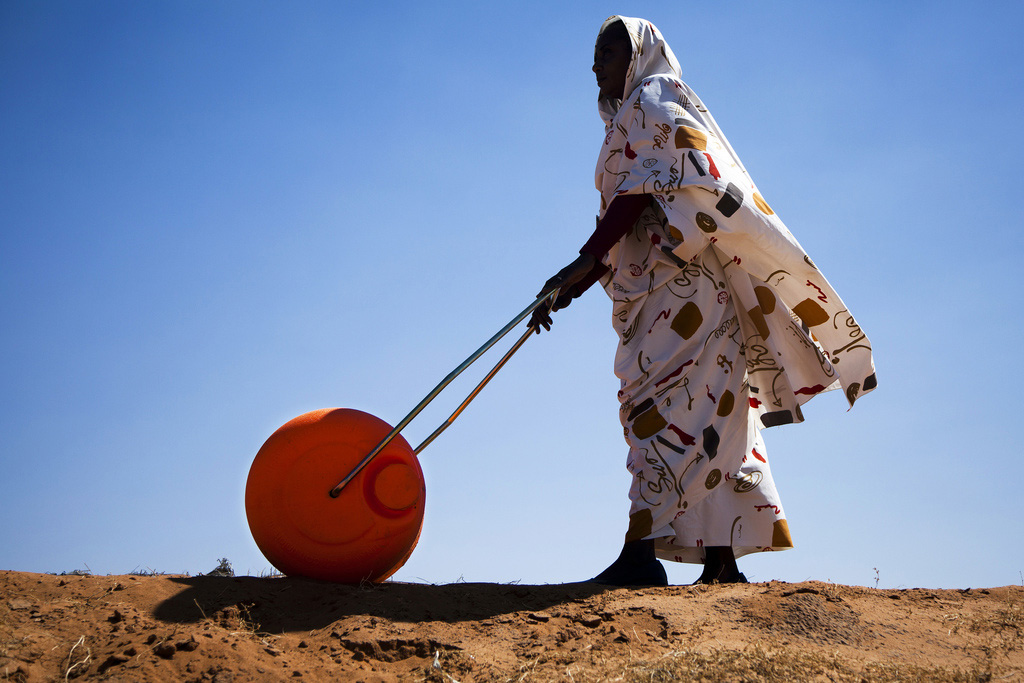
Jon Unruh on Darfur and the Importance of Flexible Institutions for Managing Migration Conflict
›When it comes to environmental change, “policies and laws can have a very productive contribution toward positive adaptation, or they can subvert that and constrain options,” says Jon Unruh, associate professor of human geography and international development at McGill University, in this week’s podcast. -
Kabul Greenbelt Project Aims to Restore Some Luster to War-Ravaged Capital – and Resilience Too
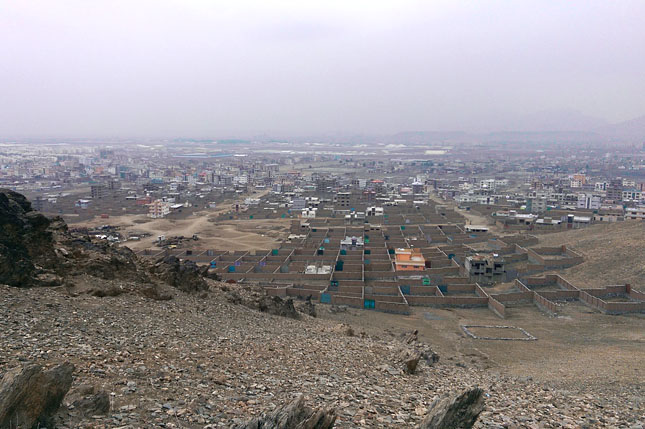
›It’s hard to imagine today, but Kabul was once ringed with grassy areas and shrubs, a few trees in areas too. Some of my husband’s favorite recollections of early 1970s Afghanistan are of simple family picnics in picturesque parks. Hours of lounging, grilling kebab, preparing rice, and conversing were a respite from the oppressive heat of the capital. Sometimes a picnic would become an all-night, extended family gathering. The Gardens of Paghman were a favorite destination with rows of pine trees, roses, and cool fountains. Pre-war family photos reveal neatly trimmed trees, bushes, and ample grassy areas for impromptu games. The family picnic is still popular among the Afghan diaspora. In the United States, Afghan community events are often held in parks, and involve large, multi-family picnics.
-
Trudeau’s White House Visit Sets Stage for U.S.-Canada Climate Cooperation
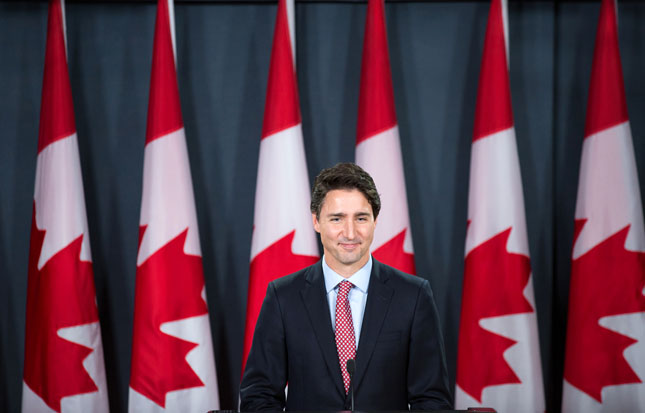
›March 10, 2016 // By Schuyler NullCanadian Prime Minister Justin Trudeau visits the White House this week and climate change is expected to be one of the highest profile topics of conversation.
-
1.3 Meters of Sea-Level Rise By 2100, and the Effects of Belo Monte’s Forced Displacement
›A study published by the Proceedings of the National Academy of Sciences projects future sea-level rise with a new model, providing crucial information for coastal planning and further impetus to cut carbon emissions. Sifting through data on thermal expansion and retreating glaciers, the two leading causes of sea-level rise in the past century, the authors confirm that sea level is rising at an unprecedented rate. -
The Environment and Energy Stories to Watch in 2016
›The climate agreement reached in Paris last December, seen by many as a critical step toward lowering greenhouse gas emissions, was big news – perhaps too big. Pointing to the thousands of articles about COP-21, National Geographic Senior Editor Marla Cone asked at a recent Wilson Center panel, “Is this a wise use of resources, when newsrooms are so stretched thin, to have everybody pretty much chasing the same stories?”
Showing posts from category climate change.
 When it comes to environmental change, “policies and laws can have a very productive contribution toward positive adaptation, or they can subvert that and constrain options,” says Jon Unruh, associate professor of human geography and international development at McGill University, in this week’s podcast.