-
Leslie Mwinnyaa: Young People Drive Integrated Development in Ghana’s Ellembelle District
›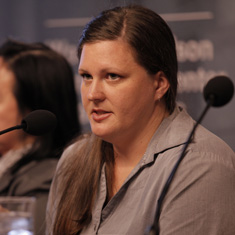
“I have been amazed and inspired by the youth that I’ve worked with, with their dedication and motivation to help their countrymen and to try to make their communities better places,” says Leslie Mwinnyaa in this week’s podcast.
When Mwinnyaa arrived in the Ellembelle district of coastal Ghana as a Peace Corps volunteer she found a multitude of development challenges. Fishermen routinely use illegal techniques like chemicals, lights, and dynamite that decimate fish stocks; “sand winning” and mangrove clearing increases erosion, leaving communities vulnerable to flooding and reducing breeding grounds for local fish; poor waste and refuse management contributes to disease and poor health; and teenage girls have twice the national rate of pregnancy.
-
Backdraft: The Conflict Potential of Climate Change Adaptation and Mitigation (ECSP Report 14)
›Amid the growing number of reports warning that climate change could threaten national security, another potentially dangerous – but counterintuitive – dimension has been largely ignored. Could efforts to reduce our carbon footprint and lower our vulnerability to climate change inadvertently exacerbate existing conflicts – or create new ones?
-
Combining Health and Food Security in Mozambique: Interview With Pathfinder International’s SCIP Project
›
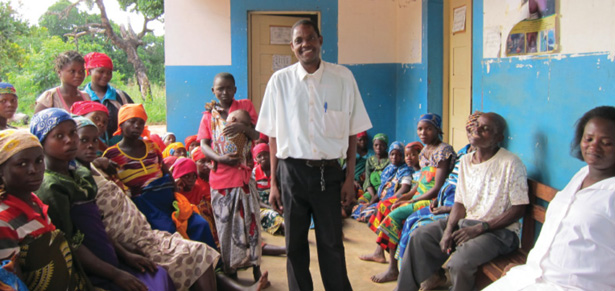
Pathfinder International’s Strengthening Communities Through Integrated Programming (SCIP) is part of a new push towards integrated development – looking at communities as a whole and addressing multiple, traditionally-siloed sectors at once. SCIP integrates both its activities and its funding to great effect in Mozambique.
-
Protecting Parks, Empowering People: Innovative Conservation and Development Projects in Mozambique and Zambia
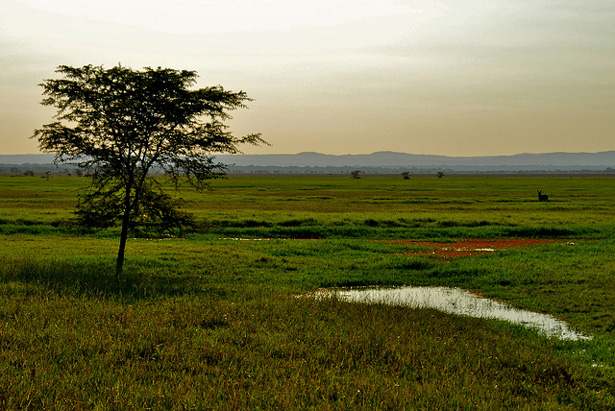
›Wildlife areas and parks are designed to preserve plant and animal life in biological hotspots, but what about the people who live nearby these hotspots? In many parts of East Africa, communities press right up against park boundaries and people have few alternatives but to draw on the natural resources of protected areas. Conservation efforts depend on these communities’ cooperation and the sustainability – both environmentally and economically – of their livelihoods. [Video Below]
-
Looking Back to Get Ahead: FEMA’s Strategic Foresight Initiative on Natural Disaster Preparedness
›Natural disasters have dominated news coverage in the past several years, with many observers noting a distressing rise in the frequency and scale of disasters as well as rising costs. Despite these worrying trends, a critical mass of leadership and public support for doing something about it is emerging.
-
From Alcohol to HIV/AIDS, Anita Raj on How Gender Inequities Affect Maternal Health in India
›“Improving the equity of women, the treatment of women and girls, the value of women and girls in society is a very important means of improving population health,” says Dr. Anita Raj of the University of California, San Diego. Traditional societal expectations of women and girls in India contribute to high early marriage rates, low birth spacing, high rates of sexually transmitted infections, and high rates of abuse. Efforts to improve maternal and child health should take these and other gender inequities into consideration. “The need to work on these issues and work on them immediately cannot be overstated,” she said. -
What Rights? New York Times’ Discussion of Egypt’s Population Policy Incomplete
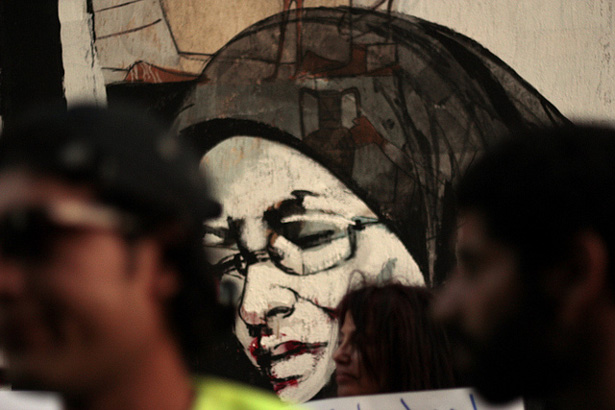
›The New York Times had a front-page story on Egypt’s population policy last week; unfortunately it wasn’t a sterling example of how to report on this tricky issue and left out a key part of the story – the important role of family planning in ensuring human rights, especially for women.
-
Top 10 Posts for April 2013
›We’re happy to have a new project director on-board here at ECSP, and apparently so are you. Roger-Mark De Souza’s welcome post was one of the most popular of last month, despite going up three-quarters of the way through. Wilson Center Scholar Jill Shankleman’s treatise on East Africa’s oil and gas returned to the top spot and was joined mostly by newcomers: the Wilson Center’s climate change and peacebuilding in Africa workshop; Wilson Center Fellow Jeff Colgan’s Petro-Aggression book launch; National Geographic’s “water grabbers” series; the continuation of our Toward Resilience series; an infographic on reproductive health and the environment; and the China Environment Forum’s brief on Yunnan’s coffee industry.
Showing posts from category *Blog Columns.

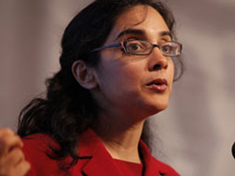 “Improving the equity of women, the treatment of women and girls, the value of women and girls in society is a very important means of improving population health,” says Dr. Anita Raj of the University of California, San Diego. Traditional societal expectations of women and girls in