-
European Parliament Passes Conflict-Minerals Bill; UN Releases Report on Money Flows in DRC
› A new report prepared by the UN Environment Program and UN peacekeeping operation in the Democratic Republic of Congo (known as MONUSCO) found that just two percent of the total value of illicit natural resources smuggled from the country comes back to armed groups. Still, these funds, which amount to around $13 million a year, allow some 25 to 49 groups to continue operating in the country’s war-torn eastern provinces. Much more, as much as 50 percent, ends up in the hands of transnational criminal networks with the remaining profits flowing to individuals or companies elsewhere in the DRC or in Uganda, Rwanda, and Burundi.
 -
“Climate Change Makes the World More Violent”: How One IPCC Author Would Rewrite His Chapter
›With thousands of scientists representing 195 countries working for more than a quarter of a century, the Intergovernmental Panel on Climate Change (IPCC) is the world’s leading authority on of assessing climate change and its potential socio-economic impacts. However, Marc Levy, an IPCC lead author and deputy director of Columbia University’s Center for International Earth Science Information Network, says he’d have gone further in connecting climate change to conflict in their latest report if it were up to him.
-
Adapting to Global Change: Climate Displacement, Mega-Disasters, and the Next Generation of Leaders
›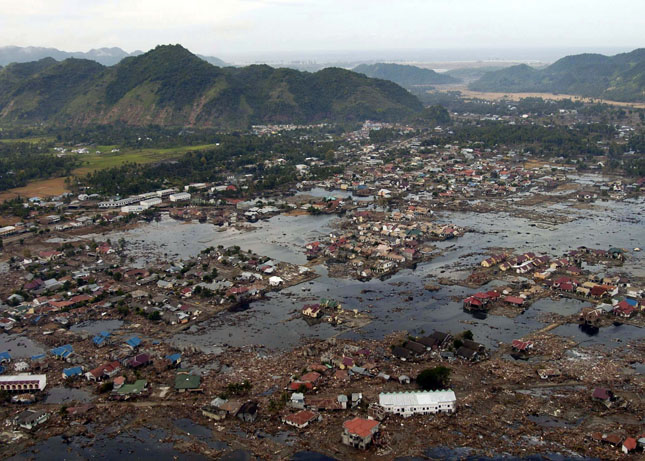
The world is more connected than ever before, but also more complex. Big, transnational trends like climate change, urbanization, and migration are changing the calculus of geopolitics, while local-level inequalities persist. “[Change] seems to be spinning around us so fast,” said John Hempelmann, president of the Henry M. Jackson Foundation, which honors the legacy of the late senator from Washington State. How can today’s and tomorrow’s leaders adjust to global trends? [Video Below]
-
Alice Thomas: Climate Change Effects and Responses Profoundly Undermine Human Rights
›After Typhoon Haiyan ripped across the Philippines in 2014 leveling nearly every building in sight, 4 million people – mostly poor and from coastal regions – were displaced. In response, the government set up “no build” zones in vulnerable areas and worked to move people to new land. But many of the newly relocated people discovered this land came with no access to water, electricity, or other services.
-
Do Population, Health, and Environment Projects Work? A Review of the Evidence
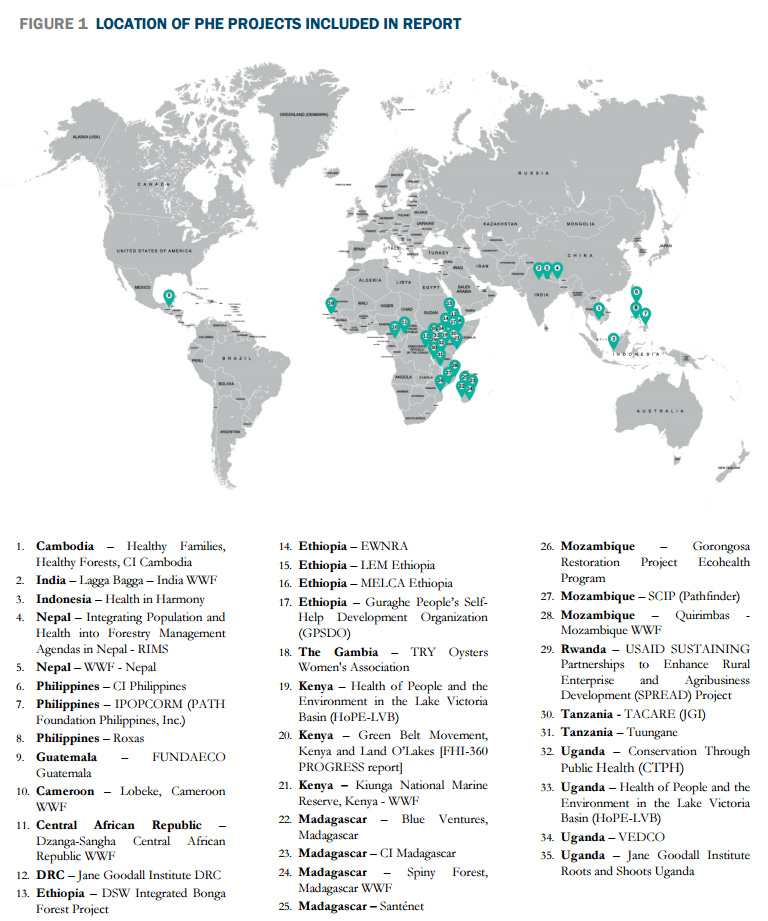
›Frequent readers of New Security Beat are no strangers to the PHE approach to development – projects, often community-based, that integrate population, health, and environmental programming in a single intervention. Practitioners suggest that such integrated programming is more effective and efficient than running simultaneous siloed projects, each focusing on a narrower objective. But does the evidence support this conclusion? How effective is the PHE approach?
-
Is Wildlife Trafficking a National Security Threat?
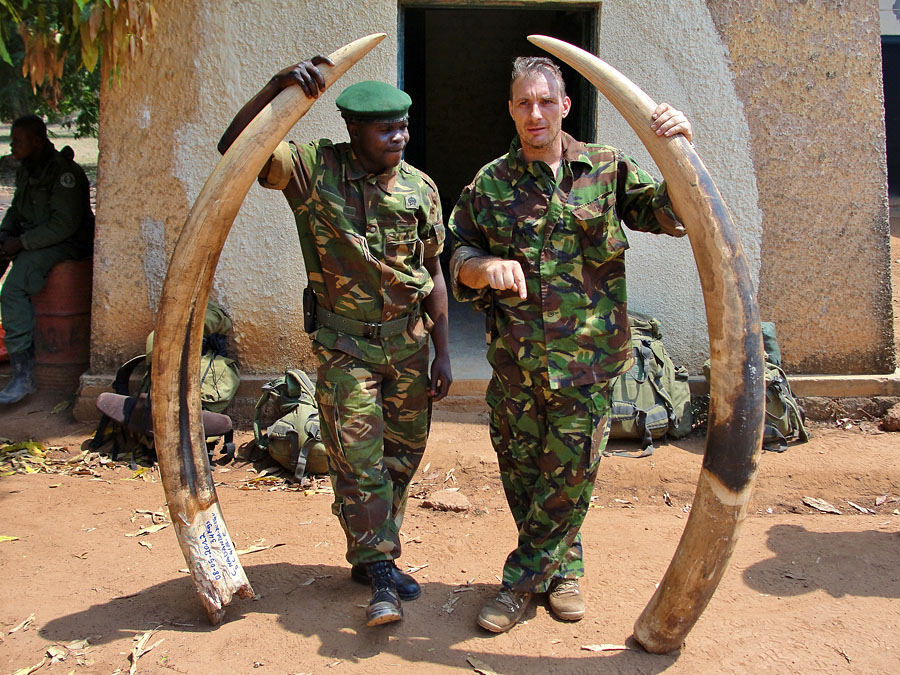
›Trafficking of illegal wildlife goods is quickly becoming one of the most lucrative illicit businesses in the world. With growing demand in Asia, an industry that was once fed by isolated, small-scale poaching incidents is now run by well-organized, transnational criminal networks, similar to narcotics and guns. The Obama administration labeled wildlife trafficking as a national priority in 2013 and released a National Strategy for Combatting Wildlife Trafficking in 2014. A detailed implementation plan for the strategy followed this year, identifying key steps and implementing agencies to help end trafficking in the United States and abroad.
-
Adaptation, Resistance, or Subversion: How Will Water Politics Be Affected by Climate Change?
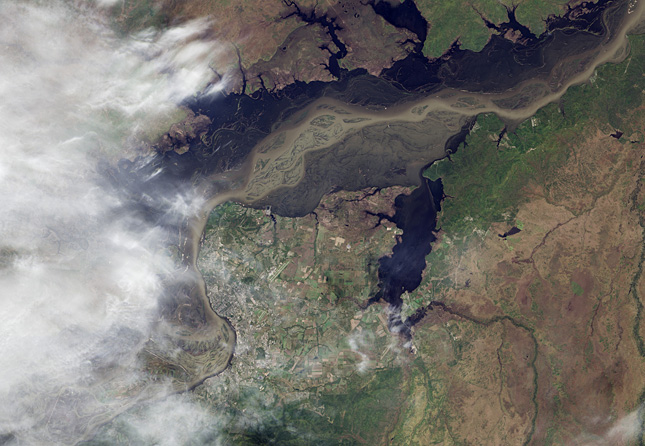
›One of the primary ways climate change is expected to affect international relations is through water. There are more than 270 bodies of water that cross over international boundaries, and various methodologies have identified several dozen that are particularly at risk for tension or conflict. So how is climate change affecting transboundary water politics? Are governments and institutions taking the threat seriously? A few years back, a group of researchers decided to focus on this question.
-
The Sahel Beyond the Headlines: Underlying Demographic, Environmental Trends Erode Resilience
›Between the Sahara to the north and savanna to the south lies the semi-arid Sahel, a region stretching from Senegal to Sudan that has experienced desperate poverty, climate change, malnutrition, and violence. While every context is different, the Sahelian countries share some common challenges, including a pattern of recurring crises and fluid borders. Boko Haram’s reign of terror in northern Nigeria and Mali’s coup have both had cross-border components. [Video Below]
Showing posts from category *Blog Columns.