-
It’s Time for Scenario Planners and Enterprise Risk Managers to Join Forces
›
Scenario planning—a powerful method for communicating and examining uncertainty—is once again in vogue as a result of the COVID-19 pandemic. Despite the growing interest in this approach, however, its use is still limited, deployed predominately by the intelligence, business, and military communities.
-
Why Securing Youth Land Rights Matter for Agriculture-Led Growth in Africa
›
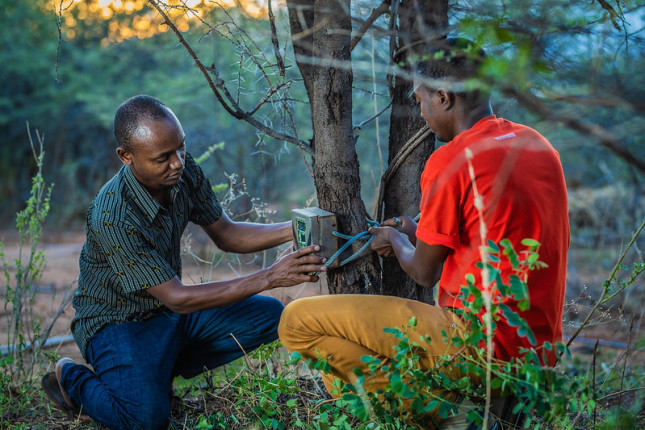
Africa’s “youth bulge” represents both an enormous challenge and a tantalizing opportunity for the continent. With over 60 percent of Africans under the age of 35, governments are under increasing pressure to grasp the “demographic dividend” youth represent to boost agricultural productivity, enhance food security, and expand economic opportunities for young men and women. Each year, about 10-12 million young Africans aged 15-24 enter the labor market, but only 3.1 million formal wage jobs are generated, pushing millions of youth into low paying and precarious informal employment.
-
Integrate Gender When Designing Climate Policy
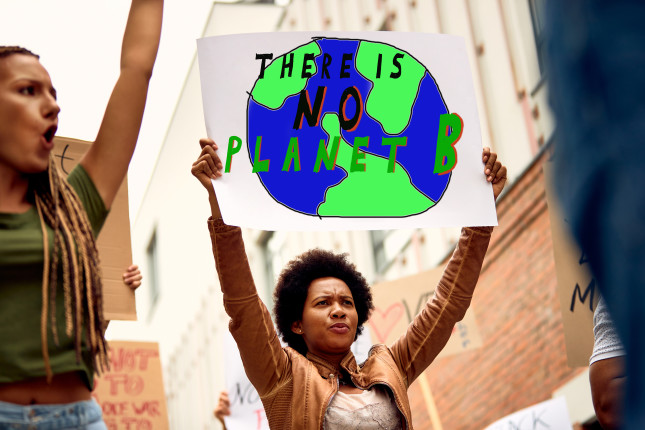
›The team of people tasked with coordinating the global climate change negotiations for the 26th UN Climate Change Conference (COP26) in 2021, we recently learned, consists entirely of men. While not surprising to many feminists in this space, this blatant disregard of gender diversity and women’s perspectives in climate policy is all too common. And it reflects broader ignorance of how gender and climate change intersect.
-
Why Secondary Cities Deserve More Attention
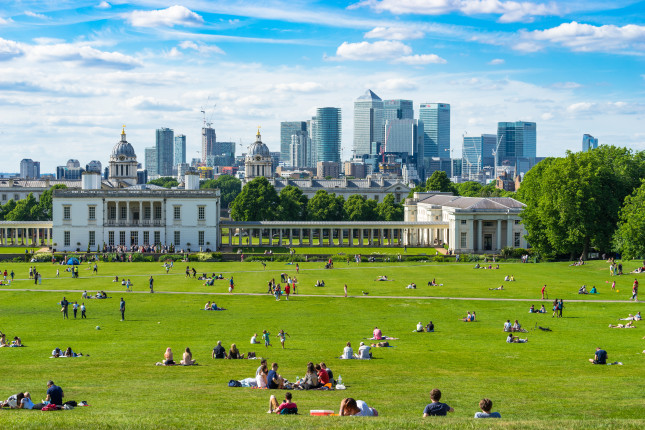
›Mention London, Rome, or New York, and people immediately conjure up Big Ben, the Colosseum, the Statue of Liberty. Beijing, Cairo, Mumbai? Check. They’ve heard of them. Megacities, the ones with lots of history, lots of people, and an oversized impact on the economy and culture, tend to be well-known.
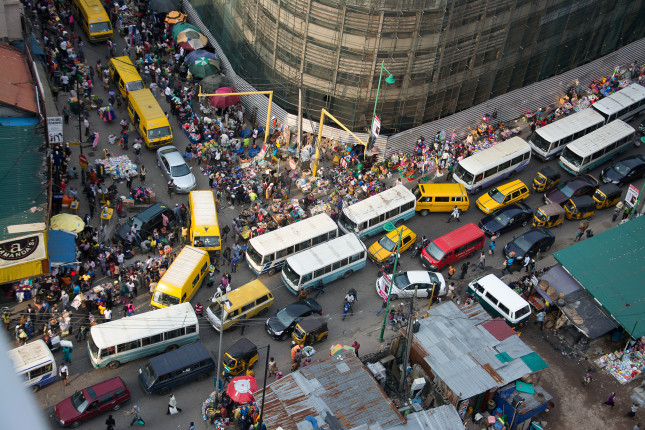
Fewer people may know much about Addis Ababa, Dhaka, Lagos, or São Paulo — yet many would recognize the names. But who knows or has been to Darkhan, Mongolia or Santa Fe, Argentina or Boké-Kamsar in Guinea?
-
Climate Migration and Cities: Preparing for the Next Mass Movement of People
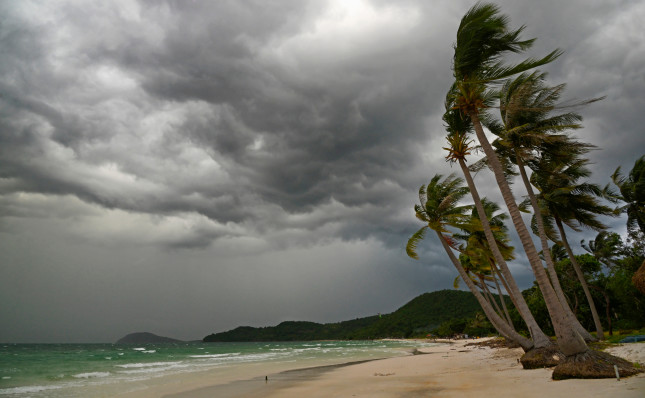
›Amid the COVID-19 pandemic, communities across the globe are experiencing unprecedented climate disasters.
According to modeling by ProPublica, the Pulitzer Center, and The New York Times Magazine, in the event that governments take “modest action to reduce climate emissions, about 680,000 climate migrants might move from Central America and Mexico to the United States by 2050.” That number leaps to above a million people in a scenario where no action is taken. The impacts of climate change on people’s decision to move are not constrained to the developing world, or even across borders. A recent study found that one in 12 Americans currently residing in the southern U.S. will move to California and the Northwest over the next 45 years because of climate influences.
-
The Environmental Collateral Damage of the South China Sea Conflict
›Tensions in the South China Sea increased last April when a Chinese coast guard ship sank a Vietnamese fishing boat near the Paracel Islands—a fiercely disputed territory in the South China Sea. Disputes over island territories in the region have endured for decades, with China, Vietnam, the Philippines, Taiwan, Indonesia, Malaysia, and Brunei all making overlapping territorial claims. The region is rich in natural resources and biodiversity, holding vast fish stocks and an estimated 11 billion barrels of oil and 190 cubic feet of natural gas.
-
Agriculture’s Achilles’ Heel: Water Insecurity Is the Greatest Threat to Sustaining Global Food Production
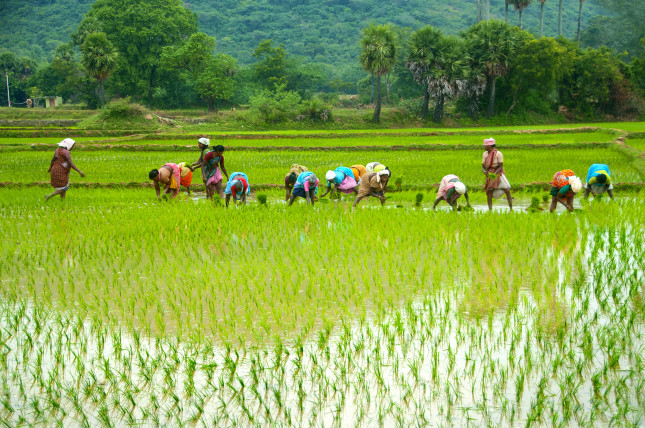
›Simply put, without water there is no food. Global food and nutritional security require resilient agricultural systems, which, in turn, depend on reliable and sustainable supplies of freshwater, whether from rainfall or irrigation. It is an often-neglected dependency, and one that threatens to undermine our ability to meet our future food needs and maintain the ecosystems upon which all life depends.
-
Equitable, Effective Climate Resilience Requires Cultural Intelligence
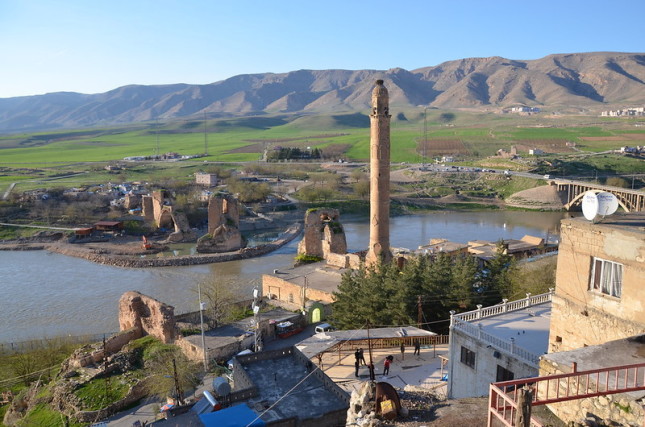
›By the end of 2020, Turkey’s long awaited Ilisu dam project will be complete. Turkey argues this new dam will bring power independence and shore up economic stability. As an added bonus, it ensures water resiliency in a water-scarce region. Meanwhile, environmentalists bemoan habitat destruction, and Iraqis worry about water shortages they will experience down river. For the Kurds, the Ilisu dam project wipes out thousands of years of culture. For them, it’s the latest in a methodical cultural extermination which has been their plight since the founding of the Republic of Turkey.
Showing posts from category Guest Contributor.