-
How We Misunderstand the Magnitude of Climate Risks – and Why That Contributes to Controversy
›
For years, analysts have disputed the extent of climate change’s role in conflict. But the nature of climate risks can stifle those looking to define them.
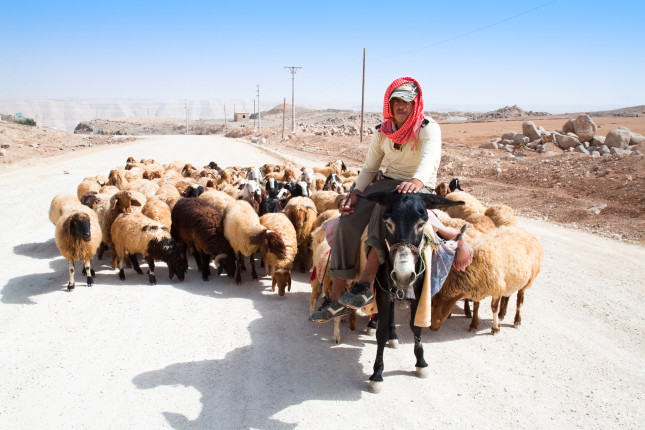
The Syrian civil war has raged for almost a decade now, and in the climate security community it can feel as if we’ve spent at least that long arguing about its causes. For every claim about the impact of extreme drought in the lead up to 2011, there’s been blowback, with some scholars arguing that the climate angle has been exaggerated at the expense of other causes of the conflict. And for every argument about rural-to-urban migration, there have been suggestions that its impact in precipitating protests has been overstated. Amid some overly forceful media assertion about the significance of climate change—and valid fears that invoking the environment might be seen as absolving guilty parties, despite efforts to highlight the regime’s ultimate culpability—climate security analysts have struggled to fully pinpoint climate’s precise contribution to the conflict. Cue uncertainty, controversy, and sometimes fierce academic polemics.
-
Michael Standaert, Ensia
How effective are China’s attempts to reduce the risk of wildlife spreading disease to humans?
›
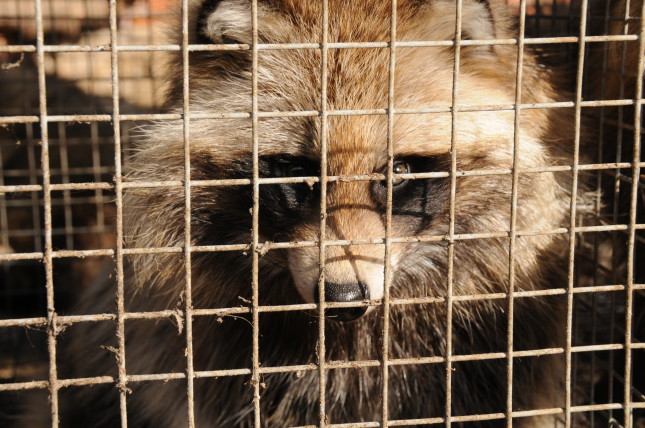
Nearly a year ago, somewhere in China, a previously unknown virus made its way from a wild animal into a human host. There it found not only a hospitable home, but also an opportunity to spread trillions of copies of itself, eventually replicating to become the global Covid-19 pandemic.
That outbreak, now having infected more than 46 million people around the world, has been the impetus for a series of actions taken by the Chinese government to — in theory — get a handle on zoonotic disease outbreaks now and in the future.
-
Who’s responsible for feeding hungry people?
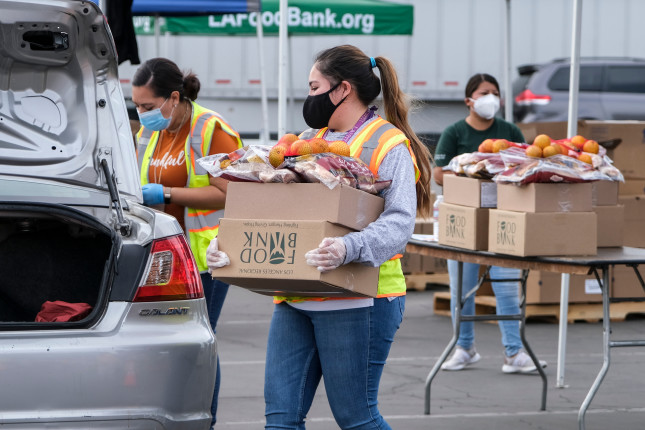
›Historically, Americans have not been entitled to adequate, nutritious food when they are hungry, at least not at the expense of federal or state governments. Public food assistance programs are and have always been limited and supplemental and not designed to cover all nutritional needs. The effects of limited government engagement with hunger have disproportionately affected women and people of color and resulted in a patchwork system of assistance where charities and privately funded food banks attempt to fill gaps left by the government’s Supplemental Nutrition Assistance Program (SNAP) program.
-
A Dangerous Taste for Plastic in the Ocean Depths
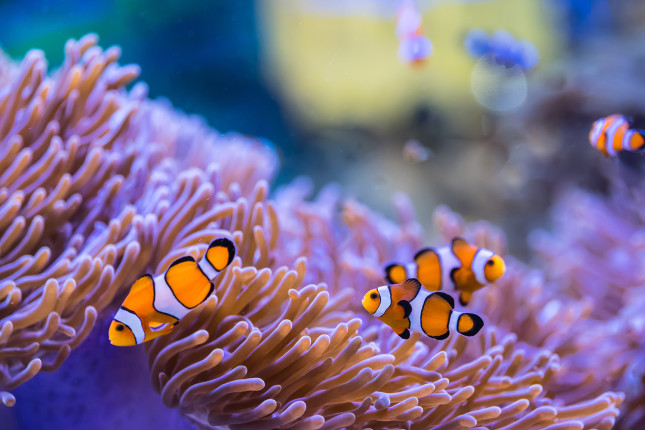
›If you watched Finding Nemo (who hasn’t?), you may remember Nemo’s home in the beautiful pink sea anemone with its tentacles waving around. These tentacles are able to sting and eat fish, crabs, and sometimes even birds. Lucky for Nemo, clownfish have a mucus coat that protects them from the sea anemone’s poisonous stings. And lucky for the sea anemone, clownfish protect them from being consumed by other fish and provide them nutrients through their food and fecal droppings. Nemo and his fellow clownfish, however, can’t shield these sedentary sea animals from nearly invisible plastic microfibers or plastic preproduction pellets, called nurdles. At Duke University I have been studying one specific species of sea anemone, Aiptasia pallida, which seems to find plastic particularly tasty. My work is part of a larger wave of scientific research around the world looking into how and why sea animals are eating microplastics and how it may impact their health. -
Climate War in the Sahel? Pastoral Insecurity in West Africa Is Not What It Seems
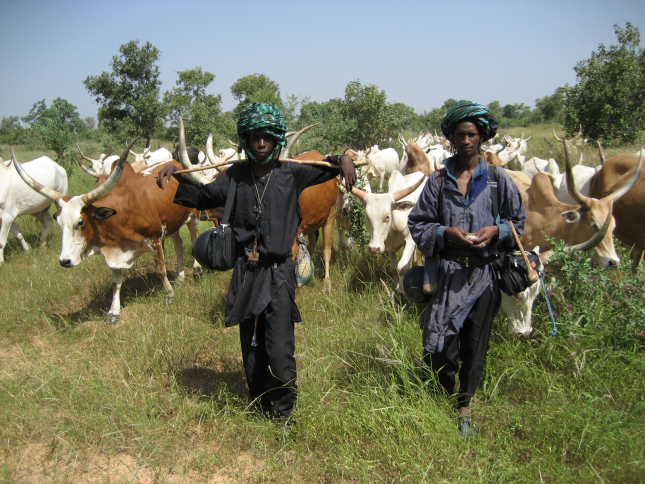
›As violence in Mali and Burkina Faso reached a ten-year high this year, the West African Sahel appears to be experiencing the perfect storm of climate stress, resource degradation, and violent extremism. At the center of that storm, one finds livestock herders—pastoralists—who are both vulnerable to environmental changes in the region, and historically marginalized from politics. Conflict in the region looks like a harbinger of the climate wars to come—but is it really? In research produced for Search for Common Ground, Andrew McDonnell and I found that while competition for land and water resources has increased dramatically across the region, violence associated with pastoralism emerges from a much more complex set of factors. Not surprisingly, the decisive conflict variable is governance.
-
Reducing the Risk of Pandemic Disease Threats Through Multisectoral Action
›“No single individual, discipline, sector or ministry can preempt and solve complex health problems.”
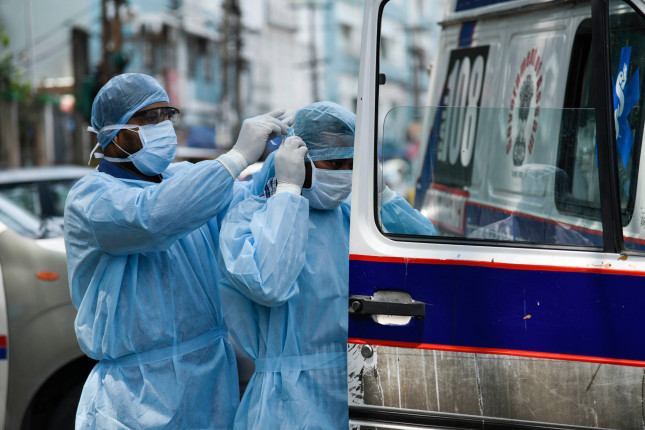
The COVID-19 pandemic underscores the importance of multisectoral action to contain and mitigate the effects of the virus. Presently, during crisis conditions or “war time,” in the language of outbreak experts, multisectoral efforts—including actions traversing health, education, labor, finance and other sectors—are readily apparent. But when policymakers perceive crises have passed, during so-called “peacetime,” governance structures that enable multisectoral collaboration tend to diminish or languish.
-
A Tale of Two Transitions: Education, Urbanization, and the U.S. Presidential Election
›Rather than delve into issue opinion polling, or assess presidential campaign strategies, political demographers assume that political change is the predictable product of a set of mutually reinforcing social, economic, and demographic transitions, which can be tracked using data. But is this true in a country like the United States that has been in the advanced stages of these development transitions for decades? If these transitions are as important as demographers believe, could their variation among the 50 states explain the outcome of the recent U.S. presidential election? If so, what could they tell us about America’s electoral future?
-
U.S., Mexico Sign Rio Grande Water Agreement
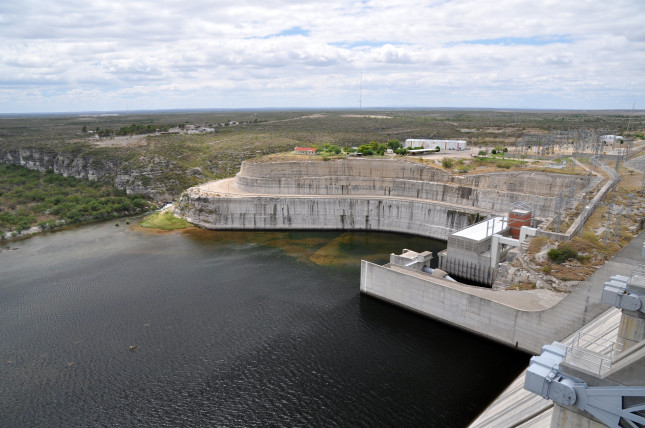
›U.S. and Mexican officials settled a water dispute that had been simmering for several months and led to protests by Mexican farmers concerned about water access.
Showing posts from category Guest Contributor.
 If you watched Finding Nemo (who hasn’t?), you may remember Nemo’s home in the beautiful pink sea anemone with its tentacles waving around. These tentacles are able to sting and eat fish, crabs, and