-
Integrated Development Programs Work to Expand Conservation and Health Efforts in Uganda and Madagascar
›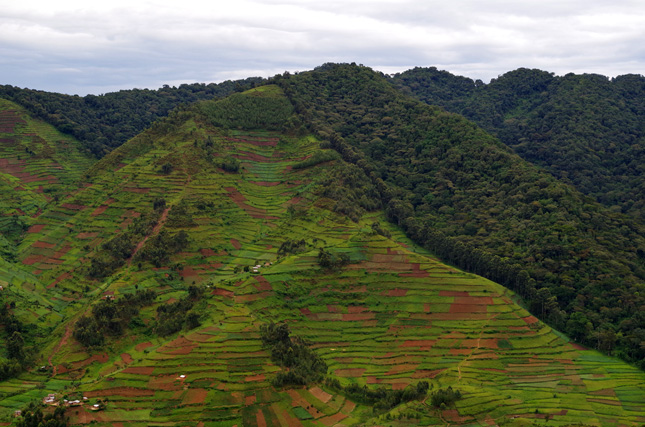
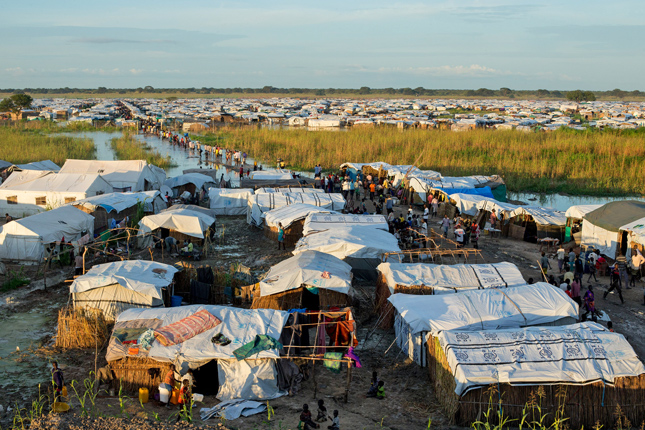
As is becoming clear, climate change, environmental degradation, population, and poverty alleviation are inextricably linked in many parts of the world. [Video Below]
-
A Reset for International Development? UN Debates What to Include in Sustainable Development Goals
›
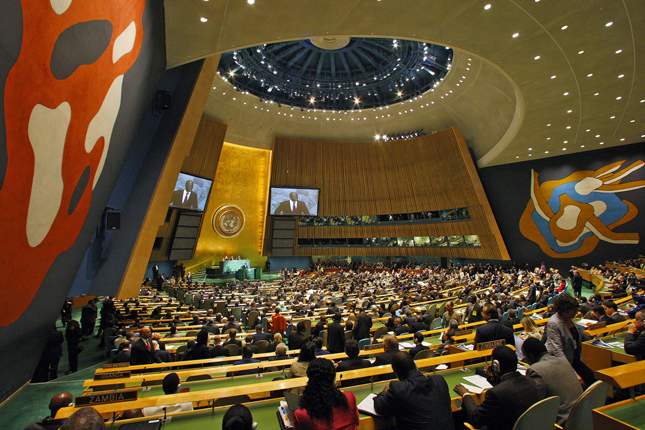
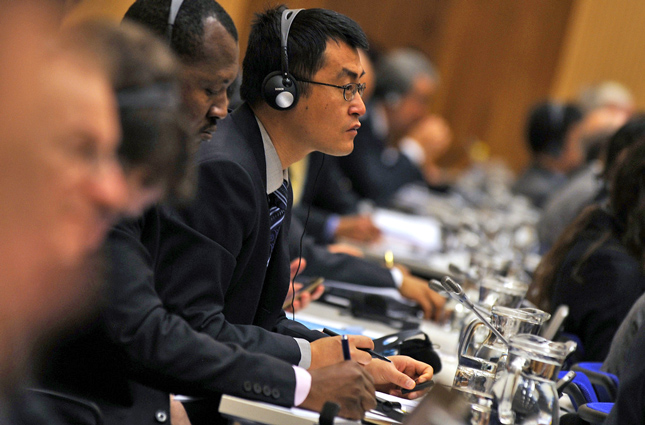
The 69th UN General Assembly was “an absolutely extraordinary opportunity” to rethink global development, said Genevieve Maricle, a senior policy advisor to the U.S. Ambassador to the UN Social and Economic Council (ECOSOC) who participated in the summit. [Video Below]
-
What’s Next? Two Decades Tracking the Environment-Security-Population Nexus
›Global crises like the Ebola outbreak force us to consider what “security” really means, said Sharon Burke, senior advisor for the New America Foundation. “Is security getting our kids to school and food on the table…or are you talking about military security and defense threats that require a weapon to counter?”
-
Innovative Technology and Trainings Empower New Generation of Midwives
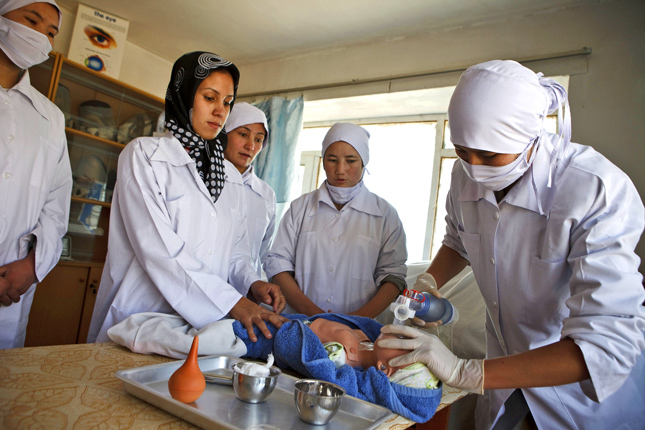
›Imagine you are a physician working in a rural health center in a developing country. You’re helping a woman deliver her baby, and it’s just arrived but is not breathing. Meanwhile, the mother has started to hemorrhage. You’re the only one working in the clinic that day, and many life-saving treatments need to start within one minute. You have 60 seconds to make decisions that could cost the lives of two people. [Video Below]
-
What’s Youth Got to Do With It? Investing in Youth Sexual and Reproductive Health a Development Bargain
›“Half of the world’s population is under 30 – any development agenda would have to address their needs, including their health needs, as part of accomplishing development goals,” said Jennifer Adams, deputy assistant administrator at USAID’s Bureau for Global Health, at the Wilson Center on September 24. [Video Below]
-
Climate Change a National Security Issue, Say Local and National Leaders From Pacific Northwest
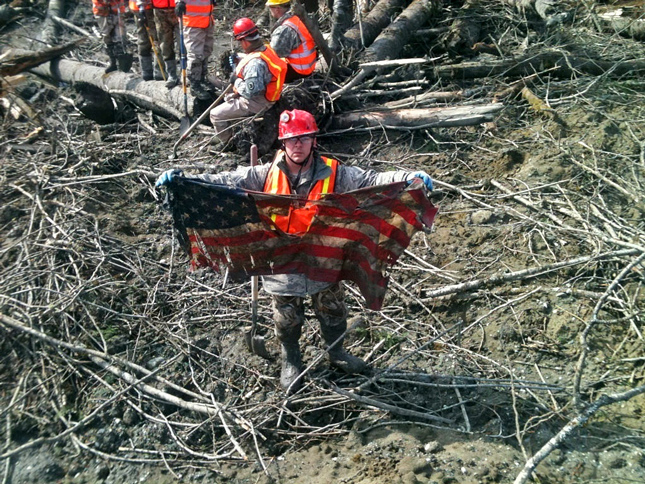
›The effects of climate change “are here now” and pose a “serious challenge” for the United States, said Alice Hill, White House senior advisor for preparedness and resilience, at the Wilson Center on July 29. [Video Below]
-
Underage: Addressing Reproductive Health and HIV Needs in Married Adolescent Girls
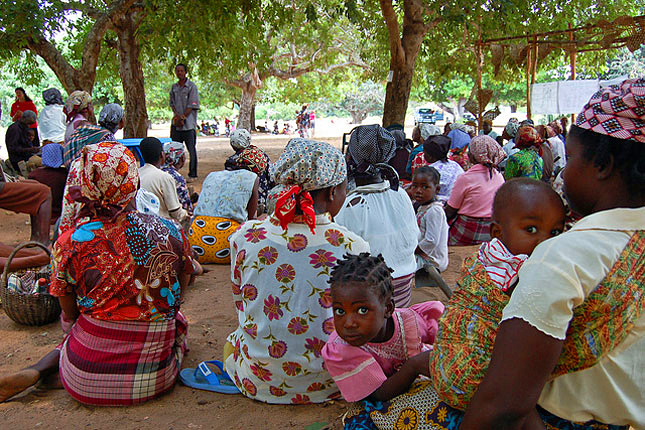
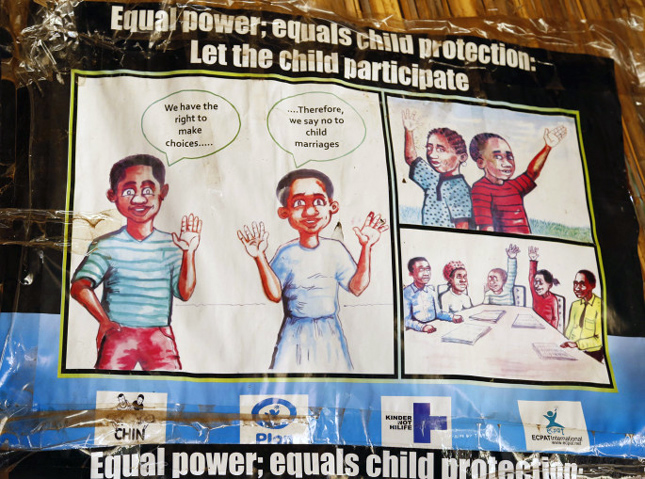
›In July, thousands of people attended the 20th International AIDS Conference and the 2014 Girls Summit to work towards an AIDS-free generation and ending child and forced marriage. But such attention is rare; by and large, these girls are invisible to development efforts. [Video Below]
-
Silver Buckshot: Alternative Pathways Towards Greenhouse Gas Mitigation
›In 1986, global nuclear weapons stockpiles peaked at nearly 70,000 warheads. By the beginning of 2013, there were just over 17,000, with only 4,400 kept operational. This dramatic reduction was the fruit of a negotiation process that began in the late 1940s. In spite of incredible tensions between the United States and the Soviet Union, negotiators were able to make progress once they focused on building trust with small, pragmatic steps, rather than starting with the complete elimination of all weapons. [Video Below]
Showing posts from category From the Wilson Center.