-
Igniting a Reuse Revolution in China’s War Against Plastic Waste
›
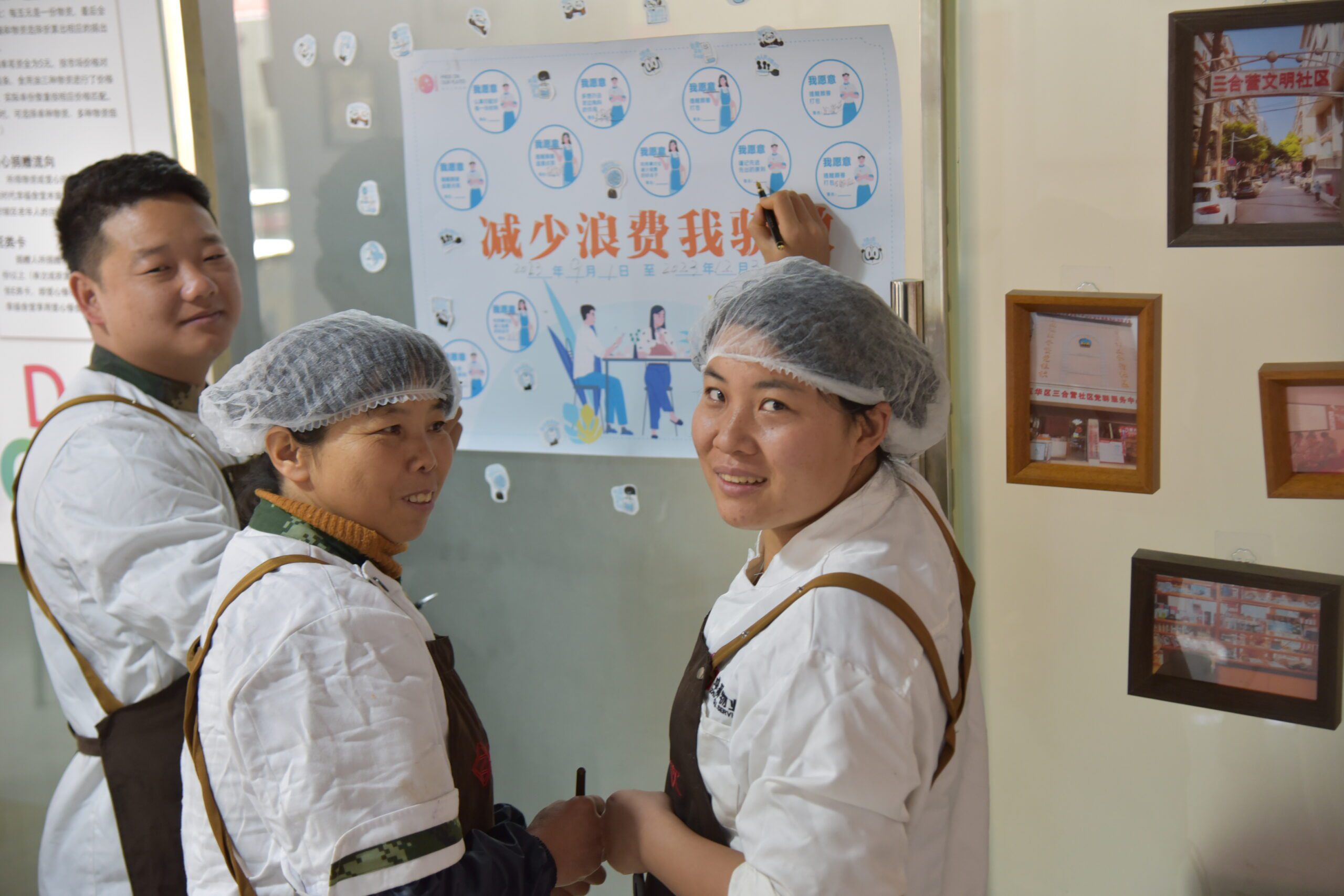
Food takeaway has become a symbol of urban lifestyle convenience in China, but the resulting single-use plastic (SUP) waste has become a costly environmental and economic burden. In 2020, urbanites ordering on food delivery apps generated 37 billion SUP containers and a small fraction was recycled. According to a report by Pacific Environment, 88.5% of SUP waste in China is landfilled, incinerated, or leaked to the environment. Food and beverage packaging is the number one contributor to China’s SUPs.
-
Food Waste: A Low-Hanging Fruit for Methane Reductions
›China Environment Forum // Cool Agriculture // February 8, 2024 // By Jennifer Nguyen, Jennifer Turner & Karen Mancl
This blog is modified from the Wilson Center-OSU “Cultivating US and Chinese Climate Leadership on Food and Agriculture Roadmap” publication.
“Waste is something that most of us just don’t see,” stressed Pete Pearson, Senior Director, Food Loss and Waste, WWF, at a recent Wilson Center event. Though people are “conditioned” to be blind to food waste, continued Pearson, this not-so-invisible problem wastes a third of food grown around the world. When this wasted food decomposes, it emits methane, accounting for 8 to 10% of global greenhouse gas (GHG) emissions.
-
Climate Action on the Farm: Catalyzing a No-till Revolution in the US and China
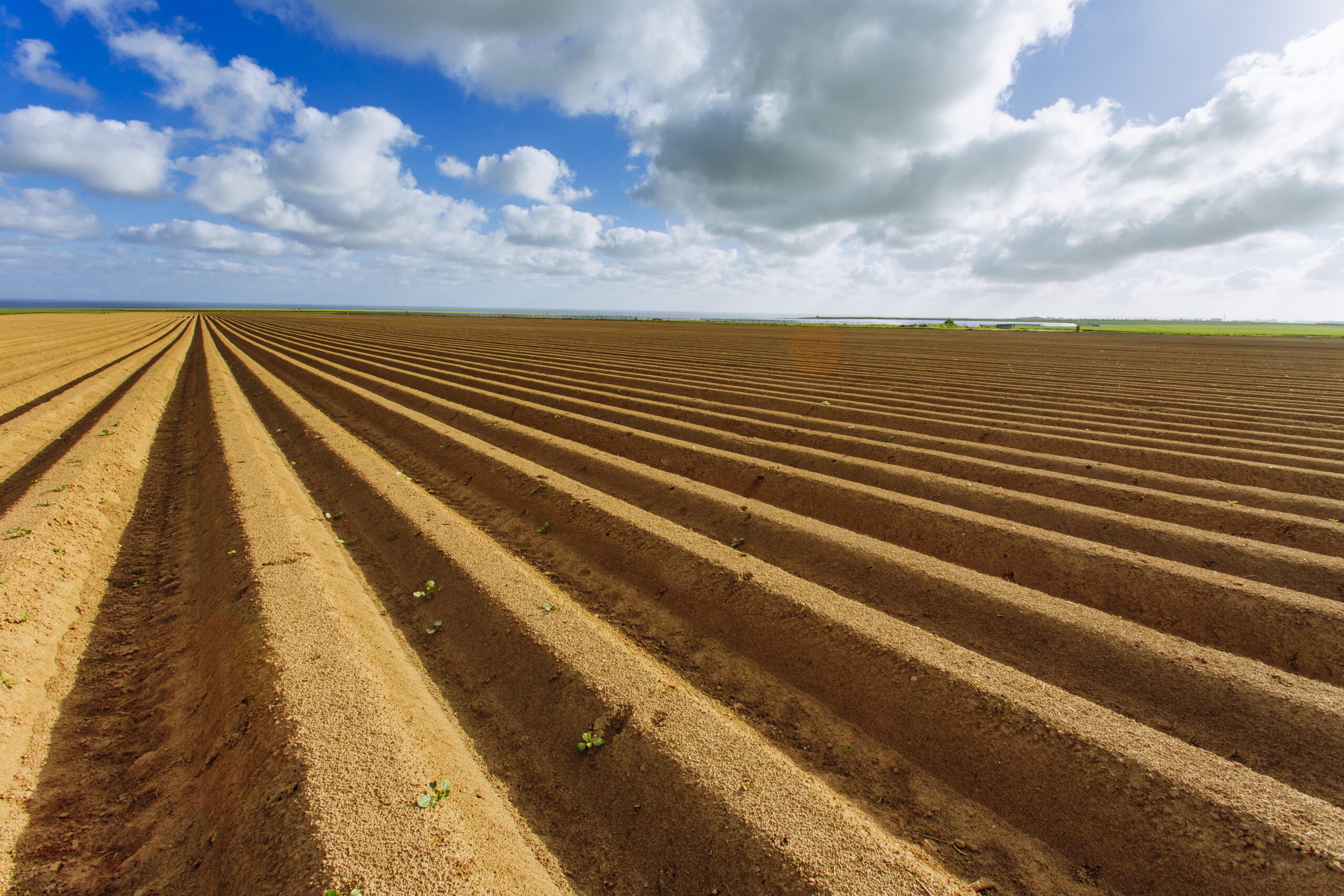
›China Environment Forum // Cool Agriculture // Guest Contributor // February 1, 2024 // By Abigail OrdillasFor centuries, farmers around the globe have tilled the soil to prepare for planting. Traditional tilling, however, exposes the bare earth to wind and water, causing erosion and the loss of soil organic carbon, as well as lowering soil quality and crop yields. In the US Corn Belt tilling has degraded approximately 35% of the land– about the size of Montana. In China, erosion from traditional tilling has degraded over 50% of agricultural soils. In the two countries soil erosion and loss of soil fertility is creating annual economic losses of $1.9 billion and $3.7 billion, respectively. Nevertheless, farmers are often hesitant to switch to no-till practices.
-
China’s EV Power Grid-lock: A Coin Toss for Decarbonization?
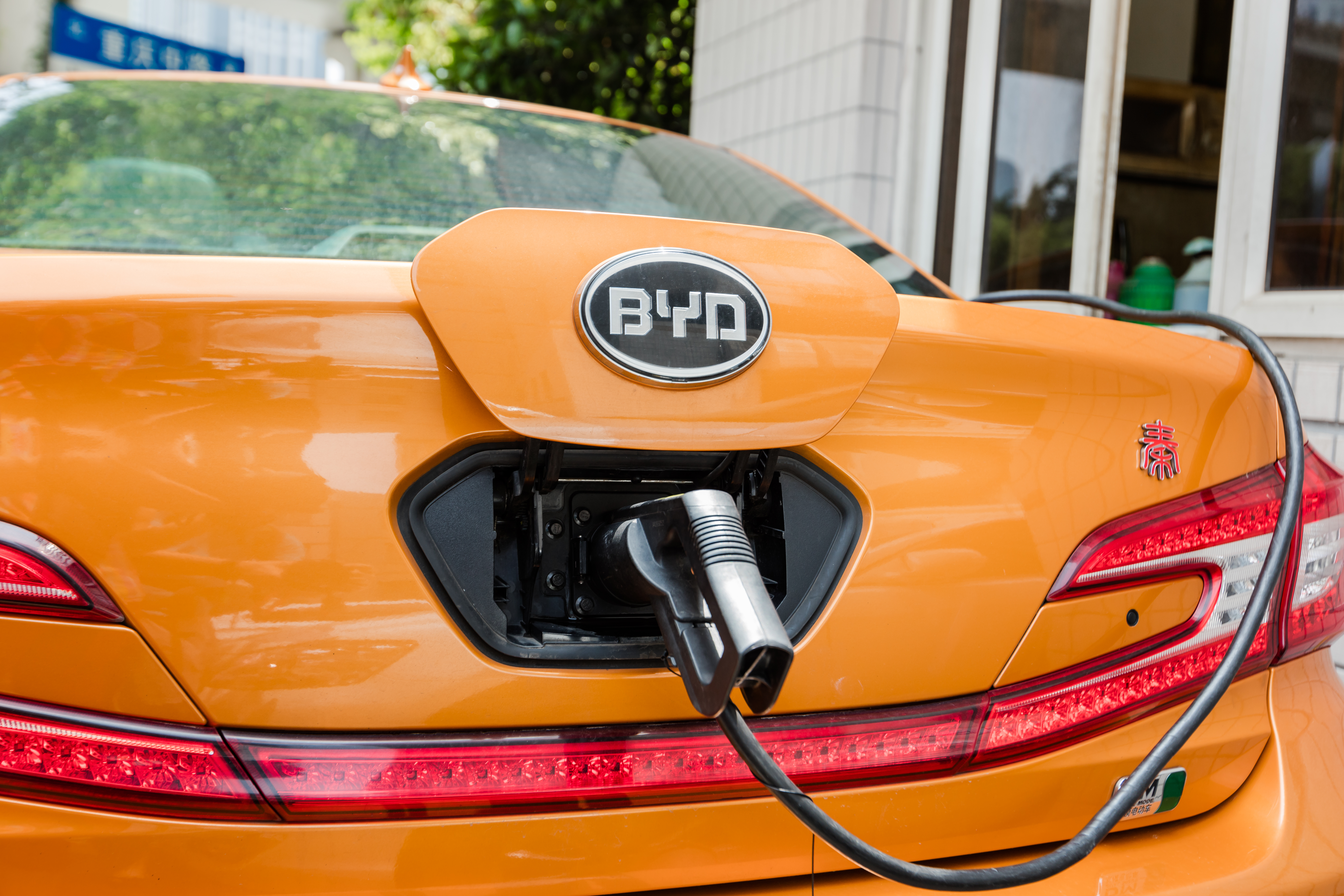
›Usually, Ms. Li charges her BYD electric car at a TELD station during her half-hour lunch break. However, today was different – it took an extra ten minutes to complete the charging, providing her time to enjoy a cup of coffee. This slight delay was due to her participation in a Shanghai demand response pilot designed to encourage consumers to adjust electricity usage according to electricity grid conditions. Like a coin toss, this pilot could be a big win for protecting the grid and accelerating low-carbon transport in China, but many infrastructure obstacles could derail this decarbonization.
-
A Commune in Rural Iowa Inspires Reform in China’s Countryside
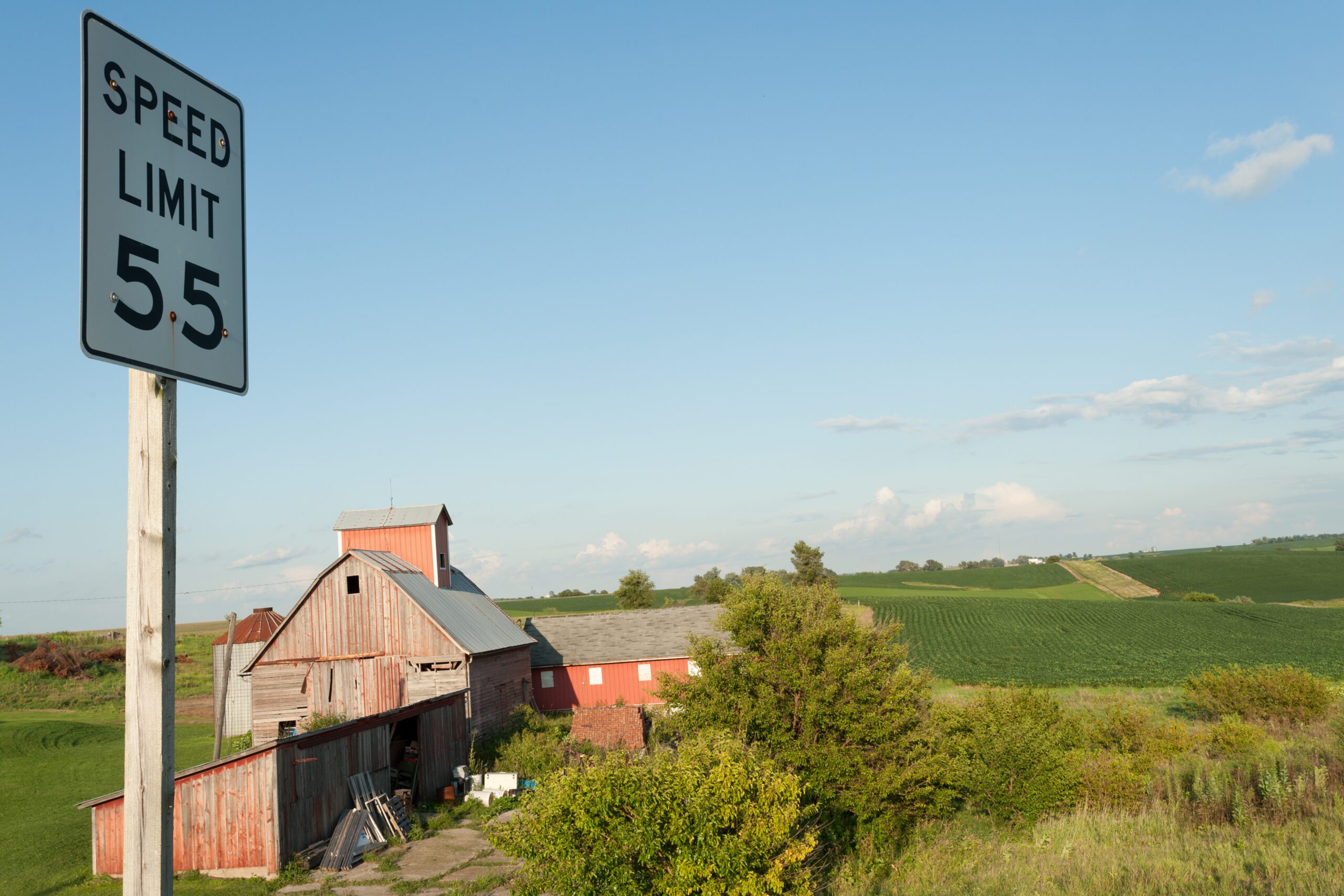
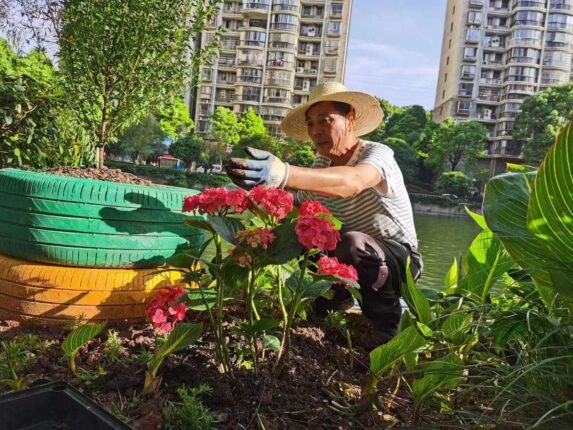
›China Environment Forum // Cool Agriculture // Guest Contributor // January 18, 2024 // By Karen ManclA quiet agricultural community in east, central Iowa is a surprising place to learn about the evolution of communes in the United States. While a graduate student at Iowa State University, I first visited the Amana Colonies in 1979. The brick homes, the woolen mill, and the community kitchens were first built in 1855 by a group of German immigrants, forming the now oldest commune in the country.
-
Is the Chinese Market Hungry for Carbon-Neutral Beef?
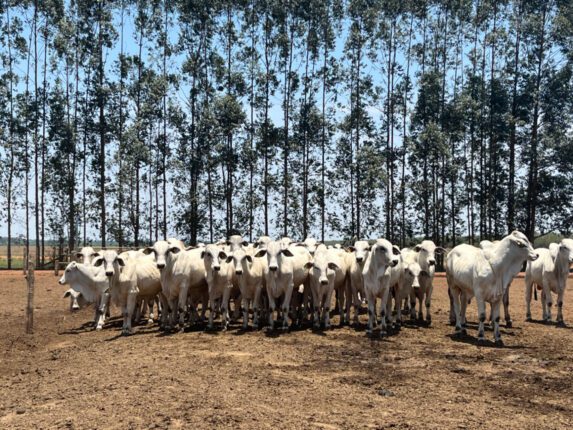
›Days before Brazilian President da Silva Feb visited China in late March 2023, China resumed its beef imports from Brazil after a temporary ban due to an earlier discovery of Mad Cow Disease. Brazil quickly bounced back as the top exporter of beef to China, a country hungry for it. With the continuous growth of China’s economy, population, urbanization, and increasing income levels, there has been an increased demand for high-protein foods. Among these, beef has become a highly sought-after delicacy. Since 2012, China has transitioned from a net exporter to a net importer of beef, primarily relying on countries like Brazil.
-
“Radioactive Fish” and Geopolitics: Economic Coercion and China-Japan Relations
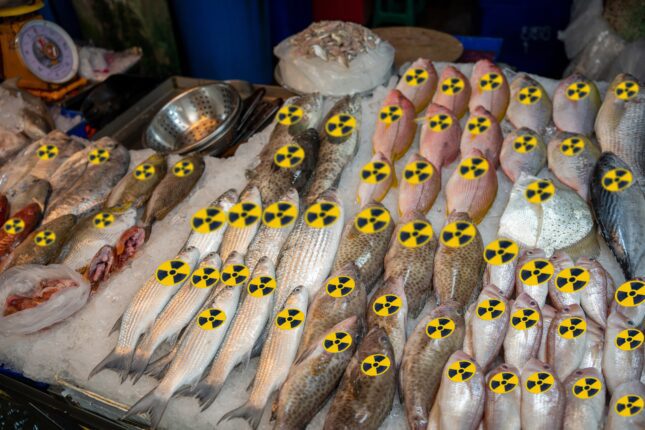
›On the same day Japan began wastewater releases from the Fukushima nuclear power plant in late August 2023, the website of China’s customs agency announced the country would “completely suspend the import of aquatic products originating from Japan.”
-
Bottom-Up Food Waste and Climate Solution in China
›China Environment Forum // Cool Agriculture // Guest Contributor // waste // December 21, 2023 // By Xuehua ZhangChina is the world’s largest emitter of methane, a short-lived climate pollutant that traps 80 times more heat than carbon. Coal mining, agriculture, and food waste are China’s three biggest methane emitters. Among them, food waste holds the most promise for near-term climate action.
Showing posts from category China Environment Forum.