• woodrow wilson center
  • ecsp

New Security Beat

Subscribe:
  • rss
  • mail-to
  • Who We Are
  • Topics
    • Population
    • Environment
    • Security
    • Health
    • Development
  • Columns
    • China Environment Forum
    • Choke Point
    • Dot-Mom
    • Friday Podcasts
    • Navigating the Poles
    • Reading Radar
  • Multimedia
    • Water Stories (Podcast Series)
    • Backdraft (Podcast Series)
    • Tracking the Energy Titans (Interactive)
  • Films
    • Water, Conflict, and Peacebuilding (Animated Short)
    • Paving the Way (Ethiopia)
    • Broken Landscape (India)
    • Scaling the Mountain (Nepal)
    • Healthy People, Healthy Environment (Tanzania)
  • Publications
  • Events
  • Contact Us

NewSecurityBeat

The blog of the Wilson Center's Environmental Change and Security Program
Showing posts from category biodiversity.
  • Building Sustainable Cities in a Warmer, More Crowded World

    ›
    January 3, 2013  //  By Laurie Mazur

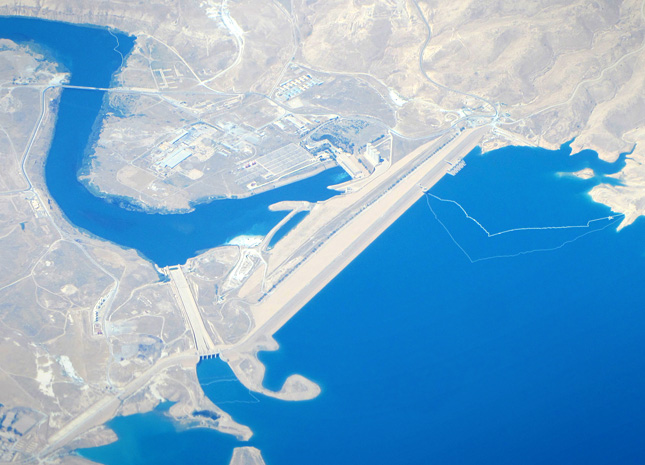
    The future is urban – but is it sustainable?

    For decades – centuries, really – warnings have been issued: The burgeoning human population will outgrow the planet’s capacity to sustain us. The formula seems simple. More people equals fewer resources and greater environmental damage.

    MORE
  • Autumn Spanne, The Daily Climate

    Colombia’s Unexplored Cloud Forests Besieged by Climate Change, Development

    ›
    December 13, 2012  //  By Wilson Center Staff

    The original version of this article, by Autumn Spanne, appeared on The Daily Climate.

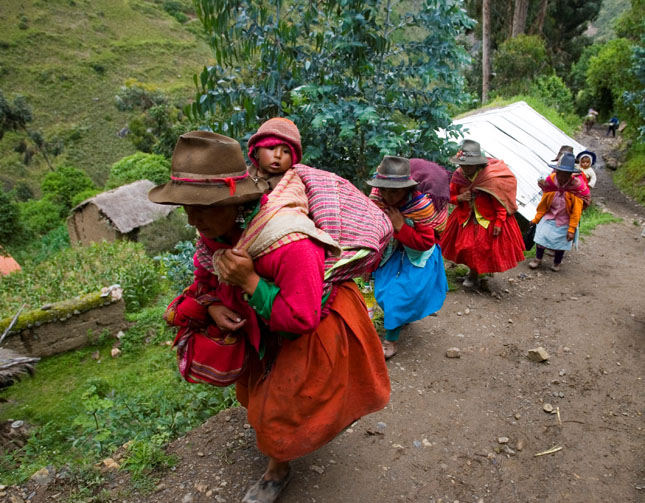
    Five hours by truck and mule from the nearest town, a rumbling generator cuts through the silent night to power large spotlights as botanists crouch and kneel on large blue tarps spread across a cow pasture. It’s nearly midnight, and the team works urgently to describe every detail of the dozens of colorful orchids, ferns, and other exotic plants they have collected that day in Las Orquídeas National Park, one of the single most biologically diverse places on the planet.

    MORE
  • Linking the Environment and Women’s Health at the World Conservation Congress

    ›
    November 30, 2012  //  By Payal Chandiramani

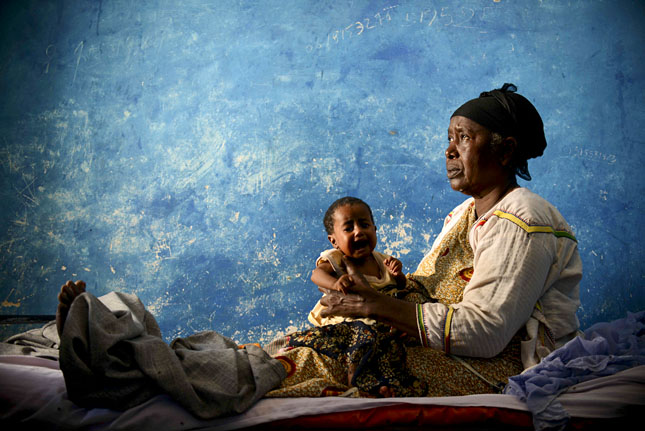
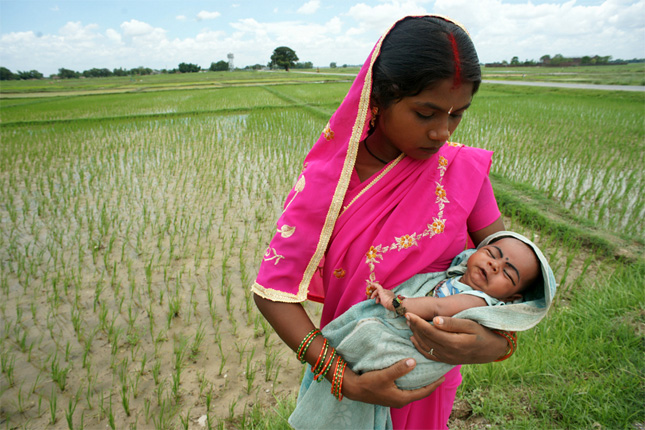
    People don’t often think of gender issues when they think of the environment, but in fact sustainable development in many of the world’s most bio-diverse regions has a lot to do with women’s health and well-being.

    At this year’s World Conservation Congress, where the theme was improving the inherent resilience of nature, ECSP’s Sandeep Bathala presented alongside Blue Ventures’ Gildas Andriamalala about the connections between women’s health and the environment – specifically on the potential of population, health, and environment (PHE) approaches as an effective sustainable development strategy.

    MORE
  • Does Climate Change Kill Five Million People A Year? DARA’s 2012 Climate Vulnerability Monitor

    ›
    November 27, 2012  //  By Carolyn Lamere & Schuyler Null

    Five million people die each year due to climate- or carbon-related causes, and total mortality by 2030 could total 100 million people, according to new report from DARA, a nonprofit organization that works to improve aid to those affected by conflict and climate change and quantify the global cost of climate change and carbon use. But the report has drawn some fire for being too alarmist.

    MORE
  • Liang Jialin and Jiang Han, ChinaDialogue

    Overfishing Pushes 80 Percent of Chinese Fishermen Towards Bankruptcy

    ›
    November 9, 2012  //  By Wilson Center Staff

    The original version of this article, by Liang Jialin and Jiang Han, appeared in English on ChinaDialogue and in Chinese on Economic Information Daily.

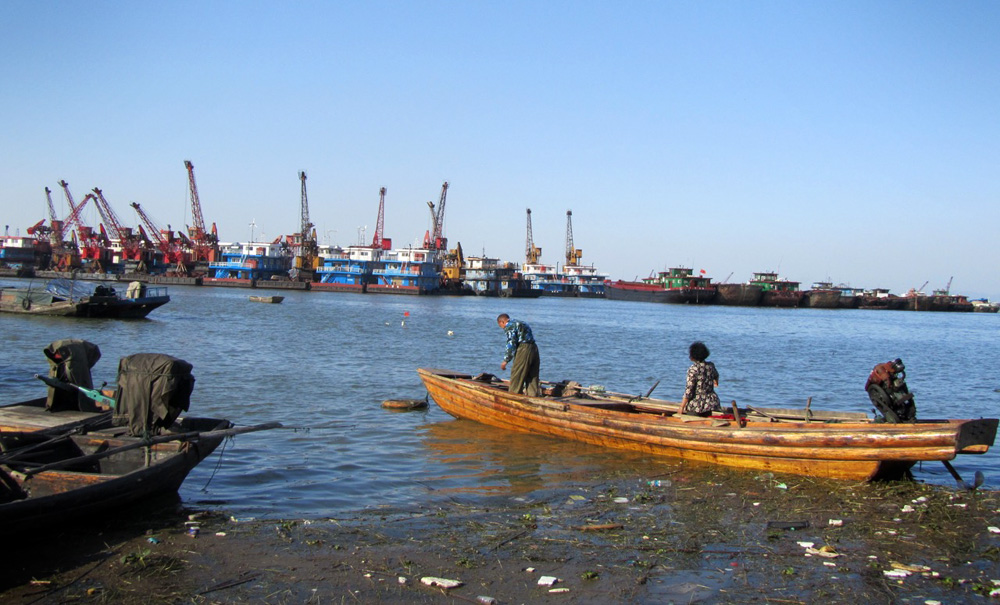
    In mid-September, the fishing season got under way as usual in Ningbo, on China’s east coast, after the three-month season when fishing is forbidden. Over 2,000 steel-hulled boats headed out to sea. But, on board, there was little cause for optimism.

    MORE
  • Linking Biodiversity and WASH Efforts in Africa

    ›
    From the Wilson Center  //  November 2, 2012  //  By Carolyn Lamere

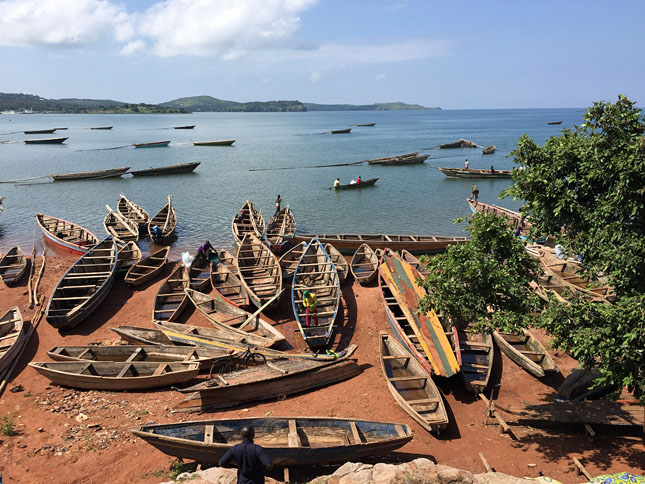
    Sub-Saharan Africa is a key region both for conservationists and those working for improved public health. Nine of the world’s 34 biodiversity hotspots are in sub-Saharan Africa, as are two of the five most important wilderness areas. This hotbed of biodiversity is also home to many of the world’s most rapidly growing populations and swelling urbanization, which is putting increased pressure on natural resources.

    MORE
  • Education as a Conservation Strategy – Really?

    ›
    Beat on the Ground  //  Guest Contributor  //  October 31, 2012  //  By Tim Tear & Craig Leisher

    The original version of this article appeared in The Nature Conservancy’s October issue of their Science Chronicles newsletter.

    It seems like everywhere you turn recently, you hear how the planet’s population is headed to 10 billion. And obvious questions follow: How can we balance far more people with the natural resources needed for their survival? How will we get more food? How will we get more energy?

    MORE
  • Population and Environment in Saadani National Park, and Repositioning Family Planning in Sub-Saharan Africa

    ›
    Reading Radar  //  October 23, 2012  //  By Payal Chandiramani

    Tanzania’s Saadani National Park is a hotbed of biodiversity and, like other national parks in the region, it’s surrounded by human activity. A report by the BALANCED Project, “Population, Health, Environment Situational Analysis for the Saadani National Park Area, Tanzania,” provides a snapshot of the population, health, and environment situation inside the park to serve as a baseline for future activities of the Tanzania Coastal Management Partnership (TCMP) – a joint initiative of the government of Tanzania, USAID, and the University of Rhode Island’s Coastal Resources Center. A behavioral monitoring system implemented in June 2009 used surveys that reached a total of 437 respondents (54 percent women) from eight villages to analyze the “behaviors that positively and negatively influence the utilization and condition of natural resources.”  The surveys found that arable land is scarce, fisheries are being depleted, and people have inadequate access to healthcare, water, sanitation, fuel, and family planning resources. The results suggest a strong case for expanding TCMP’s existing integrated approach – combining HIV/AIDS, conservation, and livelihoods goals – to include promotion of positive behavior changes, particularly as they relate to family planning and the effects of population growth on biodiversity loss and resource depletion.

    MORE
Newer Posts   Older Posts
View full site

Join the Conversation

  • RSS
  • subscribe
  • facebook
  • G+
  • twitter
  • iTunes
  • podomatic
  • youtube
Tweets by NewSecurityBeat

Trending Stories

  • unfccclogo1
  • Pop at COP: Population and Family Planning at the UN Climate Negotiations

Featured Media

Backdraft Podcast

play Backdraft
Podcasts

More »

What You're Saying

  • Volunteers,At,The,Lagos,Food,Bank,Initiative,Outreach,To,Ikotun, Pan-African Response to COVID-19: New Forms of Environmental Peacebuilding Emerge
    Rashida Salifu: Great piece 👍🏾 Africa as a continent has suffered this unfortunate pandemic.But it has also...
  • A desert road near Kuqa An Unholy Trinity: Xinjiang’s Unhealthy Relationship With Coal, Water, and the Quest for Development
    Ismail: It is more historically accurate to refer to Xinjiang as East Turkistan.
  • shutterstock_1779654803 Leverage COVID-19 Data Collection Networks for Environmental Peacebuilding
    Carsten Pran: Thanks for reading! It will be interesting to see how society adapts to droves of new information in...

What We’re Reading

  • Rising rates of food instability in Latin America threaten women and Venezuelan migrants
  • Treetop sensors help Indonesia eavesdrop on forests to cut logging
  • 'Seat at the table': Women's land rights seen as key to climate fight
  • A Surprise in Africa: Air Pollution Falls as Economies Rise
  • Himalayan glacier disaster highlights climate change risks
More »
  • woodrow
  • ecsp
  • RSS Feed
  • YouTube
  • Twitter
  • Facebook
  • Home
  • Who We Are
  • Publications
  • Events
  • Wilson Center
  • Contact Us
  • Print Friendly Page

© Copyright 2007-2021. Environmental Change and Security Program.

Woodrow Wilson International Center for Scholars. All rights reserved.

Developed by Vico Rock Media

Environmental Change and Security Program

Woodrow Wilson International Center for Scholars

Ronald Reagan Building and International Trade Center

  • One Woodrow Wilson Plaza
  • 1300 Pennsylvania Ave., NW
  • Washington, DC 20004-3027

T 202-691-4000