-
A Conflict Prevention Agenda Should Inform Climate Change Actions in Africa
›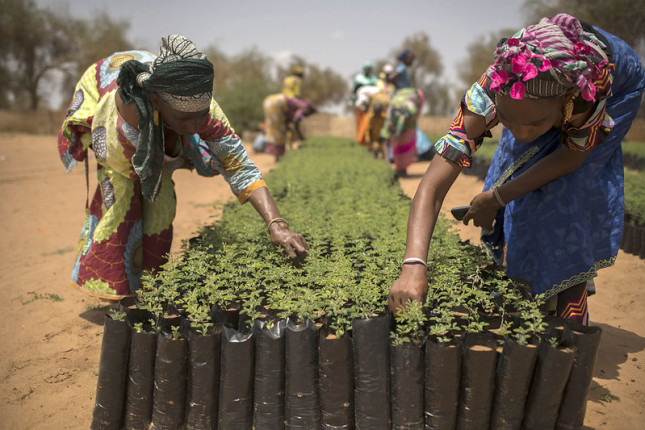
In Africa, climate change and population expansion are increasing fragilities and vulnerabilities—including contributing to conflict dynamics—for many people who directly depend on nature. To cope with how their environment can no longer supply livelihood needs, people are migrating in search of security or economic stability. These factors interact with one another in ways that underline the need for inclusive conflict mitigation considerations in climate change action.
-
Feeding Peace
›
The impact of conflict on food security is well documented. But does food security and feeding the hungry really contribute to peace, or is it an exaggeration? Some argue that food insecurity can contribute to political instability and renewed violence in conflict-affected environments. In contrast, others say that brokering peace is a complex process, determined by many variables. To explore this question, this blog describes the instrumentalization and weaponization of food insecurity in conflict, addresses the role of humanitarian interventions, and the key role of government in building lasting change.
-
Towards Better Protecting the Environment in Armed Conflict
›Environmental dimensions of armed conflicts
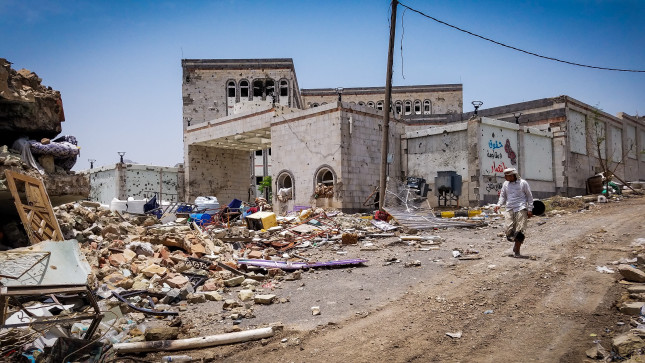
Years of armed conflict have devastated Yemen’s environment, contributing to one of the worst humanitarian crises in the world. Attacks on water infrastructure cut off thousands of people from access to safe drinking water, exacerbating a cholera outbreak that has caused an estimated 4,000 deaths since April 2017. Fighting also damaged Yemen’s agricultural infrastructure, contributing to the food insecurity of an estimated 16.2 million people.
-
Zafar Imran, Le Monde diplomatique
Climate Change in the Indian Farmers’ Protest
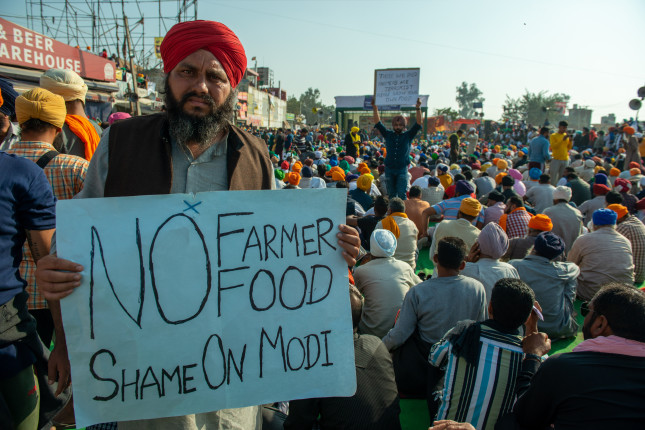
›The ongoing farmers’ movement in India has taken the world’s largest democracy by storm. Hundreds of thousands from all over the country have laid siege to New Delhi for more than two months. As both the protestors and the government dig their heels in, the chances of confrontation and violence are increasing by the day.
-
U.S., Mexico Sign Rio Grande Water Agreement
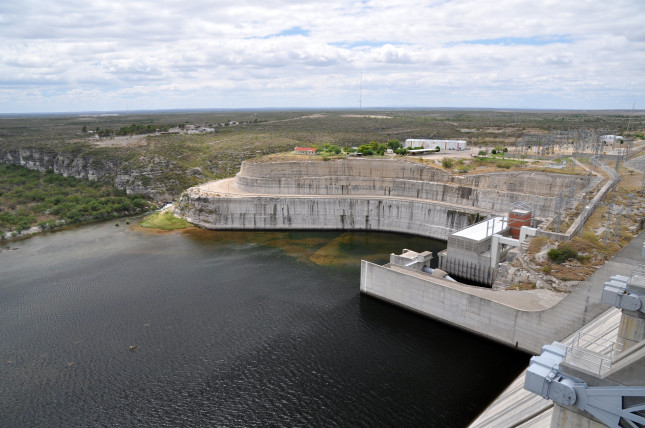
›U.S. and Mexican officials settled a water dispute that had been simmering for several months and led to protests by Mexican farmers concerned about water access.
-
Why Securing Youth Land Rights Matter for Agriculture-Led Growth in Africa
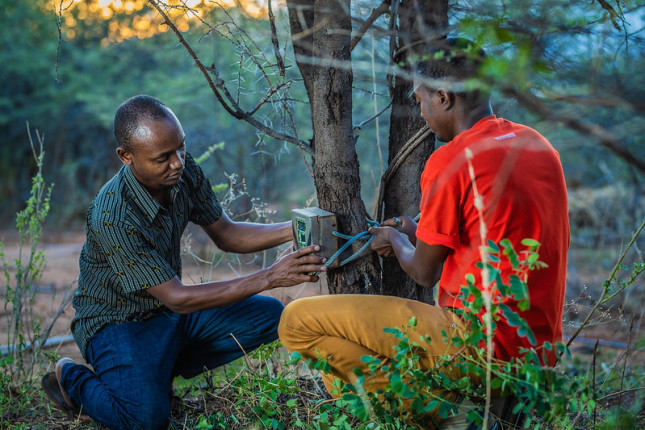
›Africa’s “youth bulge” represents both an enormous challenge and a tantalizing opportunity for the continent. With over 60 percent of Africans under the age of 35, governments are under increasing pressure to grasp the “demographic dividend” youth represent to boost agricultural productivity, enhance food security, and expand economic opportunities for young men and women. Each year, about 10-12 million young Africans aged 15-24 enter the labor market, but only 3.1 million formal wage jobs are generated, pushing millions of youth into low paying and precarious informal employment.
-
Agriculture’s Achilles’ Heel: Water Insecurity Is the Greatest Threat to Sustaining Global Food Production
›Simply put, without water there is no food. Global food and nutritional security require resilient agricultural systems, which, in turn, depend on reliable and sustainable supplies of freshwater, whether from rainfall or irrigation. It is an often-neglected dependency, and one that threatens to undermine our ability to meet our future food needs and maintain the ecosystems upon which all life depends.
-
Protecting Brazil’s Forests Could Boost Economic Development
›The dry season returned to Brazil’s Amazon region in late July—and with it, forest fires, largely human-made. After making substantial progress in reducing deforestation in the 2000s and early 2010s, Brazil has reversed course and deforestation is rising. In the Amazon, this season has been the worst in more than a decade in number of fires, and second worst in terms of total deforestation, according to satellite data from Brazil’s National Institute of Space Research (INPE), which monitors the situation.
Showing posts from category agriculture.