-
US Agricultural Success Built on US-China Scientific Exchange
›China Environment Forum // Cool Agriculture // Guest Contributor // December 5, 2024 // By Karen Mancl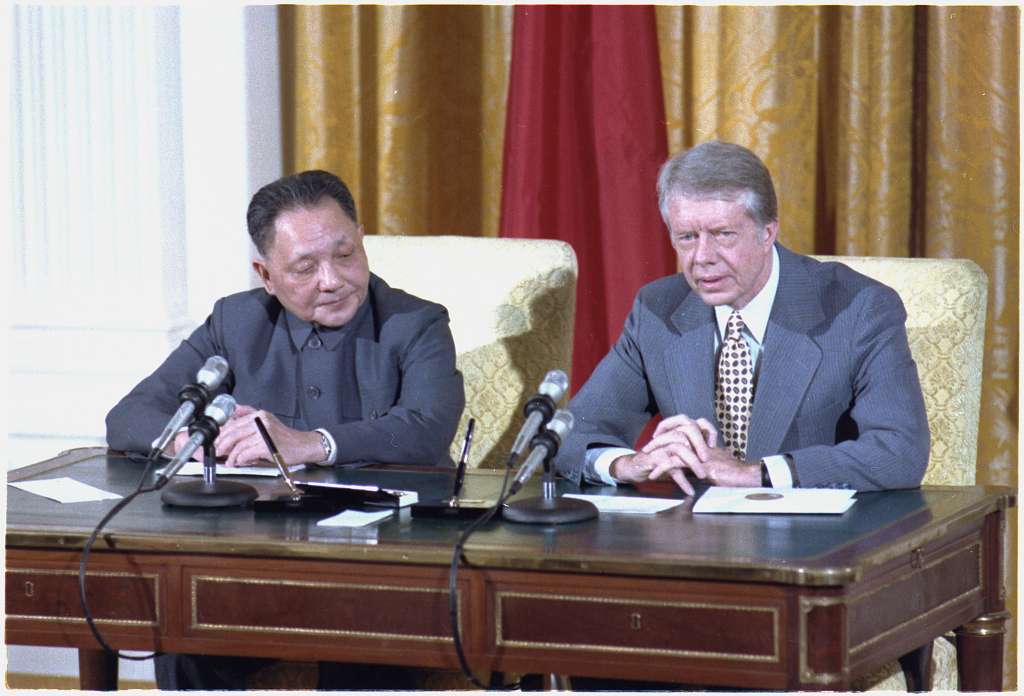
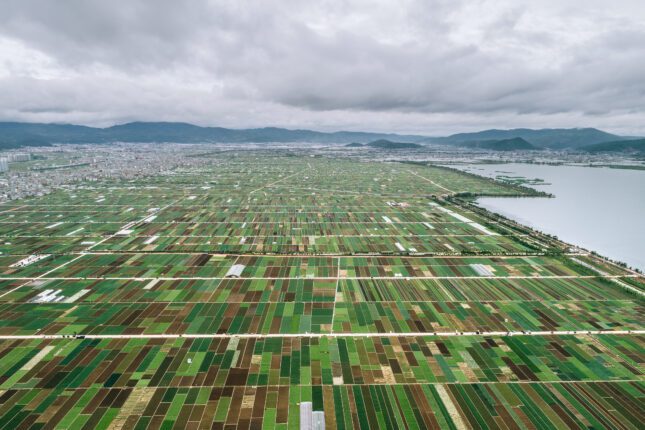
“History teaches that China and the United States gain from cooperation and lose from confrontation” was part of the congratulatory note from Xi Jinping to President-elect Trump. Xi also stressed both sides should continue to uphold “mutual respect, peaceful coexistence and win-win cooperation.” The cooperation between these two superpowers began in 1972 when President Richard Nixon and Premier Zhou Enlai signed the Shanghai Communiqué, years before they established diplomatic relations.
-
A Decade of Progress on Palm Oil Deforestation at Risk in Indonesia
›China Environment Forum // Guest Contributor // Vulnerable Deltas // October 24, 2024 // By Jason Jon Benedict & Robert Heilmayr
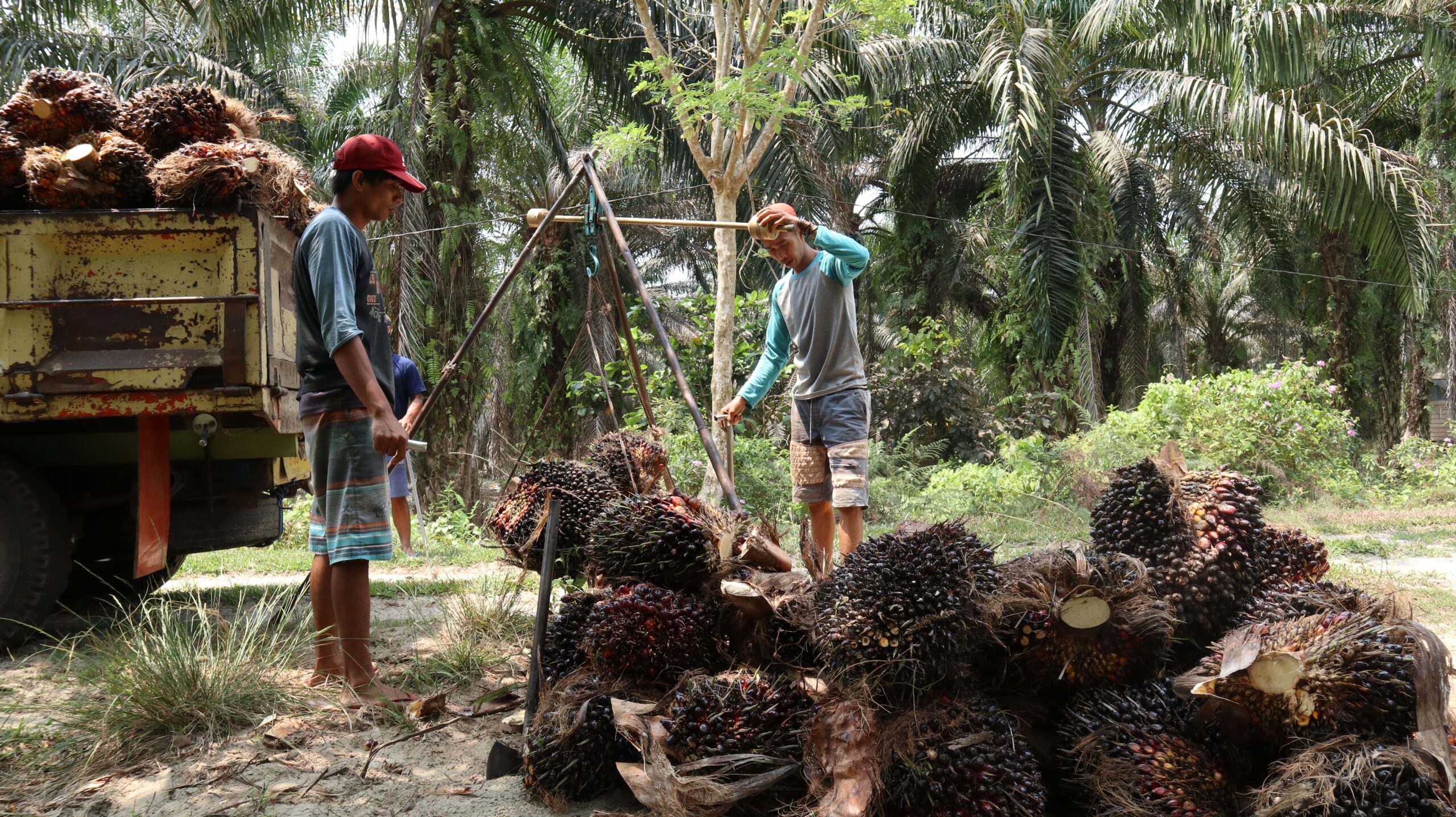
Indonesia is the world’s largest producer and exporter of palm oil, an ingredient used globally in a huge variety of food and household products from peanut butter to shampoo. Yet it is also an important driver of deforestation and contributor to climate change and biodiversity loss. Over the past 20 years, the expansion of palm oil plantations has contributed one-third of the total loss of old-growth forests in Indonesia (around 3 million hectares).
-
Long Term Climate Resilience: A Pathway to Stabilize Somalia
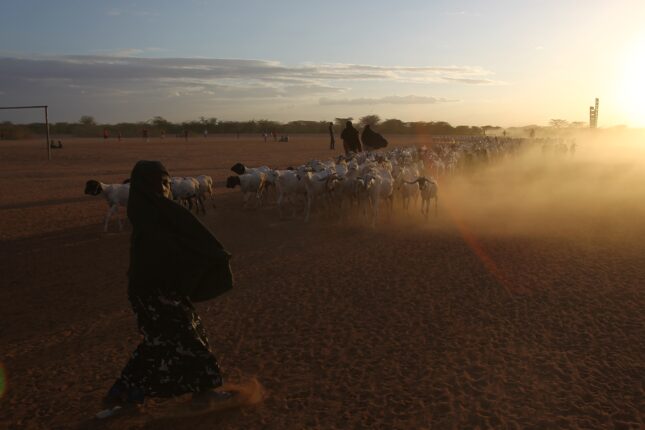
›Somalia is trapped in a cycle where climate impacts—droughts, floods, and erratic weather patterns—fuel displacement, poverty, and conflict. With agriculture and pastoralism at the core of its economy, the country is particularly vulnerable to these environmental shocks, which create fertile ground for insurgent groups to exploit the resulting instability.
-
Methane Emissions: Can the United States and China Find Common Ground?
›As relations between the United States and China become increasingly acrimonious, reducing methane emissions from oil and gas operations remains an exceptional arena where respectful engagement between both countries endures.
Methane is a highly-intensive, short-lived climate pollutant, and it is responsible for about 30 percent of current global warming. Two-fifths of the global total of human-caused methane derives from fossil fuel production, including oil and gas. And the U.S. and China play an outsized role. The US leads the world in oil and gas production and sectoral methane emissions, while China ranks in the top five producers. China is also the global leader in total methane releases, including agriculture, livestock, coal production, and waste emissions.
-
ECSP Weekly Watch | May 13 – 17
›A window into what we are reading at the Wilson Center’s Environmental Change and Security ProgramUN World Wildlife Crime Report Reveals Harm of Wildlife Trafficking (UN Office on Drugs and Crime)
In the third World Wildlife Crime Report, the UN Office on Drugs and Crime (UNODC) discussed trends in illicit trafficking of protected species, analyzed wildlife crime harms and impacts, and took stock of all current knowledge on intervention effectiveness. This report is more comprehensive than its predecessors in 2016 and 2020 due to increased reporting. Despite 20 years of effort, wildlife trafficking persists and is connected with powerful organized crime groups operating in fragile ecosystems. This has implications not only for the spread of organized crime, but also for biodiversity loss and subsequent impacts on climatic fragility.
-
Plowing Under the EU Green Deal? Climate Policy and the European Parliament Elections
›This article originally appeared on the blog of Wilson Center’s Global Europe Program.
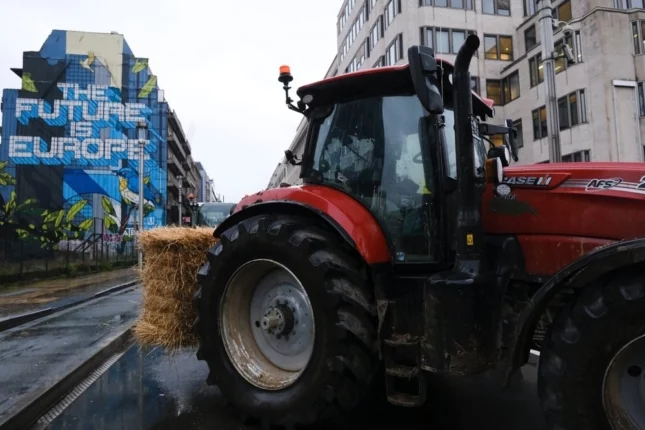
The recent farmers’ protests that erupted across several EU countries have put the EU climate debate in the limelight of the European Parliament election campaigns. From Spain to Poland, farmers have been expressing grievances over falling margins; rising costs for energy, fertilizers, and transport; increasing competition from Ukrainian imports; and complex bureaucratic procedures.
-
ECSP Weekly Watch: February 26 – March 1
›A window into what we are reading at the Wilson Center’s Environmental Change and Security ProgramAssessing Irrigation’s Impact on Pastoralists (The New Humanitarian)
In many African drylands, especially in Kenya, large-scale irrigation projects are attracting significant attention and funding. The concept of “greening the desert” has the potential to create economic opportunity and boost available resources in drought-threatened territory. However, these large-scale projects have often brought negative impacts for pastoral communities.
-
Food Waste: A Low-Hanging Fruit for Methane Reductions
›China Environment Forum // Cool Agriculture // February 8, 2024 // By Jennifer Nguyen, Jennifer Turner & Karen ManclThis blog is modified from the Wilson Center-OSU “Cultivating US and Chinese Climate Leadership on Food and Agriculture Roadmap” publication.
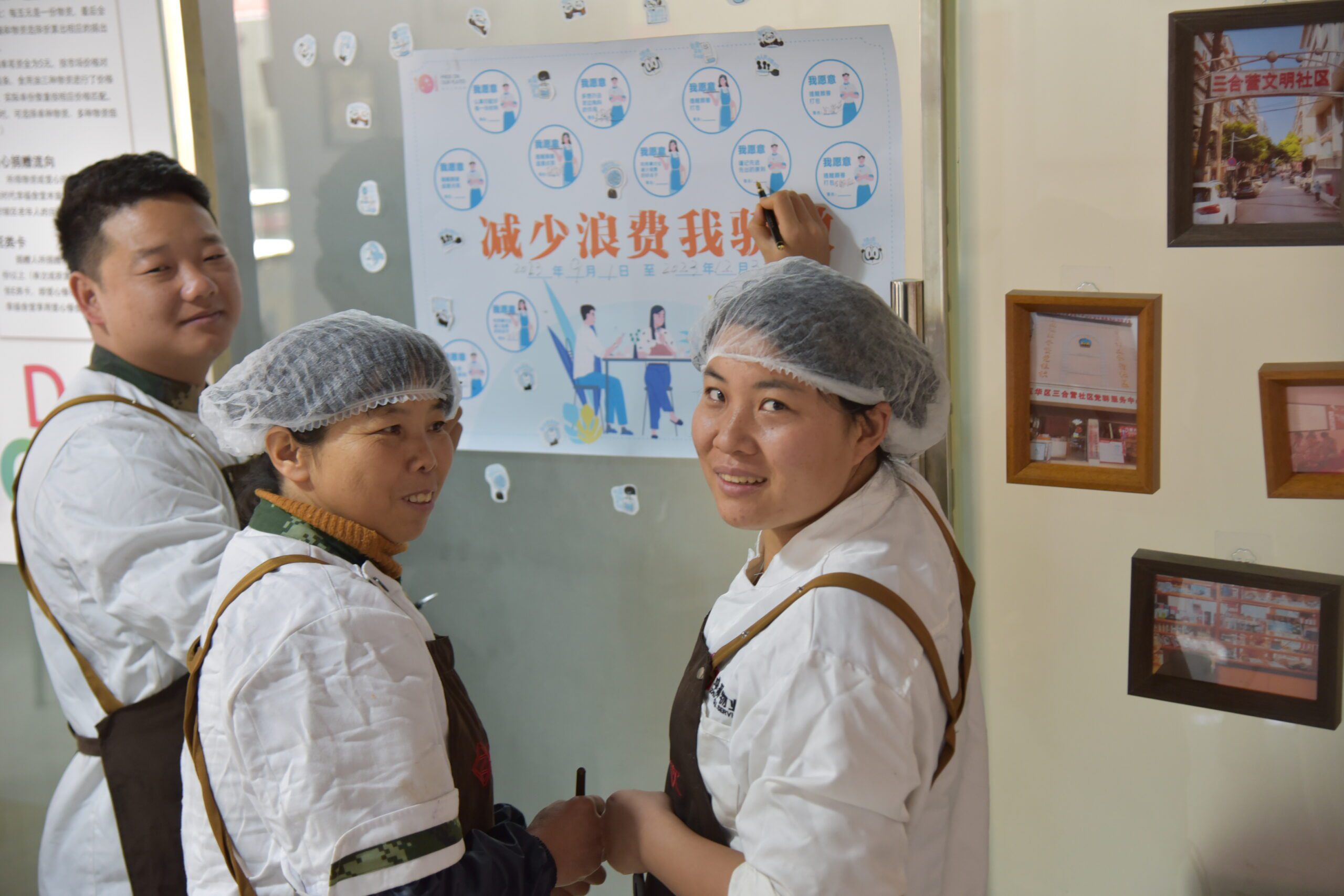
“Waste is something that most of us just don’t see,” stressed Pete Pearson, Senior Director, Food Loss and Waste, WWF, at a recent Wilson Center event. Though people are “conditioned” to be blind to food waste, continued Pearson, this not-so-invisible problem wastes a third of food grown around the world. When this wasted food decomposes, it emits methane, accounting for 8 to 10% of global greenhouse gas (GHG) emissions.
Showing posts from category agriculture.