-
Better Water Security Translates into Better Food Security
›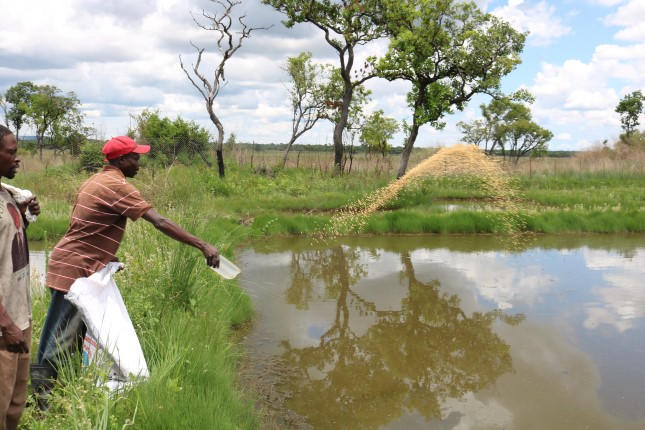
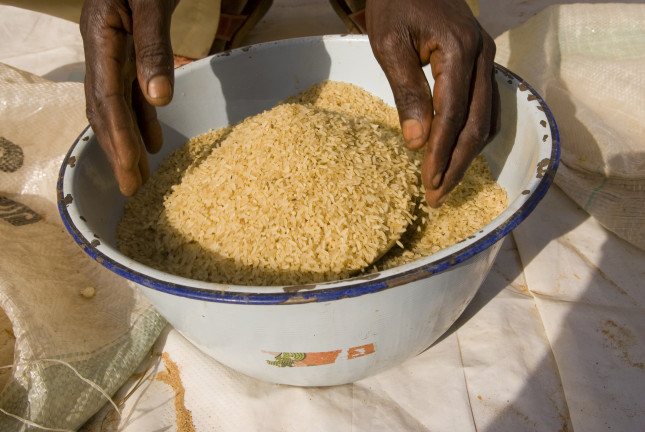
“Food production is the largest consumer of water and also represents the largest unknown factor of future water use as the world’s population continues to balloon, and we face increasing weather-related shocks and stresses,” said Laura Schulz, Acting Deputy Assistant Administrator in USAID’s Bureau for Economic Growth, Education and Environment. She spoke at “Feeding a Thirsty World: Harnessing the Connections Between Food and Water Security,” an event sponsored by the Wilson Center, Winrock International, the Sustainable Water Partnership, and USAID. Currently about 70 percent of global water goes to agriculture, a number that is projected to rise “as high as 92 percent,” said Rodney Ferguson, the President and CEO of Winrock International.
-
China’s Hollow Villages Undergo a Transformation
›
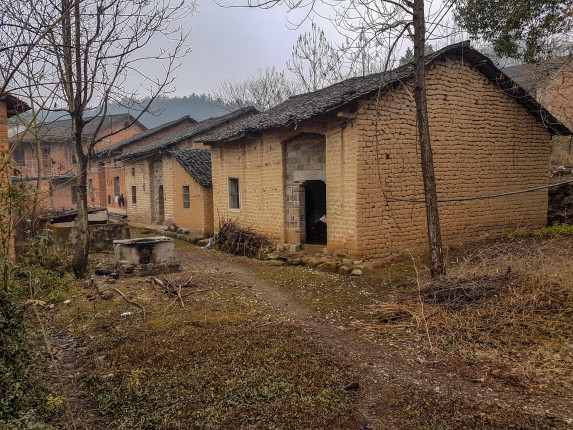
As an agricultural engineering professor, I was excited to visit and tour the farm village Houbali, in southwestern Shandong Province. I found myself standing among newly constructed high-rise buildings, a vastly different community than I had expected to encounter. A bicycle repair shop was setting up alongside other bustling businesses in the first-floor storefronts. Farm families occupied apartments in the upper floors and a beautifully landscaped park and playground were a short walk away. This neighborhood looked like a transplant from Beijing, but these modern buildings were a newly developed farm village surrounded by agricultural fields. The new buildings brought together the residents of four old, nearly empty or “hollow” villages.
-
New Report Pushes for Greater Focus on Resilience in Feed the Future’s Work in Nigeria
›“We are suggesting the tilt to resilience [in Nigeria] is not fully evident,” said Julie Howard, Senior Advisor with the Center for Strategic and International Studies’ (CSIS) Global Food Security Project. She spoke at a recent CSIS event launching a new report, Risk and Resilience: Advancing Food and Nutrition Security in Nigeria through Feed the Future. The report critiques the USAID global food security and hunger program, Feed the Future, which is attempting to expand on its work reducing poverty and malnutrition by adding a third priority: building resilience in the second phase of its campaign.
-
Targeting Infrastructure Undermines Livelihoods in the West Bank
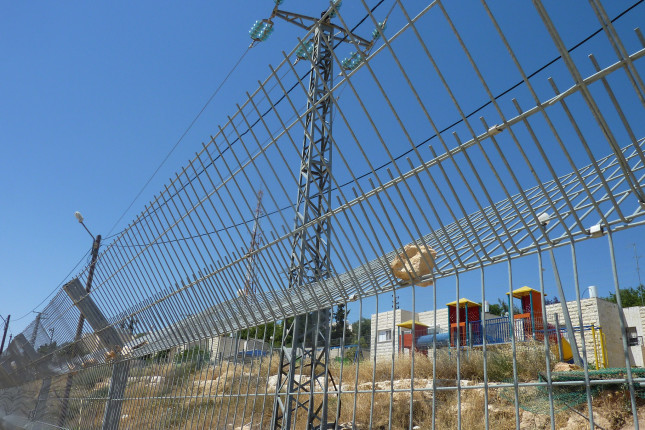
›In many Middle Eastern wars, targeting civilian infrastructure has become all too common. As we documented in a previous article, both state and non-state actors in wars since 2011 in Libya, Syria, and Yemen have targeted water, sanitation, and energy facilities to displace urban populations, punish civilians, and render local attempts to provide public services untenable. Destroying environmental and civilian infrastructure directly undermines livelihoods and human security.
-
Groundwater Scarcity, Pollution Set India on Perilous Course
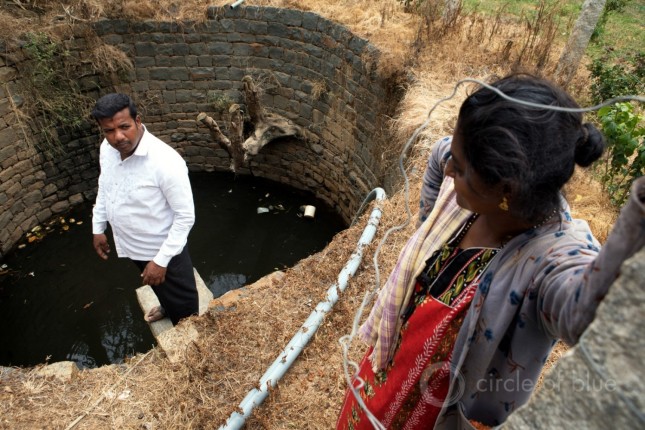
›Doula Village lies 55 kilometers (34 miles) northeast of New Delhi on a flat expanse of Uttar Pradesh farmland close to the Hindon River. Until the 1980s Doula Village’s residents, then numbering 7,000, and its farmers and grain merchants, thrived on land that yielded ample harvests of rice, millet, and mung beans. The bounty was irrigated with clean water transported directly from the river, or with the sweet groundwater drawn from shallow wells 7 meters (23 feet) deep.
-
Resource Nexus Approaches Can Inform Policy Choices
›Guest Contributor // January 8, 2019 // By Stacy D. VanDeveer, Raimund Bleischwitz & Catalina SpataruThe unabated growth of natural resource consumption raises risks that we will outstrip the capacities of ecosystems and governance institutions. At the same time, to achieve important global goals related to poverty alleviation, public health, equity and economic development such as those embodied in the United Nations Sustainable Development Goals (SDGs), we will simultaneously need more resources and better management of natural resources everywhere.
-
As Andean Glaciers Retreat, So Does Regional Security
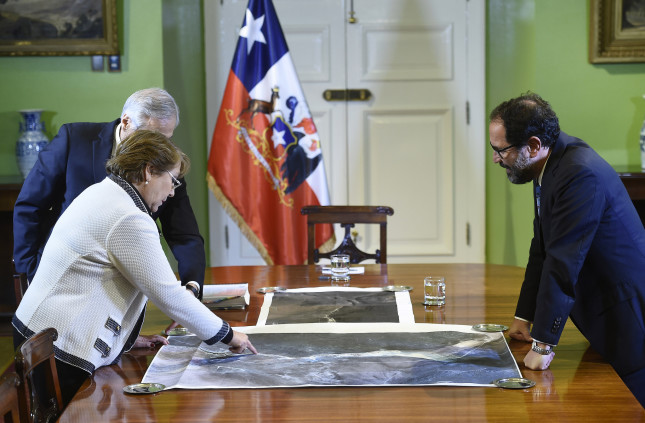
›Last month, Bolivia filed a counterclaim against Chile in the International Court of Justice—the latest salvo in their battle over rights to the waters of the Silala River. The court will decide whether Silala is “an international watercourse”—thus granting water rights to Chilean mining operations—or simply an artificial diversion of Bolivian spring water by Chile. This legal case marks the latest chapter in Bolivia and Chile’s historically delicate relationship, which dates back to the War of the Pacific in the late 19th century.
-
Reaching for Resilience in East Africa
›“Resilience isn’t an outcome, it is a process—and capacity-building is crucial,” said Chelsea Keyser, Deputy Chief of Party for USAID’s PREPARED program, during a recent event at the Wilson Center marking the end of the five-year project. PREPARED (Planning for Resilience in East Africa Through Policy, Adaptation, Research, and Economic Development) developed 14 different tools to help communities adapt to the impacts of the changing environment in the East African region, including unreliable rainfall and rising temperatures.
Showing posts from category agriculture.