-
Consequential Omissions: How Demography Shapes Development
›
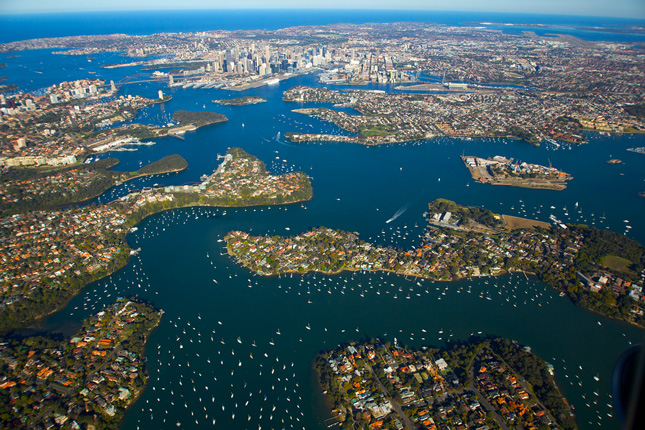
If you were on a mission to improve the plight of humankind, no less, would you care about how many people are living, where they are, and how old they are? You probably would, for it would obviously make it easier for you to estimate the challenge you face. However, the international community did not.
-
A Quick Video Tour of How We Got to 7 Billion and Where We’re Going Next
›
Hans Rosling has always been an innovator when it comes to bringing big ideas to big audiences. The Norwegian doctor, statistician, and co-founder of the Gapminder Foundation has become known – to the kind of people who watch TED Talks anyway – for lively presentations aimed at demystifying common ideas about global development and demography. On Gapminder.org, he literally stands chest-high in water appealing for your donation to help him “cross the river of myths.”
-
World Economic Forum Evaluates Global Risks, Comes to Some Odd Conclusions
›With intense drought in Sao Paulo and California, devastating floods in Malawi, and escalating water-energy confrontations in many developing countries, it is no wonder water is making headlines. It’s also gained the attention of the World Economic Forum (WEF), which lists water crises as the world’s number one risk in its recently released Global Risk Assessment.
-
The Future of Political Demography and Its Impact on Policy
›March 9, 2015 // By Schuyler Null“Political demography is a discipline whose time has come,” said Rob Odell of the National Intelligence Council at a gathering of demographers and researchers in New Orleans. “You can sense this inherent dissatisfaction” with a lot of analytical and predictive tools in international relations, he said, and “political demography provides policymakers a way to think about long-term trends.”
-
Are We Keeping up With Asia’s Urbanization?
›There is widespread agreement, and untold publications, that argue urbanization is the defining issue of our time. There are more cities, both large and small, and more people living in those cities than anytime in human history.
-
World Population and Human Capital in the 21st Century
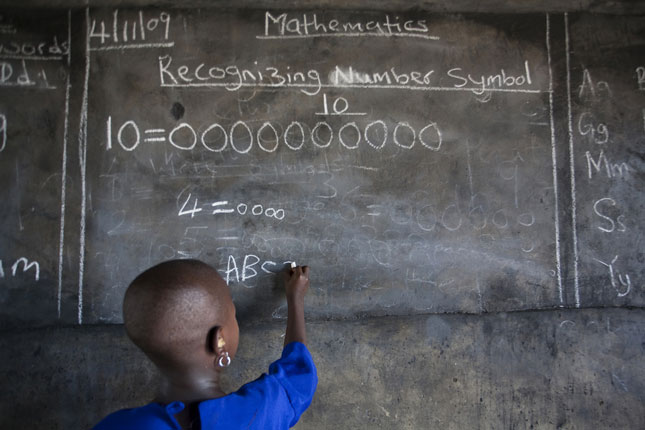
›With UN demographers more certain than ever that global population will reach between 10 and 12 billion by the end of the century, the challenge of building a sustainable future seems daunting. But according to Wolfgang Lutz, founding director of the Vienna-based Wittgenstein Center for Demography and Global Human Capital, these projections miss one crucial variable: increasing levels of education. [Video Below]
-
Short Films on Cuba, France, Australia Reminders of Immediacy of Climate Challenge
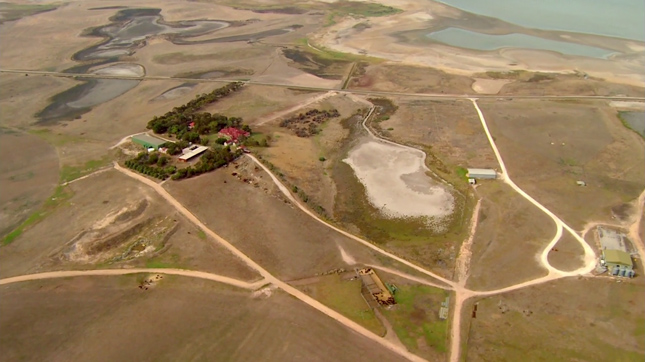
›Much of the time, discussion about climate change is focused on the future – How bad will it be? Will it lead to more conflict? Who will be most vulnerable? But it is in fact a current phenomenon. The climate system is already, for all intents and purposes, irrevocably changed and millions of lives have been changed along with it.
-
Babatunde Osotimehin: “The Youth Agenda Has Never Been More Important”
›
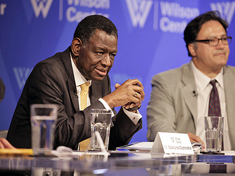
More than 1.8 billion people – nearly a third of the global population – are between the ages of 10 and 24, comprising the largest-ever generation of young people. According to Babatunde Osotimehin, executive director of the United Nations Population Fund (UNFPA), “how we meet the needs and aspirations of these young people will define the world’s future.”
Showing posts from category aging.