-
Integrating Climate, Peace, and Security in MENA Countries’ NDCs
›
The potential threat climate change poses to peace and security is perhaps nowhere more apparent than in the Middle East and North Africa (MENA). Nationally Determined Contributions (NDCs) are one way MENA countries can address this compound risk.
-
The Arc | Dr. Mizan Khan on Loss and Damage and Bangladesh’s Role as a Climate Adaptation Leader
› In today’s episode of New Security Broadcast, ECSP’s Claire Doyle and Angus Soderberg speak with Dr. Mizan Khan, Technical Lead at the Least Developed Countries Universities Consortium on Climate Change. Dr. Khan was formerly the Deputy Director at the International Center for Climate Change and Development (ICCCAD), a research institute based in Bangladesh.
Dr. Khan describes Bangladesh’s vulnerability to climate change and its unique role as an adaptation leader. He also discusses what he believes the core principles of the Loss and Damage Fund should be, and the legacy of the late Dr. Saleemul Huq.
-
ECSP Weekly Watch | May 13 – 17
›A window into what we are reading at the Wilson Center’s Environmental Change and Security ProgramUN World Wildlife Crime Report Reveals Harm of Wildlife Trafficking (UN Office on Drugs and Crime)
In the third World Wildlife Crime Report, the UN Office on Drugs and Crime (UNODC) discussed trends in illicit trafficking of protected species, analyzed wildlife crime harms and impacts, and took stock of all current knowledge on intervention effectiveness. This report is more comprehensive than its predecessors in 2016 and 2020 due to increased reporting. Despite 20 years of effort, wildlife trafficking persists and is connected with powerful organized crime groups operating in fragile ecosystems. This has implications not only for the spread of organized crime, but also for biodiversity loss and subsequent impacts on climatic fragility.
-
Climate, Conflict, and Changing Demographics Command Attention in New Global Health Security Report
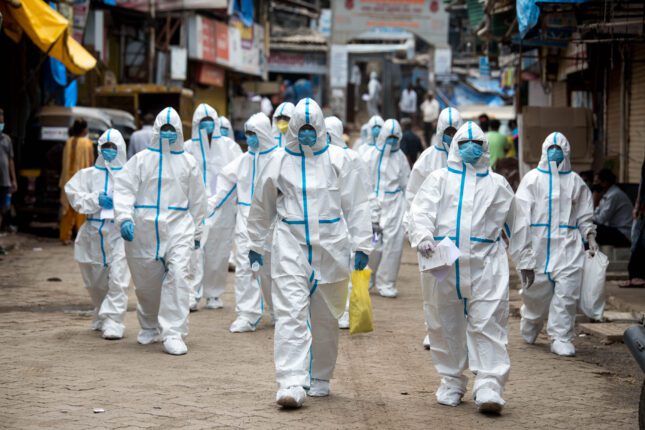
›A new report by the US Intelligence Community highlights what the world stands to lose if it fails to cooperate on global health. The National Intelligence Estimate (NIE) “Dynamics Shaping Global Health Security In the Next Decade” outlines the dire effects of climate change, changing demographics, and the erosion of trust in institutions on global health security. The NIE on Global Health Security was made publicly available in April 2024, on the heels of the Biden-Harris Administration’s launch of a new Global Health Security Strategy.
-
Key Takeaways from the Innovations in Climate Resilience Conference
›Historically, efforts to mitigate climate change have taken precedence over building resilience to its impacts. But from Pakistan to the Amazon, communities on the front lines are already experiencing the devastating effects of a warming world.
In recent weeks, devastating floods have claimed the lives of over 450 people in East Africa, as heavy rains linked to El Niño and changing climate patterns overwhelmed communities and infrastructure. Similar tragedies unfolding in Brazil, Pakistan, and Afghanistan underscore the human cost of being unequipped to protect against the worst impacts of climate change.
-
Climate Priorities in the Middle East and North Africa: Takeaways from a New Occasional Paper
›In a new Occasional Paper published by the Wilson Center’s Middle East Program and ECSP, journalist Taylor Luck examines the climate priorities of wealthy and middle-income countries in the Middle East and North Africa (MENA). Luck analyzes the policies adopted by MENA states, highlighting gaps and offering recommendations to strengthen climate action in a region strained by both instability and climate change.
-
ECSP Weekly Watch: April 15 – 19
›UNFPA’s State of World Population 2024 Report Highlights SRHR Inequalities (UNFPA)
Over the last 30 years, the world has made immense progress in improving sexual and reproductive health and rights (SRHR) for women and girls around the world. Since 1994, when governments agreed that SRHR was a cornerstone of international development at the Cairo International Conference on Population, rates of unintended pregnancies have fallen 20%, 162 countries have adopted anti-domestic violence laws, and maternal deaths have decreased by 34%.
-
Americans Want to Challenge China’s Presence in Africa. They Could Start by Showing Up
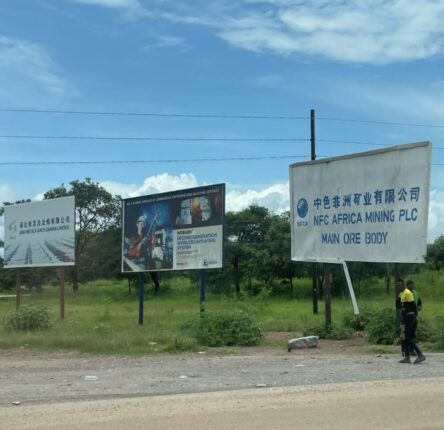
›Zambia’s Copperbelt province is a microcosm of foreign investment on the continent.
Fly into Lusaka and marvel at the capital’s strikingly modern airport. Drive into town along a road as smooth as any American highway. Look left and notice a large white hospital complex. Glance right only a few minutes later to see the city’s impressive conference center with a “Golden Chopsticks” restaurant next door.
Showing posts from category adaptation.
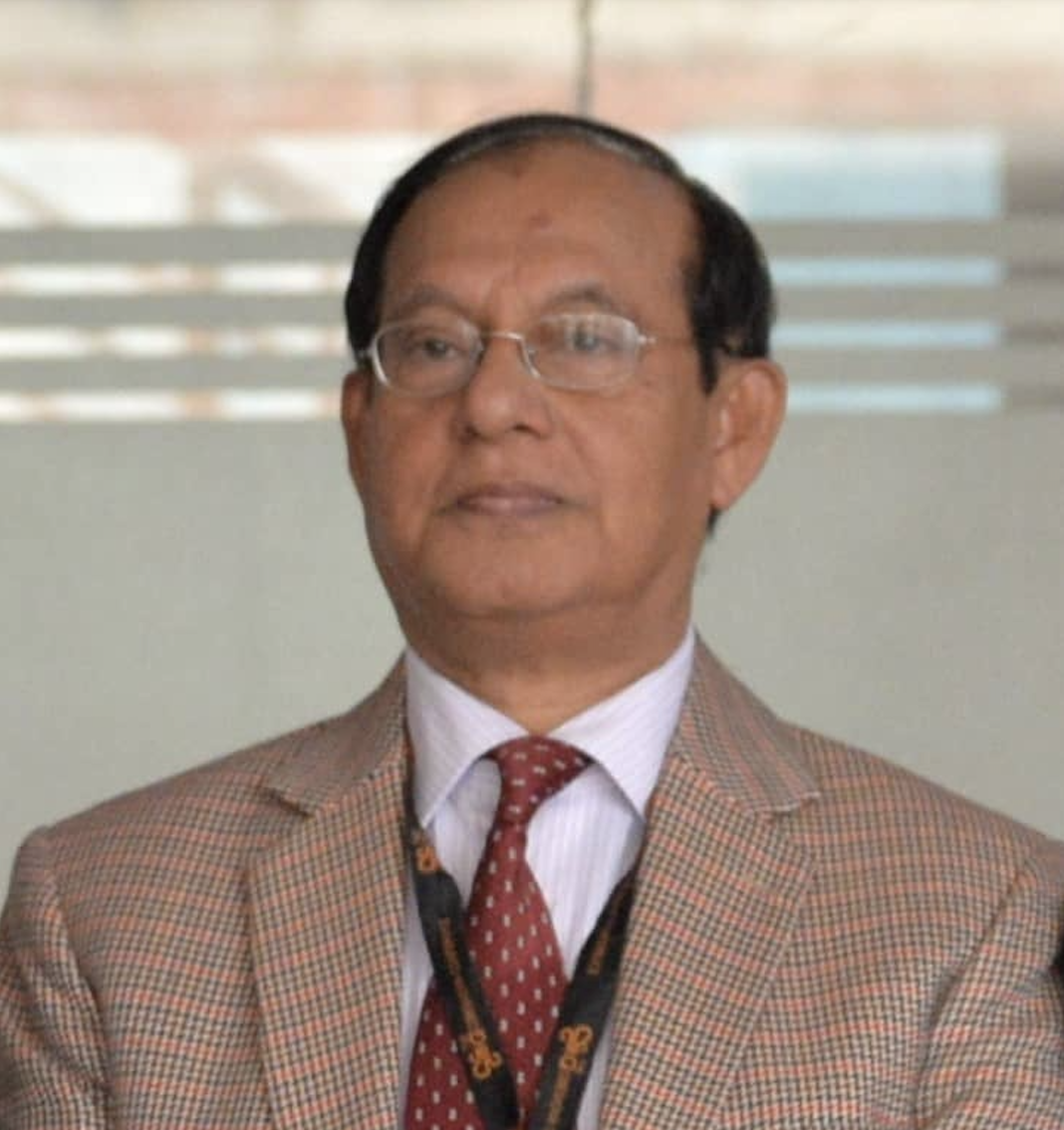 In today’s episode of New Security Broadcast, ECSP’s Claire Doyle and Angus Soderberg speak with Dr. Mizan Khan, Technical Lead at the Least Developed Countries Universities Consortium on Climate Change. Dr. Khan was formerly the Deputy Director at the International Center for Climate Change and Development (ICCCAD), a research institute based in Bangladesh.