

-
Backdraft #7: Janani Vivekananda on What Renewable Energy Projects Can Learn From Oil, and Future-Proofing Humanitarian Responses
› As more and more development and humanitarian programs contend with climate-related problems, there are important lessons learned from past experience that should not be forgotten, says Janani Vivekananda, formerly of International Alert and now with adelphi, in this week’s episode of “Backdraft.”
 -
Backdraft #6: Jesse Ribot on Why It’s So Important for Climate Interventions to Work Through Local Democracy
›In a research project spanning more than two dozen case studies on environmental governance in 13 sub-Saharan African countries, Jesse Ribot, professor at the University of Illinois, and colleagues found that while many forest management projects claimed to be working with communities, they were in fact undermining local democracy in various ways. -
Afghanistan’s Water Plans Complicated by Worried Neighbors
›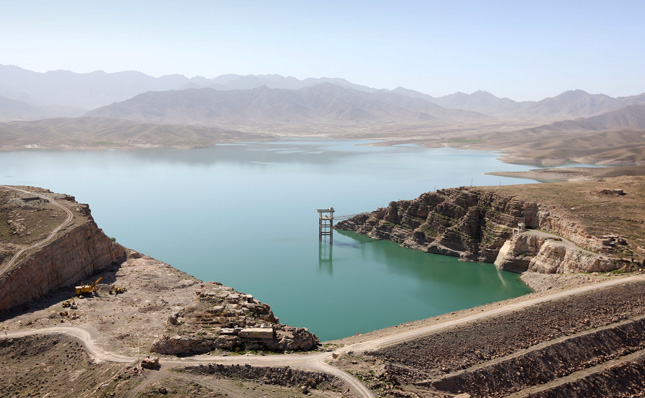
More than 40 years ago, the Soviet Union attempted to harness hydropower to modernize Afghanistan. Between 1960 and 1968, they poured money and technical knowledge into the 100-meter Naghlu gravity dam outside Kabul and a village for its workers called Sharnak. Although the town has been damaged and the boons of modernity remain elusive for many Afghans, the dam remains a crucial source of power for the capital and is the largest power plant in the country with an installed capacity of 100 megawatts.
-
Backdraft #4: Edward Carr on Climate Response, Motivations, and the Value of Ethnographic Research
›Unintended consequences from climate interventions are often the result of not understanding decision-making at a granular enough level, says Edward Carr in this week’s “Backdraft” episode. -
Ground Truth Briefing: Is Climate-Related Migration a National Security Issue?
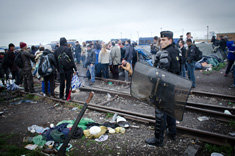
›Experts predict that climate change will spur some people to leave their homes and countries. How will national security be affected as a result? -
Are We Headed Toward “Recurring Storms” of Global Food Insecurity?
›February 27, 2017 // By Erica MartinIt’s often assumed that in the modern era, food security is an achievable goal. But between 2007 and 2008, a confluence of conditions shook the international food system to its core, fueling unrest and riots in more than 40 nations around the world. What’s more, this “perfect storm” may have been only a harbinger of challenges to come, according to a new report by Emmy Simmons of the Center for Strategic and International Studies (CSIS).
-
Introducing “Choke Point: Tamil Nadu,” a Look Inside One Indian State’s Struggle With Severe Water Stress
›TUTICORIN, India – Among the 75 government agencies that manage and regulate this bewitching and often impassioned nation, there is no Ministry of the Future. There should be.
-
New “Backdraft” Podcast Series, on the Peace and Conflict Consequences of Climate Responses
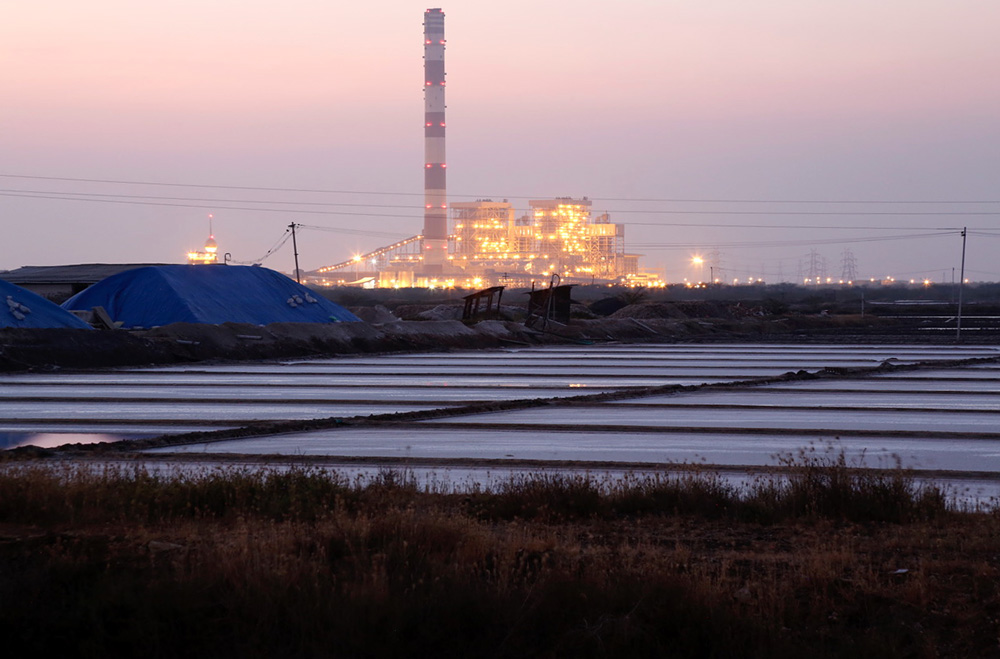
›The science is clear: To prevent major disruption, the global community must take steps to address climate change. But it is also increasingly clear that efforts to address climate change can have major effects on societies that are not always anticipated.
Showing posts from category adaptation.
 As more and more development and humanitarian programs contend with climate-related problems, there are important lessons learned from past experience that should not be forgotten, says Janani Vivekananda, formerly of International Alert and now with adelphi, in this week’s episode of “
 In a
In a  Unintended consequences from climate interventions are often the result of not understanding decision-making at a granular enough level, says Edward Carr in this week’s “
 Experts predict that climate change will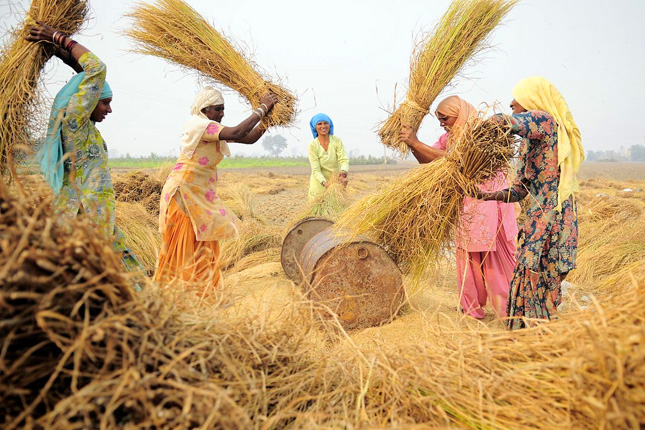
 The science is clear: To prevent major disruption, the global community must take steps to address climate change. But it is also increasingly clear that efforts to address climate change can have major effects on societies that are not always anticipated.

