

-
Water and Governance: Changing Water Laws in a Changing Climate
›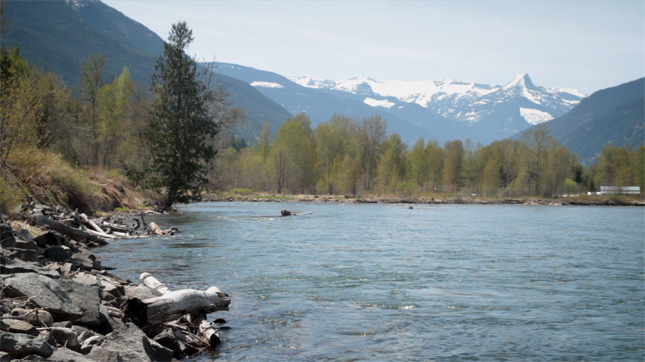
The Columbia River basin—which spans four U.S. states, two Canadian provinces, and 32 Tribal Nations or First Nations—touches the lives of more than five million people each day. The basin’s 250 hydroelectric dams power everything from Google’s data center to irrigation pumps that spread water onto fields of alfalfa and potatoes. Steelhead trout and salmon rely on the river to spawn. Ships and tugboats transport millions of tons of cargo to and from the Pacific Ocean.
-
Reaching for Resilience in East Africa
›
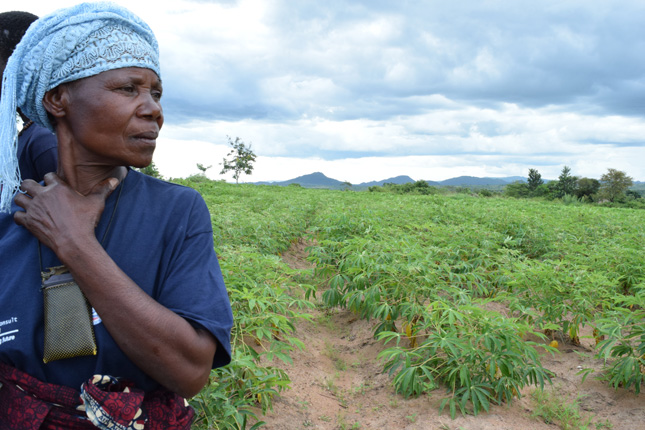
“Resilience isn’t an outcome, it is a process—and capacity-building is crucial,” said Chelsea Keyser, Deputy Chief of Party for USAID’s PREPARED program, during a recent event at the Wilson Center marking the end of the five-year project. PREPARED (Planning for Resilience in East Africa Through Policy, Adaptation, Research, and Economic Development) developed 14 different tools to help communities adapt to the impacts of the changing environment in the East African region, including unreliable rainfall and rising temperatures.
-
Coastal Resilience on Capitol Hill: Protecting the United States’ Infrastructure, Economy, and Security
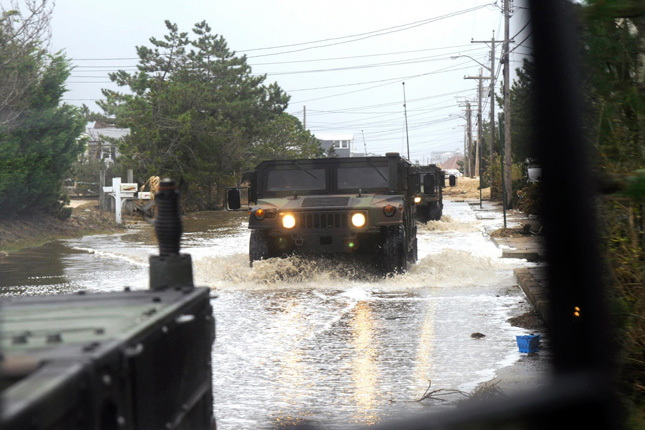
›Every dollar invested in preparing for natural disasters could save seven dollars, said Alice Hill, Research Fellow at the Hoover Institution, at a recent briefing on Capitol Hill. Catastrophic events like Superstorm Sandy present significant financial risks to U.S. businesses, the federal treasury, and the global economy. These complex emergencies have taught us that “everything is connected: our transportation system failed, our health sector failed,” said Hill, in the wake of these storms.
-
Franklin Moore: Fostering Local Innovation Through Community Organization
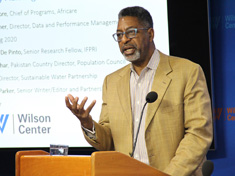
›Africare’s work has been built on a “strong belief that community mobilization and local capacity building and innovation are the cornerstones of successful development, and that, for us, includes resilience,” says Franklin Moore, Chief of Programs for Africare, in a podcast from a recent Wilson Center event. “Community engagement, capacity building, and looking at locally driven behavior and social change is what empowers communities.” -
Building Coastal Resilience to Protect U.S. National Security
›June 28, 2018 // By Wilson Center StaffAs the Atlantic hurricane season kicks off this month, some coastal communities in the United States and small-island nations in the Caribbean are still recovering from last year’s record-breaking damage. At the same time, the heavy rains pounding the East Coast this week are part of a long-term trend towards more severe heavy rainfall events that have led to deadly floods and threaten critical U.S. military bases. Even on sunny days, cities such as Norfolk and Manila contend with high tide or “nuisance” flooding—a phenomenon that has increased as much as nine-fold since the 1960s, according to NOAA.
-
How to Advance the Monitoring of Climate Risk Insurance
›One of the most recent and promising tools to cope with the consequences of the rising number of disasters is climate risk insurance. In exchange for an annual premium, they quickly provide states and other actors (including individuals) with much-needed cash to cope with the impacts of natural hazards such as hurricanes, droughts, and floods. Within certain parameters, policyholders are largely free to determine how they want to use the payouts. The African Risk Capacity (ARC), the Caribbean Risk Insurance Facility (CCRIF), and the Pacific Catastrophe Risk Insurance Facility (PCRAFI Facility) serve as cases in point. To date, they have made 44 payouts to 19 countries totaling about US$ 173 million. Simply put: they work.
-
Alaska’s Lieutenant Governor: “Climate Change Is Already Impacting Us”
›“Alaska is a place in which climate change is already impacting us in very observable ways,” says Byron Mallott, the Lieutenant Governor of Alaska, in a video interview with Wilson Center NOW. “We have erosion from sea ice leaving the coast. We have patterns of weather change. We have, in the North Pacific Ocean, ocean water change [and] temperature changes taking place. We have ocean acidification moving further north. We have had impact on fisheries already—economic impact.”
-
Halvard Buhaug: Climate Changes Affect Conflict Dynamics
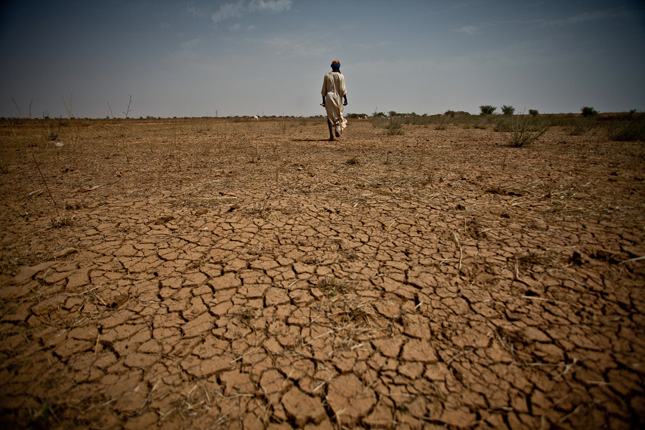
›“Climate is unquestionably linked to armed conflict,” says Halvard Buhaug, Research Professor at the Peace Research Institute Oslo, in the latest Wilson Center podcast.“If we produce a map of the world with locations of ongoing and recently entered armed conflicts, and we superimpose on that map different climate zones or climatic regions, we would very easily see a distinct clustering pattern of armed conflicts in warmer climates.”
Showing posts from category adaptation.
 Africare’s work has been built on a “strong belief that community mobilization and local capacity building and innovation are the cornerstones of successful development, and that, for us, includes resilience,” says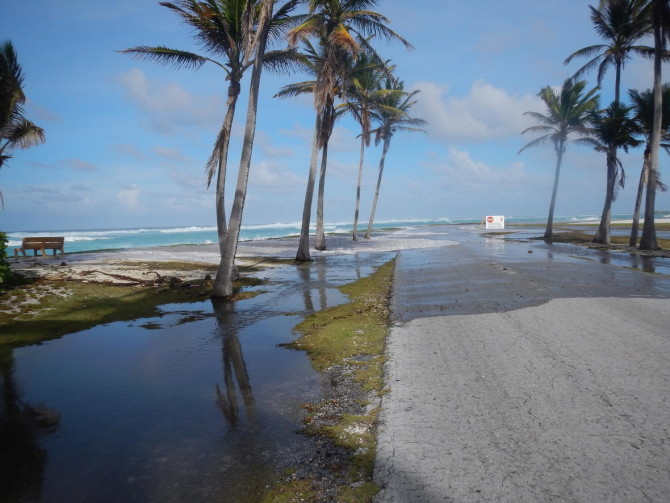
 “Climate is unquestionably linked to armed conflict,” says Halvard Buhaug, Research Professor at the Peace Research Institute Oslo, in the latest Wilson Center podcast.

