-
Ethiopia Makes Progress Toward a Demographic Dividend
›
Inspired by the success of East Asian economies, the demographic dividend framework is taking off in sub-Saharan Africa, where many are yearning for workable solutions to the region’s ongoing development challenges.
-
Finding the Path: Increasing Contraceptive Choice in Africa’s Most Populous Countries
›
More than 225 million women in developing countries want to avoid or delay pregnancy but are not using safe, modern, and effective contraceptive methods. Such a gap between women’s contraceptive behavior and reproductive goals is called an unmet need for family planning, and no region has more unmet need than sub-Saharan Africa. [Video Below]
-
Rachel Stern, Thomson Reuters Foundation
Despite Rising Concern, Climate Change Often Put on Back Burner in Conflict Zones
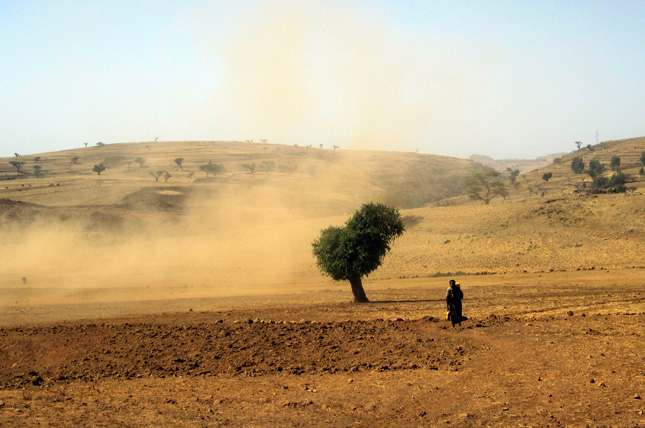
›October 23, 2015 // By Wilson Center StaffBarren barley and wheat fields stretch across the dry landscape of northern Afghanistan, the result of persistent drought and flash flooding that has left thousands of people facing food shortages and loss of work.
-
Iatrogenic Fistula on the Rise as More Women Gain Access to Surgery
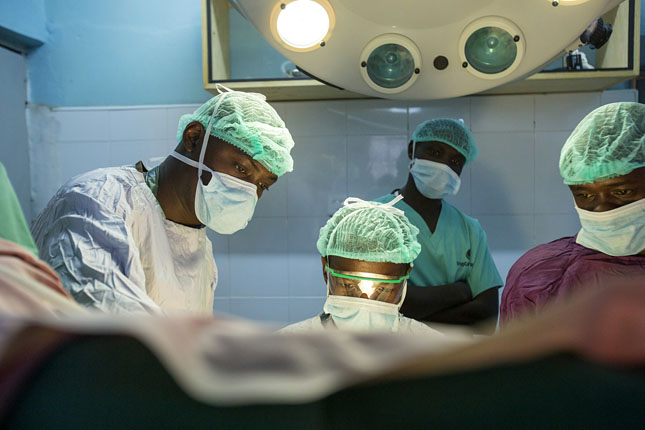
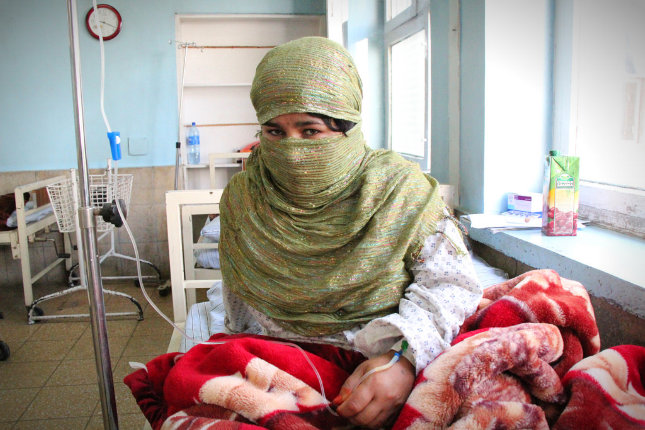
›Obstetric fistula is a devastating childbirth injury caused by prolonged obstructed labor. It can lead to incontinence and infection, social stigmatization as others recoil in horror, and even mental illness. Between 50,000 to 100,000 women each year are affected by it – and it’s entirely preventable with proper medical attention.
-
Previewing the Next Generation of Global Maternal and Newborn Health Programs in Mexico City
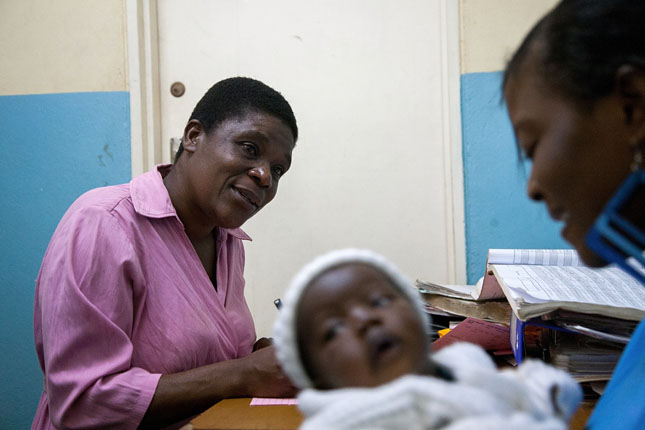
›The Global Maternal Newborn Health Conference, held in Mexico City from October 18-21, will provide a forum to identify, understand, and respond to the most urgent health needs of mothers and newborns. The hope is that it will accelerate momentum for maternal and newborn health in the newly adopted Sustainable Development Goals and put us on a track to end all preventable maternal and newborn deaths.
-
Heather McGray & Kathleen Mogelgaard, World Resources Institute
Not Just Mitigation: National Climate Plans Raise Adaptation’s Profile
›August 13, 2015 // By Wilson Center StaffAs the world prepares for a pivotal climate conference in Paris this December, countries are offering their national plans to tackle a changing climate. These plans, known as intended nationally determined contributions (INDCs), contain details of what each country is prepared to do as part of a new global climate agreement. While the public focus is often on mitigation – how much countries are willing to reduce emissions, by when, and with what degree of transparency – adaptation to the impacts of climate change demands the same level of attention. In fact, the last round of international climate talks in Lima invited parties to include adaptation in their INDCs.
-
Engaging Decision-makers on Family Planning: Some Right IDEAs
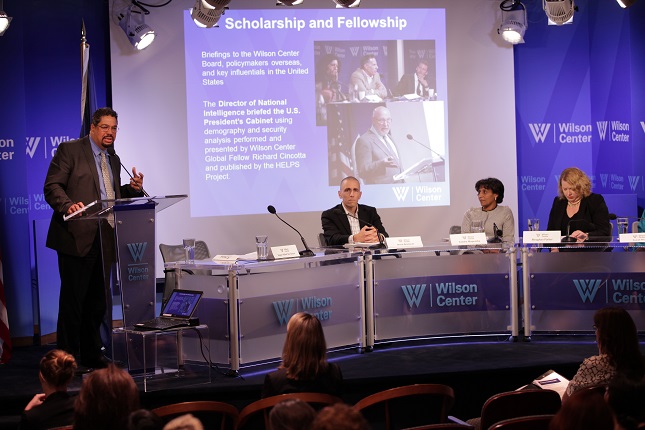
›Just a few years ago, progress on global family planning and reproductive health policy seemed to be stuck in a rut. “For 20 years, development money for health had been directed to fight HIV and poverty, and as a result, momentum, interest, and funding for family planning had dwindled,” said Susan Rich, vice president of global partnerships for the Population Reference Bureau (PRB), at the Wilson Center on July 15. “Unmet need for family planning was high all over the world, but especially in Africa.” [Video Below]
-
Alex Evans, The Guardian
Addis Financing Summit Leaves Questions – Will the SDGs Provide Answers?
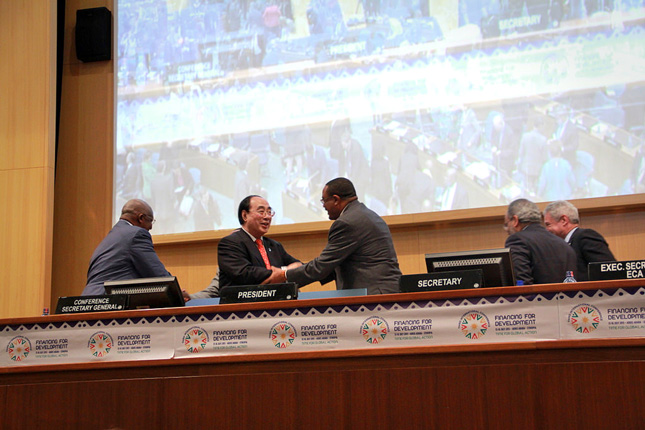
›July 24, 2015 // By Wilson Center StaffStart with the good news from this week’s finance for development conference in Addis Ababa: at least it got the narrative right.
Showing posts from category Ethiopia.