-
Climate Finance as a Tool for Global Stability
›
The relationship between climate vulnerability and political instability is clear. Twenty-two of the 30 countries ranked as the most vulnerable to climate change in 2025 also were categorized as fragile and/or conflict affected. Within this contexts, the need for solutions that address the intersection of climate risks and instability is increasingly dire.
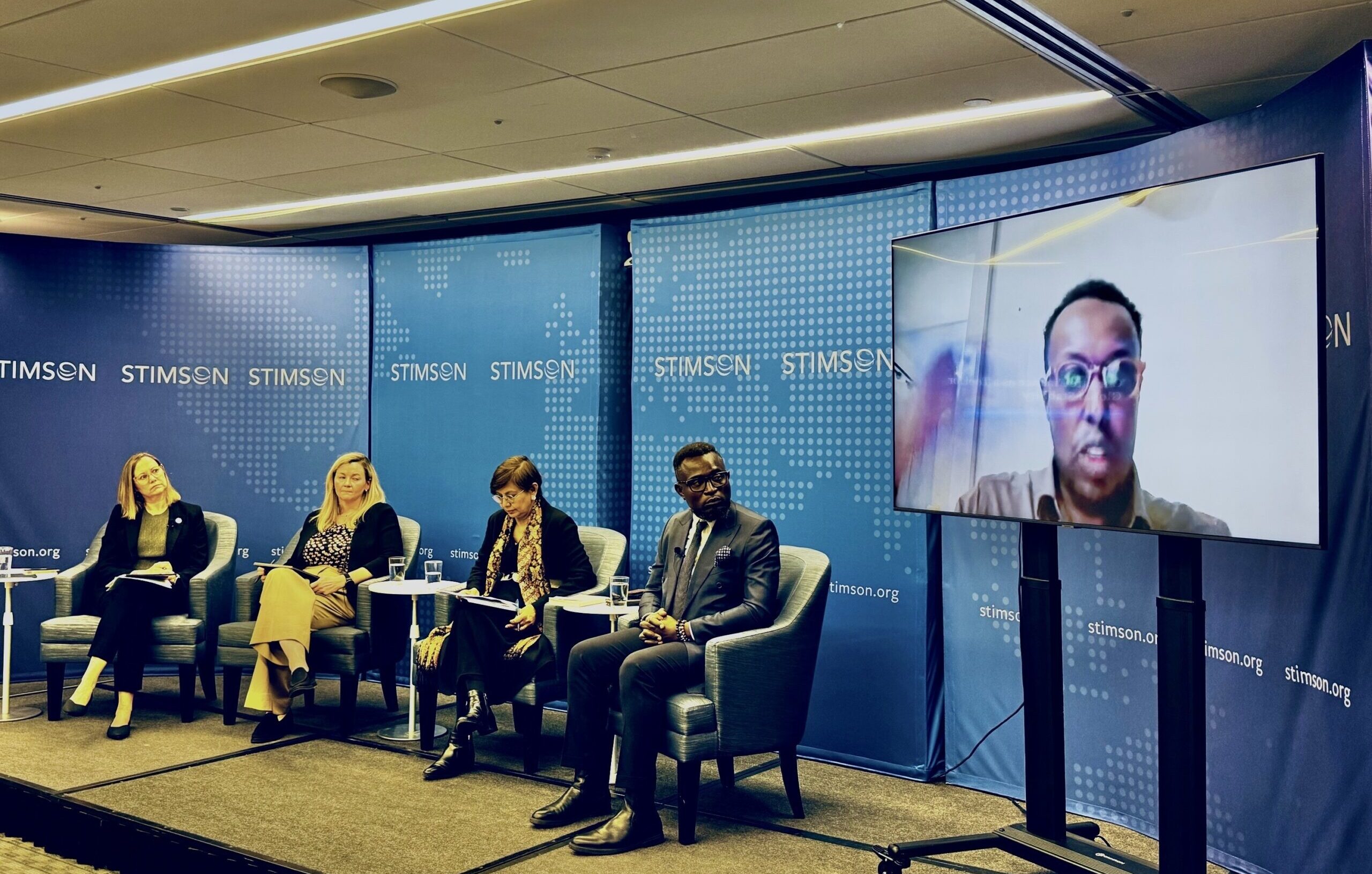
A recent Stimson Center event hosted with the Green Climate Fund (GCF)—Climate Finance as a Tool for Global Stability—examined how early climate investments in climate adaptation, food systems, and water security can reduce the risk of conflict and displacement.
-
Powering Peace: Can Renewable Energy Help End Africa’s Conflicts?
›
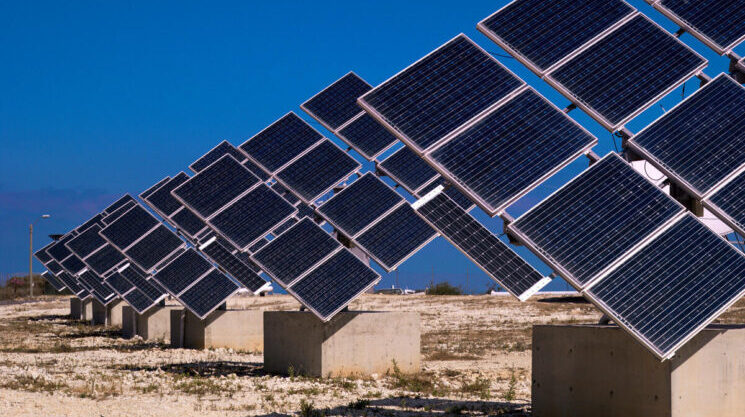
When armed groups began threatening a community in the Democratic Republic of Congo (DRC) that had recently gained access to solar-powered electricity, something unexpected happened. Rather than flee, residents rushed to protect their mini-grid. They put themselves at risk to keep the lights on.
-
Ofir Drori on how EAGLE Confronts the Criminal Networks Driving Africa’s Wildlife Crisis
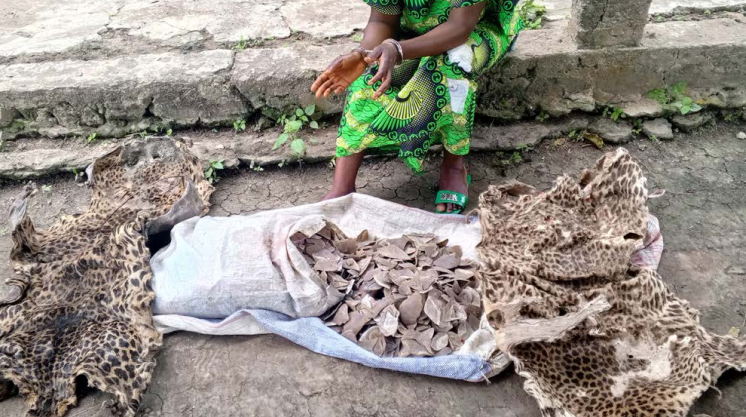
›Wildlife trafficking is one of the most lucrative and destructive criminal enterprises in the world. Valued at more than $20 billion annually, these criminal networks impact more than 4,000 plant and animal species across 162 countries and territories. Yet for decades enforcement efforts focused narrowly on poachers, missing the broader criminal foundation that makes the trade resilient: the corrupt officials, armed non-state actors, and agile transnational networks.
-
Environmental Security Weekly Watch: April 20-24, 2026
›A window into what we’re reading in the Stimson Center’s Environmental Security Program
The Bolivian Cacao Farmers Taking on the Gold-Mining Industry (The Guardian)
Cacao farmers in Bolivia’s Alto Beni and Palos Blancos municipalities successfully pushed for local mining bans in 2021, protecting their organic agroforestry land from the destructive gold rush sweeping the region. Gold prices are up over 64% since 2020—intensifying illegal and legal mining across Bolivia, driving deforestation, mercury poisoning, flooding, and encroachment into protected national parks. Communities near active mining zones report polluted rivers, declining fish populations, and mercury-related illnesses.
-
Environmental Security Weekly Watch: February 16-20, 2026
›A window into what we’re reading at the Stimson Center’s Environmental Security Program
Rapid Central Asia Glacial Melt Threatens Water Security (The Diplomat)
A recent study projects that the Tian Shan mountains, the primary freshwater source for millions across Central Asia and China’s Xinjiang region, will lose approximately one-third of their glacier area before 2040. Already, the region has seen a 27% drop in glacial mass and an 18% drop in areas over the last 50 years. The Tian Shan’s smaller glaciers respond more rapidly to warming temperatures, as rising temperatures reduce the snowfall that historically replenishes glacial mass. These glacial and meteorological conditions create a compounding effect that makes the Tian Shan more vulnerable than the larger, slower-responding glaciers of the Karakoram, Pamir, and Himalaya ranges.
-
Gender Confluences and Divides: Insights from a New Afrobarometer Survey
›The latest poll in a series of Afrobarometer surveys reveals just where Africans unite on sexual and reproductive health and rights (SRHR)—and where they diverge. There is strong support for women’s autonomy in marriage and reproductive decisions, but clear divisions on contraceptive access.
-
China’s Off-grid Solar Home Systems Light Up Lives in Sub-Saharan Africa
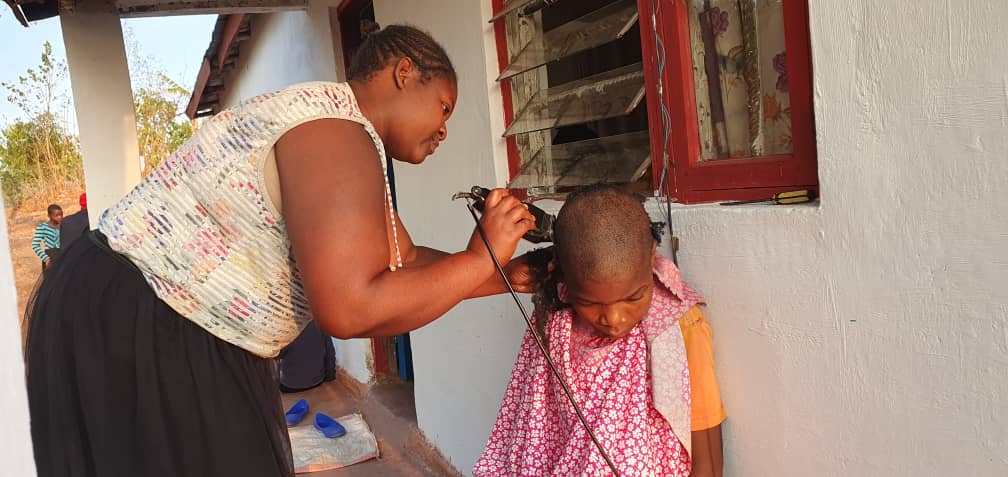
›China and the Global Energy Transition // China Environment Forum // Guest Contributor // July 10, 2025 // By Charles MpakaIn a rural, hard-to-reach area of Blantyre district in southern Malawi, Ephraim Louis cannot imagine where his life would be without the solar panel on the roof of his house. “I am not a captive of darkness anymore,” says Louis, 42. “It’s been more than 10 years since I installed this [solar panel] system. We still don’t have the main grid anywhere near us and no one here thinks it will ever come.”
-
Lights On or Off? Chinese Solar and Wind Companies in Sub-Saharan Africa
›Africa in Transition // China and the Global Energy Transition // China Environment Forum // Guest Contributor // November 21, 2024 // By Xiaokang XueWhen I stepped into the bustling exhibition hall at Enlit Africa in Cape Town in May 2024, I was surprised by the riot of colorful banners featuring Chinese characters. A whopping 40% of the exhibitors at one of Africa’s largest energy and power conferences in Cape Town from China—more than any other country.
Showing posts from category Africa.