-
Everybody Counts: Saving the World One Condom at a Time
› Can we save the world one condom (or birth control pill) at a time? The third episode of Everybody Counts, hosted by Jennifer D. Sciubba, a professor of political demography at Rhodes College, makes the case that family planning is the foundation of peace and security by highlighting the links between population growth and political instability.
 -
“The River Belongs to the People”: Building Cooperation in the Mara River Basin
›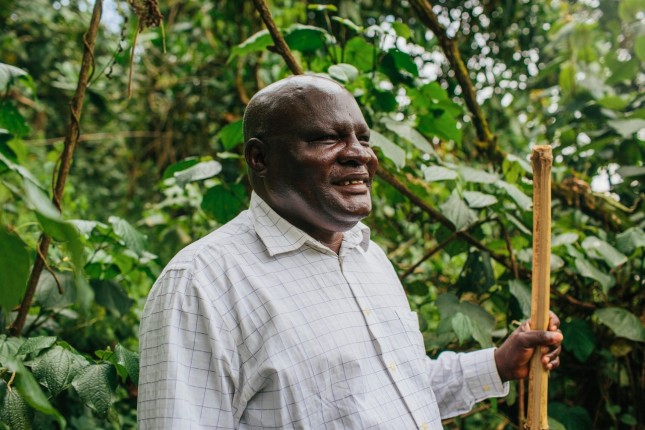
Water engineer Gordon Mumbo of USAID’s Sustainable Water Partnership grew up in the small Kenyan village of Kamuga. Year after year, he watched as frequent floods from one of Kenya’s major rivers, the Nyando, disrupted village life. After 30 years of a wide-ranging career in water, for the first time since his childhood, he has returned to his birthplace, where he leads a team building community engagement in the Mara River basin.
-
Everybody Counts: Maternal Mortality
›It’s 2018, so why are women still dying in childbirth? This episode of Everybody Counts, hosted by Jennifer D. Sciubba, a professor of political demography at Rhodes College, explores why maternal mortality is a global issue, what policy solutions can keep mothers healthy, and why valuing women is at the heart of the issue. -
Everybody Counts: New Podcast Series on How Global Population Trends Shape Our World
›From mass urbanization to massive refugee flows, high fertility to record low birth rates, global population is changing in unprecedented ways. “Everybody Counts,” a new podcast series hosted by Rhodes College Professor and Wilson Center Global Fellow Jennifer D. Sciubba, launches a lively and thoughtful conversation about the ways human population shapes our world and how we live today. -
This Indian Women’s Union Invented a Flexible Childcare Model
›In 1971, the wives of textile workers in Ahmedabad, western India, became the main earners in their families overnight, after several large textile mills closed down. They were part of the 94 percent of India’s female labor force working in the informal sector—recycling waste, embroidering fabric, and selling vegetables—and thus they remained largely invisible to the government and to formal labor unions. In response, Ela Bhatt, a young lawyer, met with 100 of the women in a public park to establish the Self-Employed Women’s Association (SEWA), which would later register as a trade union and swell to the two million members it boasts today. -
Building Coastal Resilience to Protect U.S. National Security
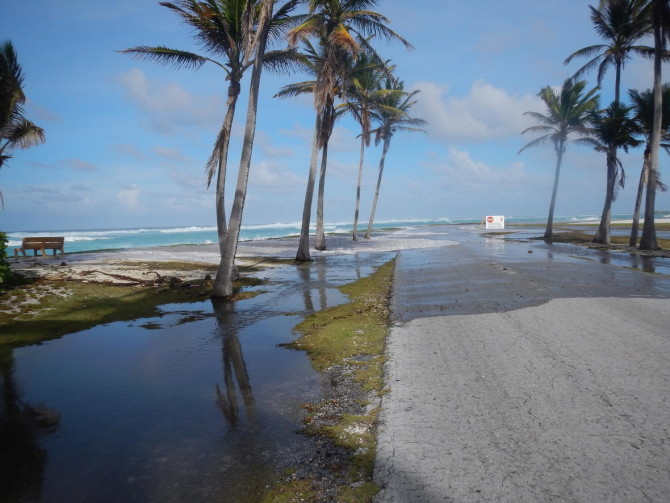
›June 28, 2018 // By Wilson Center StaffAs the Atlantic hurricane season kicks off this month, some coastal communities in the United States and small-island nations in the Caribbean are still recovering from last year’s record-breaking damage. At the same time, the heavy rains pounding the East Coast this week are part of a long-term trend towards more severe heavy rainfall events that have led to deadly floods and threaten critical U.S. military bases. Even on sunny days, cities such as Norfolk and Manila contend with high tide or “nuisance” flooding—a phenomenon that has increased as much as nine-fold since the 1960s, according to NOAA.
-
How Family Planning Can Help Save Cheetahs
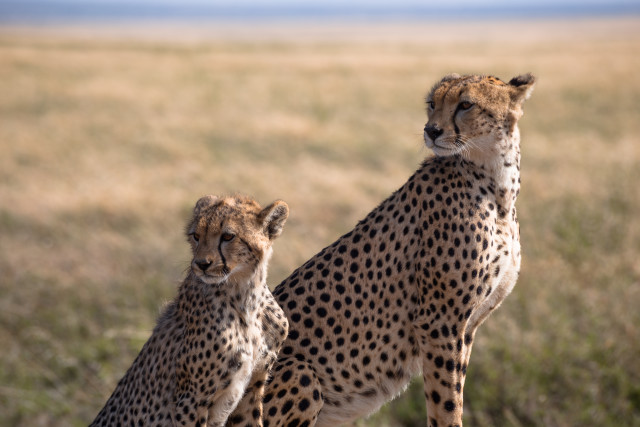
›Conservationists and development practitioners may not have always seen eye to eye, but a new partnership between a cheetah conservation charity and a network of reproductive health NGOs is making the case for why these groups need to work more closely together.
-
How to Advance the Monitoring of Climate Risk Insurance
›One of the most recent and promising tools to cope with the consequences of the rising number of disasters is climate risk insurance. In exchange for an annual premium, they quickly provide states and other actors (including individuals) with much-needed cash to cope with the impacts of natural hazards such as hurricanes, droughts, and floods. Within certain parameters, policyholders are largely free to determine how they want to use the payouts. The African Risk Capacity (ARC), the Caribbean Risk Insurance Facility (CCRIF), and the Pacific Catastrophe Risk Insurance Facility (PCRAFI Facility) serve as cases in point. To date, they have made 44 payouts to 19 countries totaling about US$ 173 million. Simply put: they work.
Showing posts by Wilson Center Staff.
 Can we save the world one condom (or birth control pill) at a time? The third episode of
  From
From 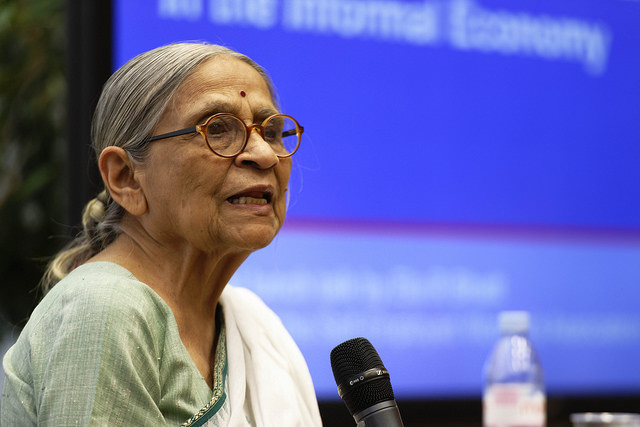 In 1971, the wives of textile workers in Ahmedabad, western India, became the main earners in their families overnight, after several large textile mills closed down. They were part of the 94 percent of India’s female labor force working in the informal sector—recycling waste, embroidering fabric, and selling vegetables—and thus they remained largely invisible to the government and to formal labor unions. In response, Ela Bhatt, a young lawyer, met with 100 of the women in a public park to establish the Self-Employed Women’s Association (SEWA), which would later register as a trade union and swell to the two million members it boasts today.