-
Reducing Nitrogen Losses to Protect Food and Environmental Security
May 18, 2026 By Barry Rabe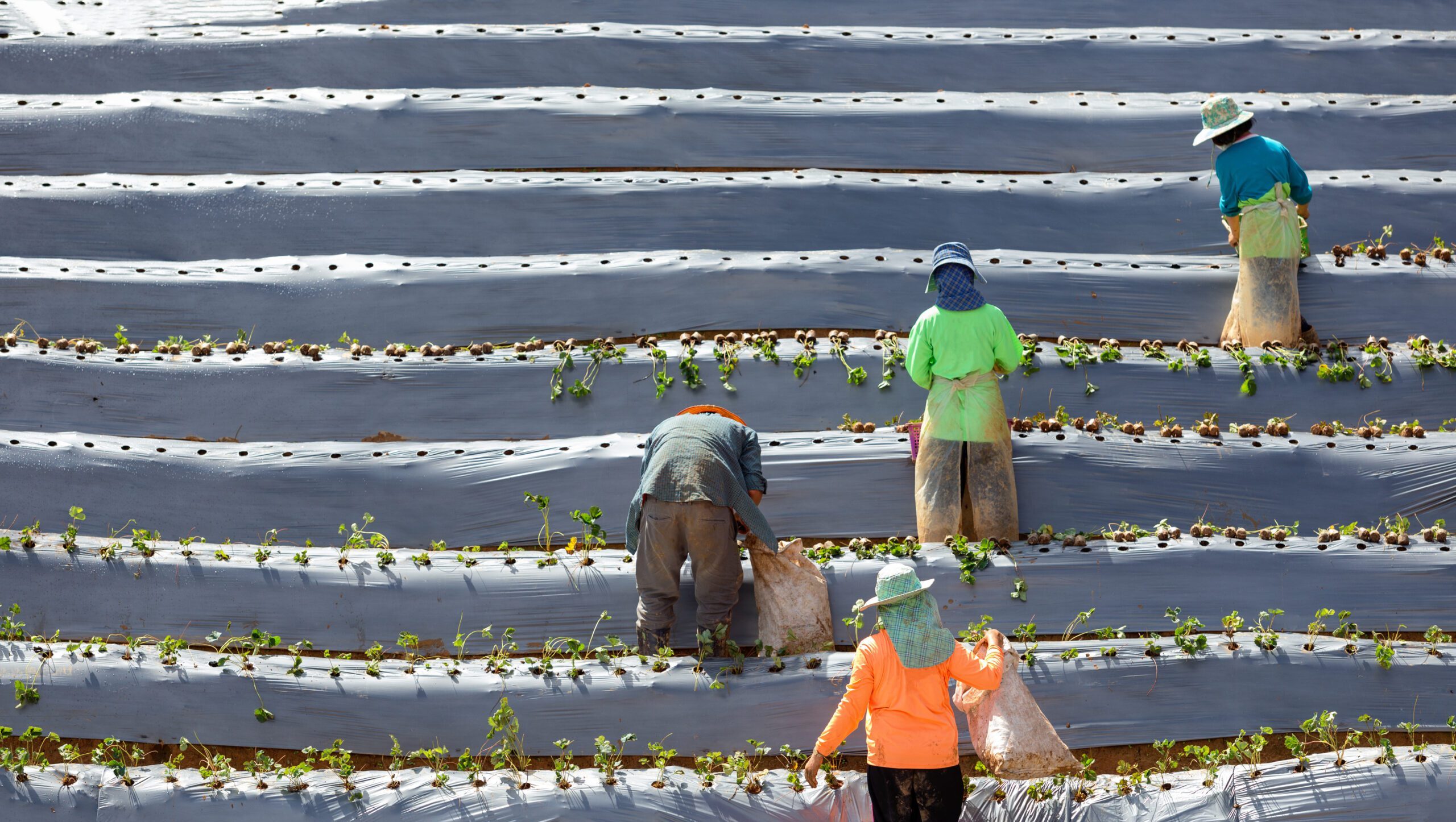
The ongoing conflict between the United States, Israel, and Iran imposes significant costs beyond the immense loss of life and destruction of vital infrastructure throughout the region. It also exacerbates the challenges posed by synthetic fertilizers, which play an essential but problematic role in feeding the planet.
The availability and cost of these fertilizers—which provide crops with nitrogen essential to their growth—has been a long-standing concern which is now compounded by the war. One-third of global nitrogen fertilizer shipped by sea passes through the Straits of Hormuz. Synthetic fertilizer production also is dependent on fossil fuel feedstocks, and about one-fifth of global liquified natural gas also must navigate Hormuz passage as well. All of this is in addition to mounting global tariffs that have already elevated costs on fertilizer that crosses national borders.
At the same time, the boon that these materials offer in battling hunger presents burdens beyond supply and price tag. Synthetic fertilizers also impose risks to environmental security, including major impacts on water quality through nitrogen runoff into water bodies that causes eutrophication. They also represent a major threat to ozone layer stability and generate climate “super-pollutants” through the intensive warming impacts of nitrous oxide emissions—which are the third most consequential greenhouse gas after carbon dioxide and methane.
Emerging Policy Alternatives
No global policy framework exists at present to reduce synthetic fertilizer costs or related environmental concerns—either through a more efficient application, or farming options such as planting cover crops or reducing tillage, or alternative fertilizers. Indeed, any serious agricultural policy reform discussion routinely faces a formidable political opposition which preserves conventional production and use patterns.
Yet recent developments in the Middle East may heighten interest in developing alternatives to heavy synthetic fertilizer use. Indeed, a growing number of nations have started to do so in recent years, creating a menu of different policy tools designed to reduce their dependence on them. Collectively, these initiatives offer a unique opportunity to monitor their performance over time and base future policy on established practice rather than theory. What are these new tools?
Shifting Incentives. Global agriculture is supported by a tapestry of national industrial policy strategies, including far-reaching subsidies to support existing practices. The United Kingdom has begun phasing out conventional farm payments based on total output and compensation for various setbacks limiting production. The country is now shifting toward incentive payments to farmers who take steps to reduce their environmental impacts, including those linked to synthetic fertilizers.
For instance, British reality television star Jeremy Clarkson initially purchased a farm as a tax break. Yet this former racecar driver routinely confronted numerous challenges involved with contemporary farming, including sudden spikes in fertilizer costs following the outbreak of war in Ukraine. This led him to explore alternatives to promote healthier soil and reduce synthetic fertilizer use, and a national shift toward performance incentive payments offered further incentives.
This approach has begun to gain traction elsewhere, including in American states such as Nebraska and Minnesota. Yet initial American federal efforts to pursue this path ended last year when Congress reversed relevant provisions of the 2022 Inflation Reduction Act.
Advanced Technology and Regulation. China has adopted a more precise use of synthetic fertilizers amid mounting evidence of inefficient global application practices that waste substantial amounts of these materials. A stabilization in fertilizer use growth there in the mid-2010s was followed by subsequent reductions reflected in declining nitrous oxide emissions from agriculture.
China’s approach places a major emphasis on sophisticated soil testing, optimized fertilizer application, and active consideration of slow-release, water-soluble, and organic options. Its interest in this issue reflects both economic considerations and profound water quality problems linked to fertilizers, including extensive eutrophication and algal blooms.
Pricing. The European Union remains a cautionary tale on the politics of moving aggressively with multiple policy tools at both continental and national levels to confront the environmental harms posed by growing crops and raising livestock. Initial EU efforts led to considerable protest in some nations, and most notably in the Netherlands.
Europe has since dialed back its ambitions. Yet it also has expanded some incentive programs while pursuing novel experiments with emission pricing tools which have been focused traditionally on carbon dioxide. The continent-wide Emissions Trading Scheme (a cap-and-trade program) is expanding to address synthetic fertilizer production, and includes imports under its carbon border adjustment system. Individual nations have adopted complementary policies, including Denmark’s plan to tax agricultural nitrous oxide and methane releases and apply revenues to support next-generation farming. This move followed an extensive negotiation process involving farmers, government, labor, and environmental groups.
Domestic Production. Even before the increases in tariffs and the current disruption in the Middle East, India sought to reduce its dependence on imported chemical fertilizers and invest in expanding domestic output. It has emphasized localized production of nano urea fertilizer in liquid form which is sprayed directly onto plant leaves to improve nutrient use efficiency. Testing of the overall impact of this innovation remains in its early stages, however. India also is exploring ways to combine different types of fertilizers to reduce overall environmental impacts, with some parallels to practice in China.
Emissions Cap and Research and Development. Canada is seeking to achieve a 30 percent overall reduction cap for nitrous oxide emissions linked to fertilizers from 2020 levels by 2030. Yet it still lacks a clear policy plan to achieve those goals. A major national research and development effort has been launched to explore viable options to do so. Canada’s effort also is designed to build provincial and national networks to guide pursuit of best practices to limit nitrogen losses in agriculture, and extend earlier innovations being tested at the provincial level.
National Experimentation and a Global Best Practice Model
One thing that unites these diverse shifts in policy is that they were initiated before the heightened challenges to fertilizer supply and cost linked to Middle Eastern conflict. These governments increasingly have recognized both the essential role of nitrogen in agriculture and the economic and environmental downsides of excessive reliance upon them. Many of these policies do remain in very early implementation stages, however. Rigorous analysis will be essential to assess their durability and effectiveness over time.
Yet the collective pursuit of these initiatives indicates that a serious race has begun to find ways to feed the planet while pursuing more sustainable paths to do so. This new momentum represents a departure from recent decades in which synthetic fertilizer production and use received little policy attention—and continued global expansion seemed inevitable.
Looking ahead, it remains unclear whether these current moves by individual nations to fashion their own strategies will endure, or even ultimately feed into a larger international effort. One durable and effective global policy already exists that could be applied to future nitrogen fertilizer releases. The Montreal Protocol addressing ozone layer depletion was launched in the 1980s and remains the gold standard of effective international environmental policy. The Kigali Amendment to Montreal adopted in 2016 has accelerated international competition among various synthetic and natural alternatives to find ways to further reduce both ozone layer and climate risks from chemicals used primarily for refrigeration and air conditioning.
Nitrous oxides constitute the biggest remaining threat to future ozone layer health. So the accelerating transition to address them is welcome. Since synthetic fertilizers are the largest single global source of nitrous oxides, the question of whether Montreal could be further adapted to address them in some manner warrants closer review. As was the case under Kigali, global policy could be guided by emerging national models of best practice, encouraging a competitive race to the top in defining next-generation agriculture and environmental protection
Barry Rabe is the Arthur Thurnau Professor Emeritus of Environmental Policy in the Gerald R. Ford School of Public Policy at the University of Michigan.
Sources: Balsillie Papers; Carbon Chain; Council of State Governments Midwest; Current Opinion in Environmental Sustainability; The Economist; Emissary; Environmental Research Letters; Institute for Global Decarbonization Progress; MIT Press; World Resources Institute
Photo Credits: Licensed by Adobe Stock.
 A Publication of the Stimson Center.