-
A New Oil Crisis Stress-Tests the Global Energy Transition
›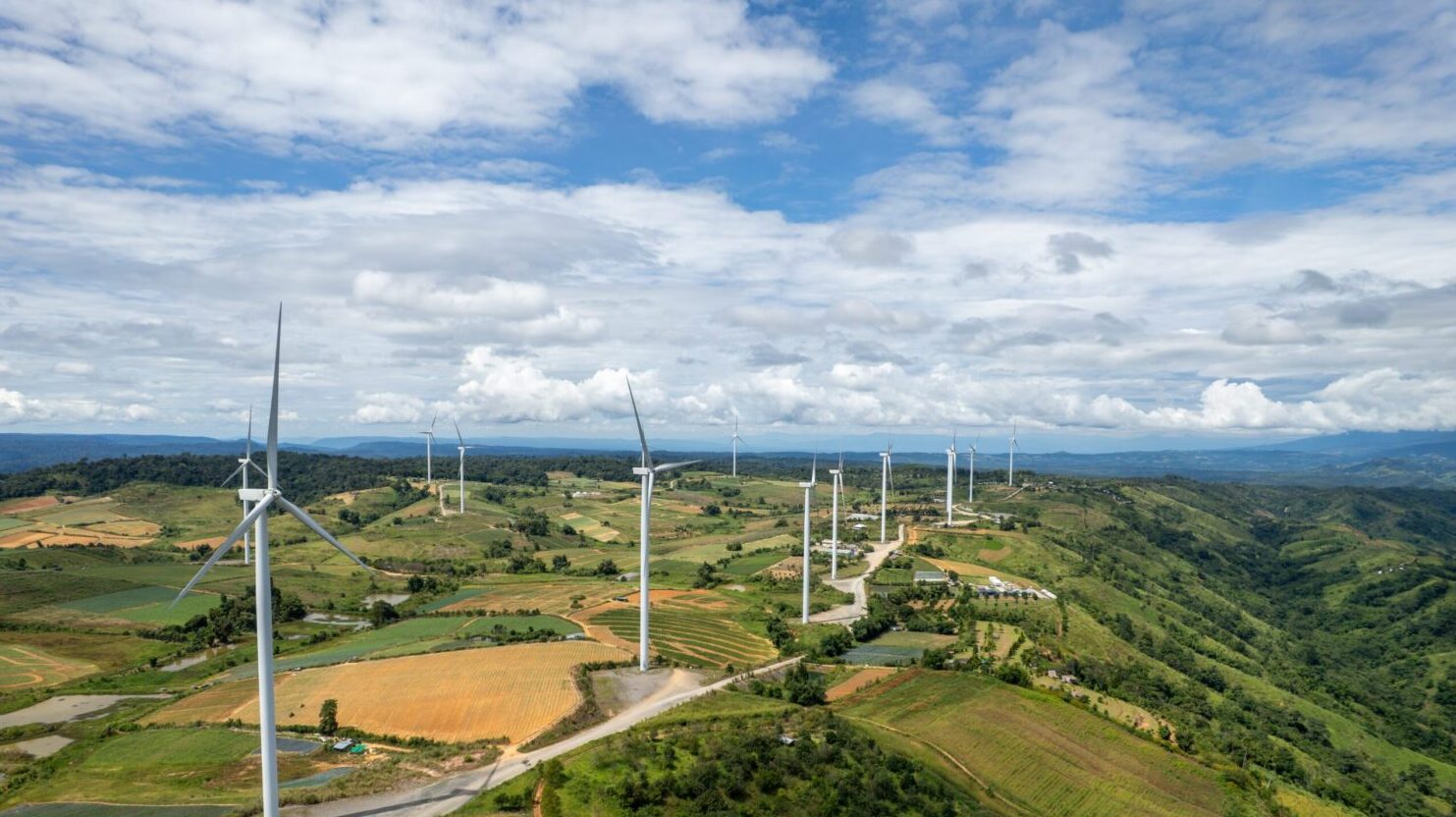
The US–Israeli war launched against Iran in 2026 may be remembered as the moment fossil-fuel dependence became more than a mere abstraction for the Global South. Brent crude quickly surged past $100 a barrel. Iran militarized the Strait of Hormuz (through which 20 million barrels a day, or a fifth of global oil consumption, normally flow) and retaliated against regional energy infrastructure. Qatar declared force majeure on its liquefied natural gas exports after Iranian drone attacks. Saudi Aramco’s Ras Tanura refinery shut down.
-
Environmental Security Weekly Watch: February 16-20, 2026
›
A window into what we’re reading at the Stimson Center’s Environmental Security Program
Rapid Central Asia Glacial Melt Threatens Water Security (The Diplomat)
A recent study projects that the Tian Shan mountains, the primary freshwater source for millions across Central Asia and China’s Xinjiang region, will lose approximately one-third of their glacier area before 2040. Already, the region has seen a 27% drop in glacial mass and an 18% drop in areas over the last 50 years. The Tian Shan’s smaller glaciers respond more rapidly to warming temperatures, as rising temperatures reduce the snowfall that historically replenishes glacial mass. These glacial and meteorological conditions create a compounding effect that makes the Tian Shan more vulnerable than the larger, slower-responding glaciers of the Karakoram, Pamir, and Himalaya ranges.
-
When Climate Extremes Don’t Lead to Conflict: Evidence from the Pacific Islands
›The article was adapted from “Local Resilience Can Mitigate Climate Conflicts in the Pacific,” published by Global Outlook.
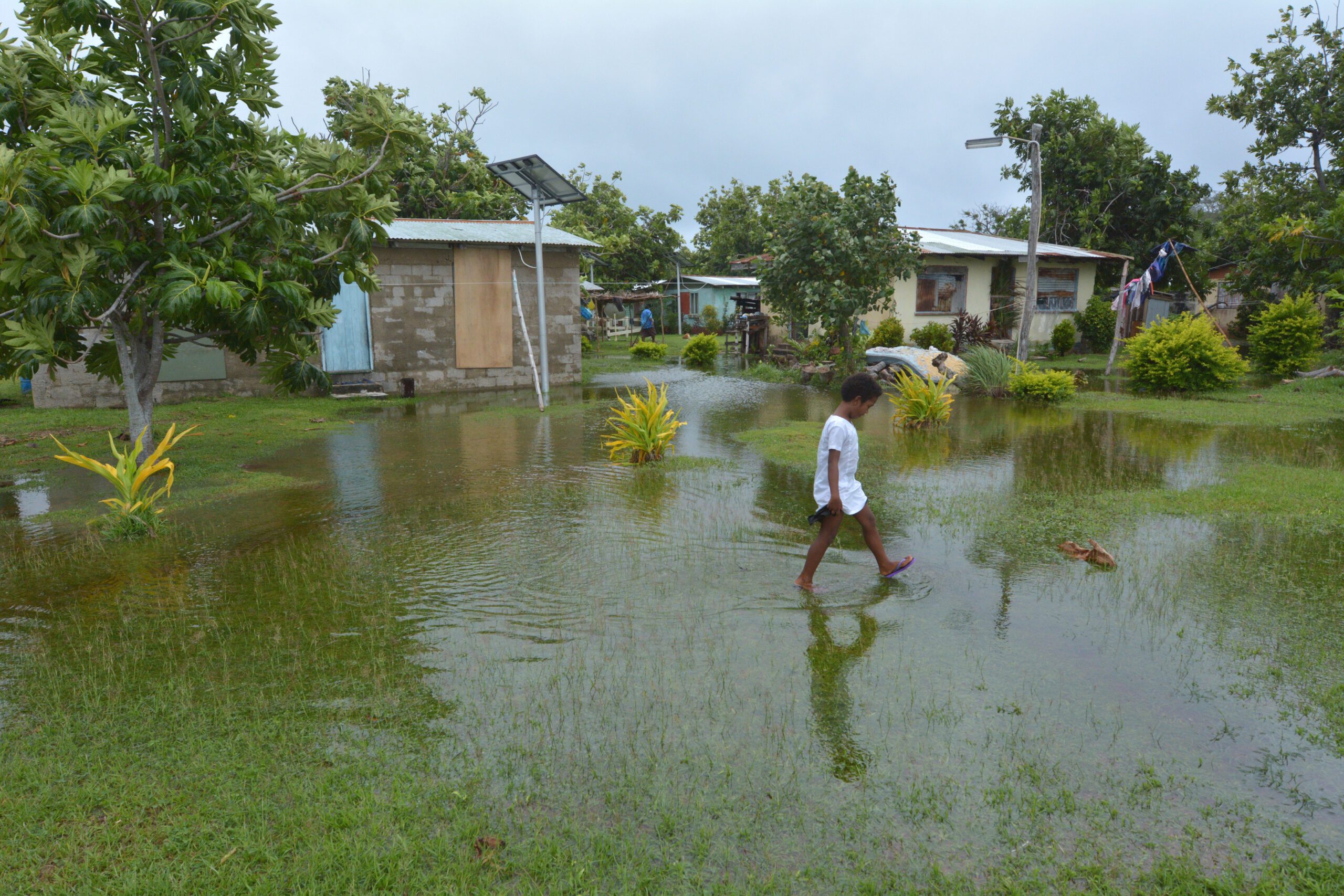
Pacific Island countries sit at the frontline of climate change. Many consist of small, low-lying islands, with long coastlines and vast ocean spaces between them. Livelihoods often depend on agriculture and fishing, and importing water or food is often infeasible or expensive. This makes those large ocean nations highly vulnerable to the impacts of climate change, such as storms, droughts, and rising sea levels.
-
“Radioactive Fish” and Geopolitics: Economic Coercion and China-Japan Relations
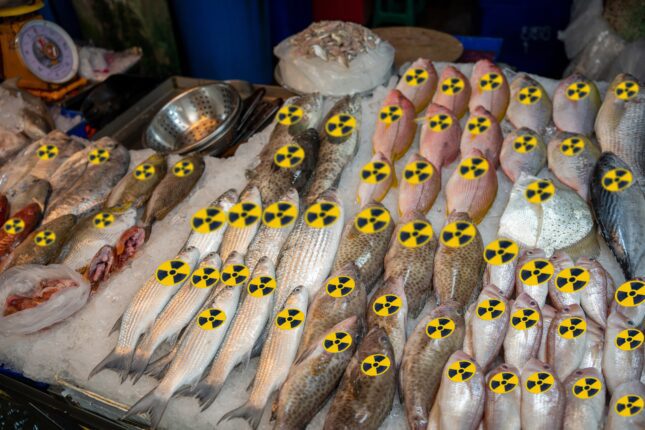
›On the same day Japan began wastewater releases from the Fukushima nuclear power plant in late August 2023, the website of China’s customs agency announced the country would “completely suspend the import of aquatic products originating from Japan.”
-
Blue Jeans Contaminating Blue Oceans: The Expanding Microfiber Footprint of Our Clothes
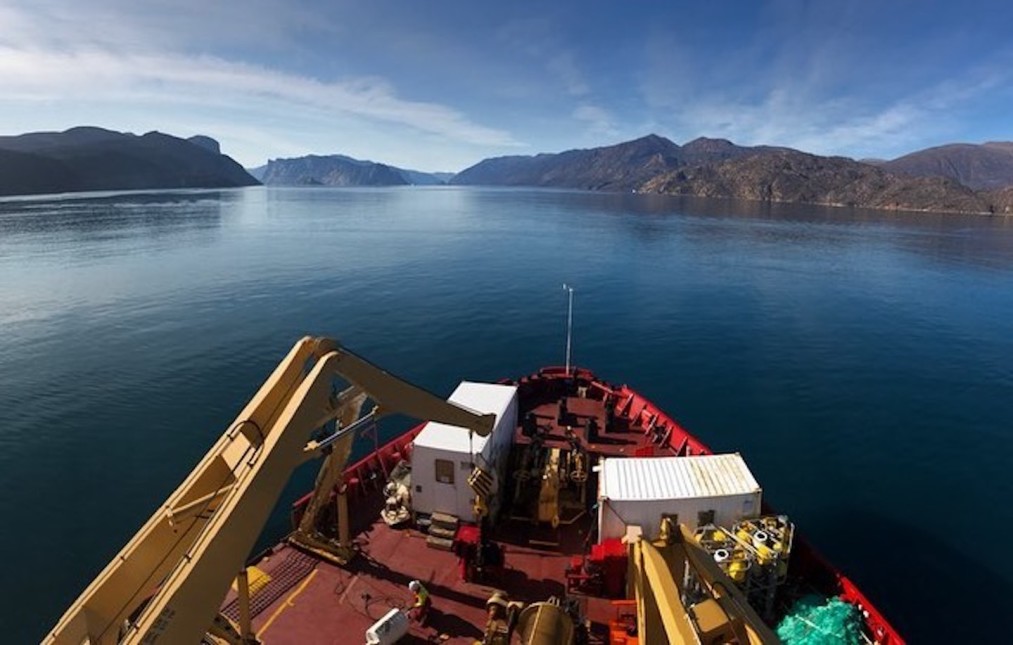
›The Arctic is believed to be a pristine environment, far removed from littered city streets and toxic industrial emissions. I study human pollution and I found it hard to believe that my fellow researchers and I would find so much litter out here. It was even harder to believe that what we uncovered closely resembled the contents of my own closet, over 3,000 kilometers (2,000 miles) away in Toronto. -
Hitting the Brakes on Plastics in China’s Food Delivery Industry: Q&A with Zheng Xue and Sherry Lu of Plastic Free China
›China Environment Forum // Q&A // November 4, 2021 // By Solange Reppas, Mingwei Zhu, Tongxin Zhu & McKenna PotterIn every Chinese city, there is an army of motorcycles and mopeds weaving through the traffic jams, and sometimes even venturing on sidewalks, to deliver millions of food and e-commerce orders each day. Meituan, one of China’s most popular food delivery apps, delivers 30 million orders a day, serving up 100 million plastic containers. According to Greenpeace, e-commerce and express delivery in China generated 9.4 million tons of packaging waste in 2018 and will likely triple to 41.3 million tons by 2025. -
U.S. and Chinese Aquaculture Taps into a Carbon-Free Geothermal Energy Source
›From Friday night fish fries to shrimp cocktails, people sheltering in place have learned how to cook their favorite dishes at home. As a result U.S. seafood sales have doubled during the pandemic. Globally, the United States ranks fifth in seafood consumption and China—where hunger for seafood has skyrocketed with rising incomes—is number one. While wild fisheries are on the decline, aquaculture is expanding to increase the global food supply.
-
China’s National Emissions Trading Scheme is Just One Piece of the Mitigation Puzzle
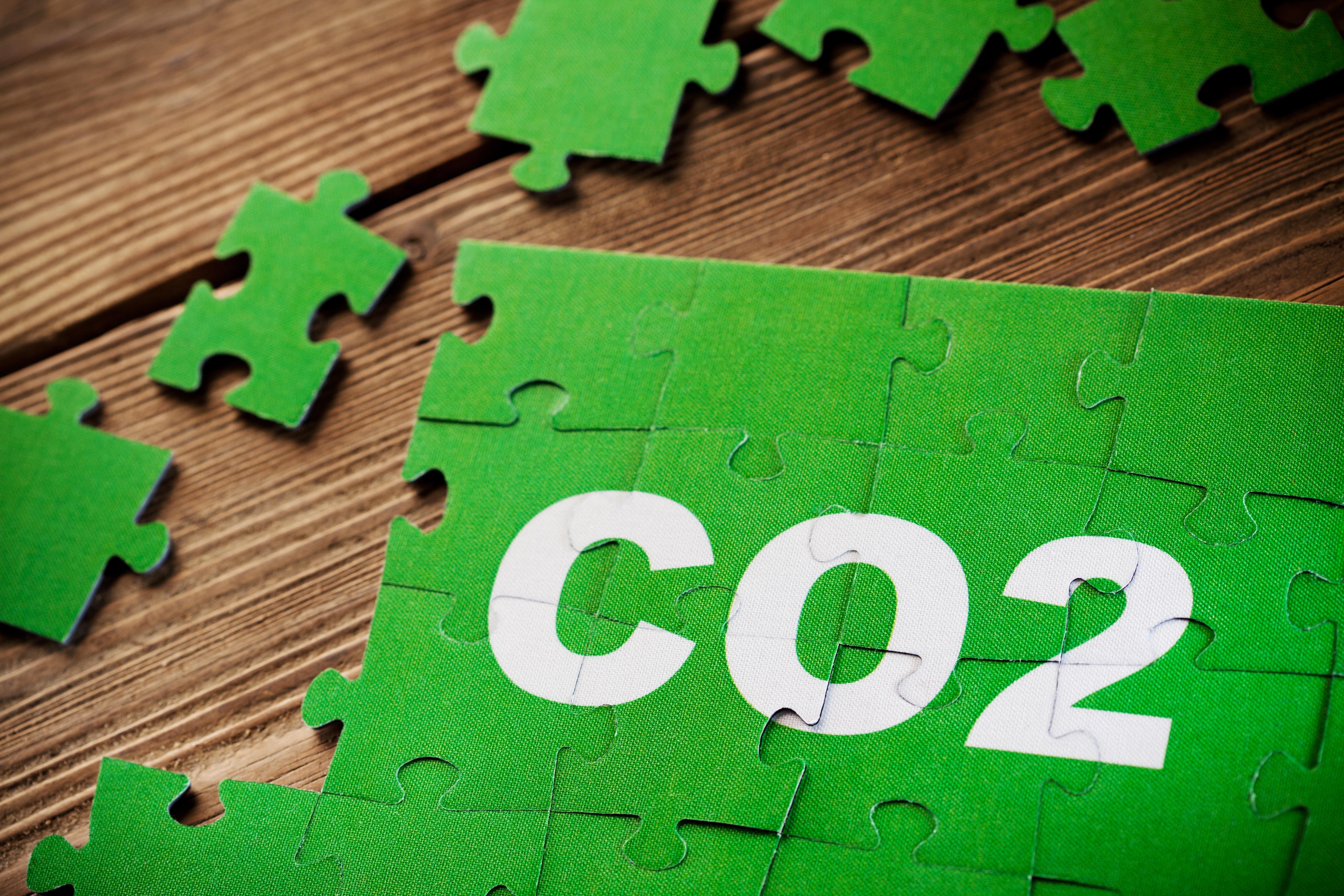
›On July 16, 2021, after nearly two decades of research and preparation, China finally opened what is now the world’s largest national emissions trading scheme (ETS). The much anticipated move follows the central government’s ambitious pledge to reach peak CO2 emissions before 2030 and achieve carbon neutrality before 2060. Several Chinese cities and provinces, including Shanghai, have been operating ETS pilots for several years. For Shanghai, the rollout of China’s national ETS bolsters its existing carbon marketplace and complements the multitude of other local and national decarbonization initiatives the city is undertaking. The national scheme is an encouraging step in China’s climate action, but on its own it is not a silver bullet to decarbonize the economy.
Showing posts from category Asia.