-
Sustainable Responses to Human Mobility, Climate Change, and Conflict
›
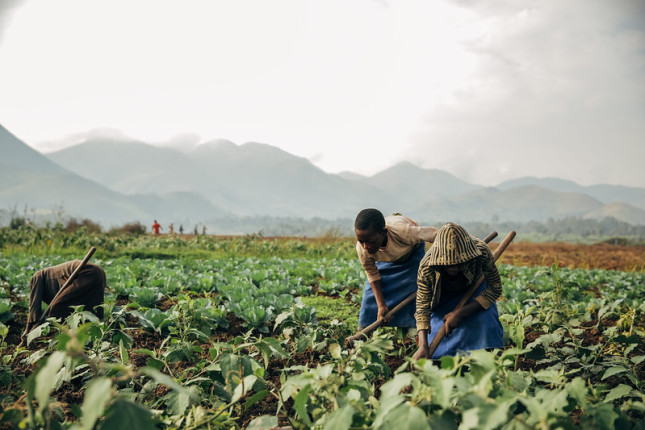
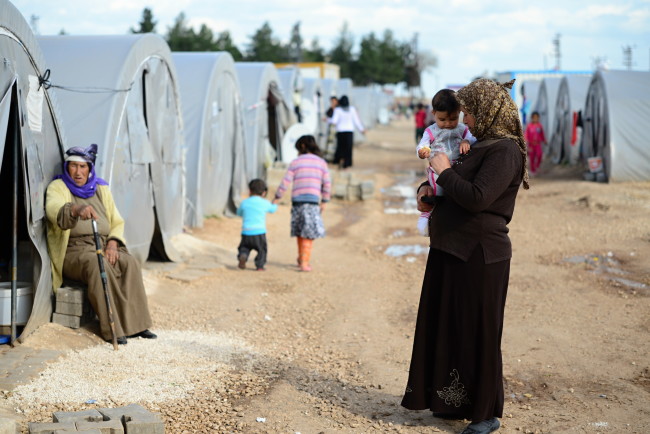
“We should not see people moving as a security threat. People do not move if they’ve got a better option. As a community, one of our responsibilities is to provide people with the options,” said Andrew Harper, Special Advisor to the UNHCR High Commissioner for Climate Action, at a discussion on human mobility, climate change, and conflict hosted at the 2021 Berlin Climate and Security Conference. “We need to ensure that projects and activities that have been put in place are not short term, but are geared up to be addressing the challenges that the world will be facing within five to ten years’ time.”
-
All Systems Go: Integrating Climate Security Across the U.S. Government
›
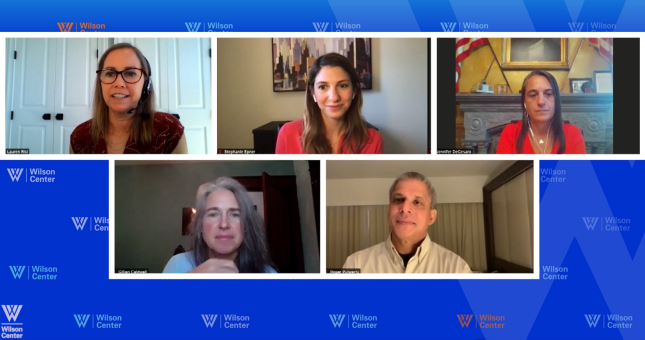
“We are really taking a whole-of-government approach to address the challenges posed by climate change,” said Jennifer DeCesaro, Director for Climate Security and Resilience at the U.S. National Security Council, at a recent Wilson Center event hosted as part of the 2021 Berlin Climate and Security Conference. President Biden has taken an unequivocal position on climate change: The administration’s first order of business was to issue a series of executive orders aimed at catalyzing climate action. Putting the full institutional weight of the U.S. government behind this agenda requires a re-orientation of domestic and international security, development, and diplomacy. Creating “new muscle memory” on how we approach these typically siloed challenges is essential to elevating climate policy, said DeCesaro.
-
The Top 5 Posts of September 2021
›New strategies can help the United States develop a more effective approach to climate change. In our top post this month, Cynthia Brady, Liz Hume, and Nick Zuroski explain the need for addressing and integrating conflict prevention and climate risks into foreign policy and development assistance—and provide recommendations for how to better integrate conflict and climate risks into U.S. decision-making.
-
Decarbonization in the United States and China: Fast and Furious Enough?
›A “code red for humanity”— that is how UN Secretary General António Guterres described the future climate scenarios laid out in the International Panel on Climate Change’s Sixth Assessment Report. According to the report, CO2 in the atmosphere has reached levels unseen in 2 million years, amplifying floods, droughts, and other environmental catastrophes around the world.
-
Mental Health Conditions Are the Most Common Complication of Pregnancy and Childbirth
›Having a new baby should be the happiest time in a family’s life.
But it doesn’t always work out that way.
During pregnancy or the first year following pregnancy, 1 in 5 women or childbearing people will experience anxiety or depression. In fact, mental health issues are the most common complication of pregnancy and childbirth, turning joy into sadness, loneliness, confusion, regret, and guilt.
I experienced postpartum depression and anxiety after my son was born 20 years ago. We had a very scary emergency C-section. He refused to take a bottle, and I was exhausted and overwhelmed as I struggled to care for a newborn and a toddler. I told my husband I wanted a divorce and ran away from home, truly believing my family would be better off without me. It took almost six months to find the help I needed.
-
Achieving SDG 6.2: Adequate and Equitable Sanitation and Hygiene for Who?
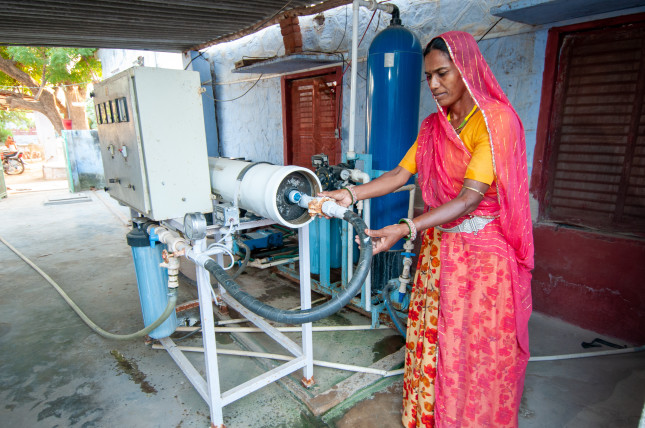
›International development organizations do not exist outside of global systems of oppression. However virtuous their intentions, the power held by development actors remains largely in the hands of the western elite, echoing colonial-era global dynamics.
-
Developing Data-Driven Solutions to Vietnam’s Ocean Plastics Problem
›
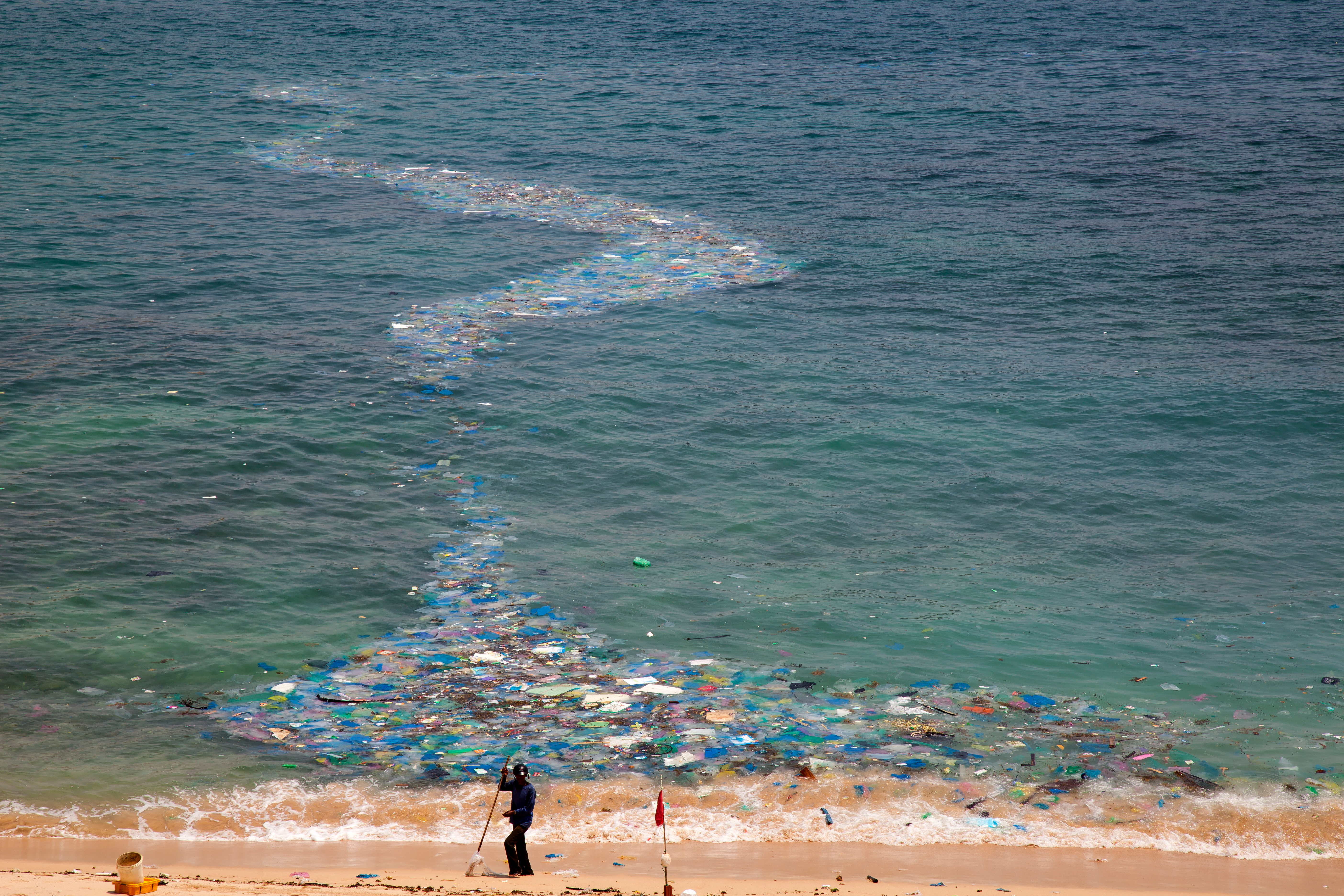
In December 2020, Vietnam’s Prime Minister Nguyễn Xuân Phúc signed the country’s National Action Plan for Management of Marine Plastic, setting an ambitious goal for the government to reduce marine plastic litter by 75 percent by 2030. Recent surveys indicate that plastics are the most prevalent and dangerous form of waste choking Vietnam’s beaches and waterways. Whether polystyrene, discarded nets, or mismanaged single-use plastics, these items are not just an eyesore, but they imperil the local ecosystem and fishing industry in Vietnam. -
Localized Responses to Gender-Based Violence Leave Women-led Organizations Behind
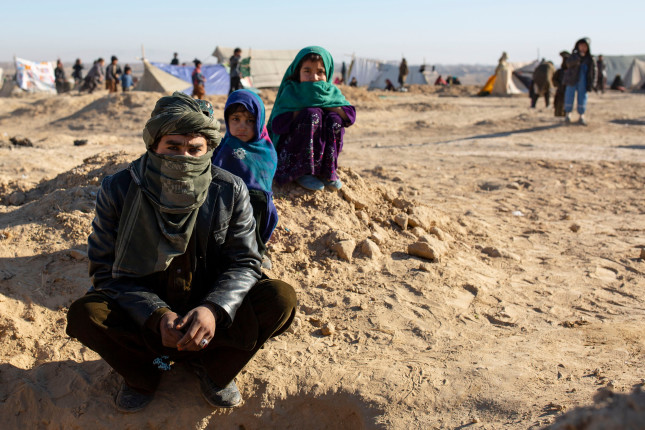
›One in five women who is forcibly displaced will experience sexual violence, said Charlotte Slente, Danish Refugee Council Secretary-General at a roundtable on the prevention of gender-based violence in humanitarian crises during the 76th session of the United Nations General Assembly. The high-level roundtable was hosted by the Government of Denmark in partnership with several other international bilateral agencies, as well as women-led organizations.*
 A Publication of the Stimson Center.