-
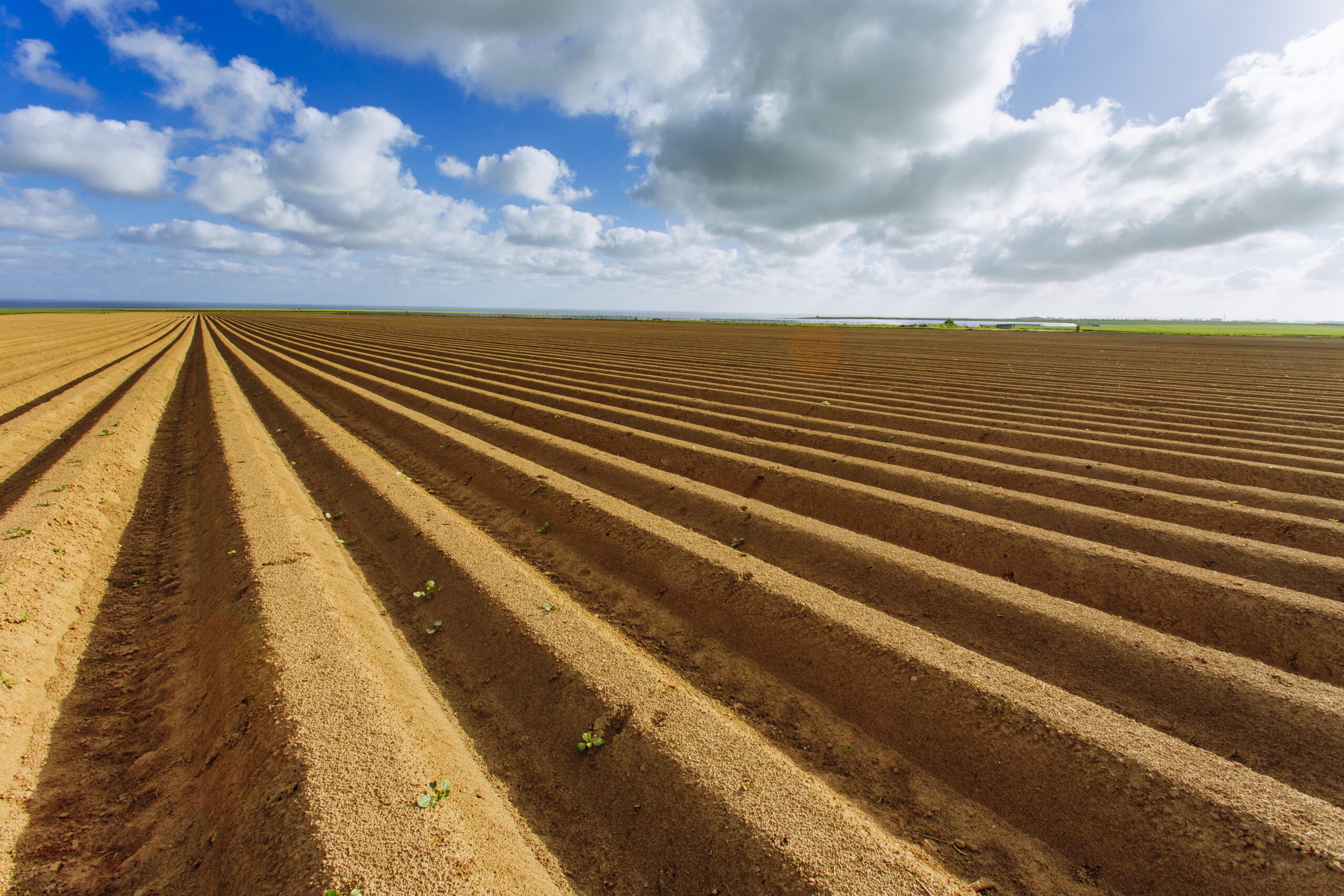
Climate Action on the Farm: Catalyzing a No-till Revolution in the US and China
›China Environment Forum // Cool Agriculture // Guest Contributor // February 1, 2024 // By Abigail Ordillas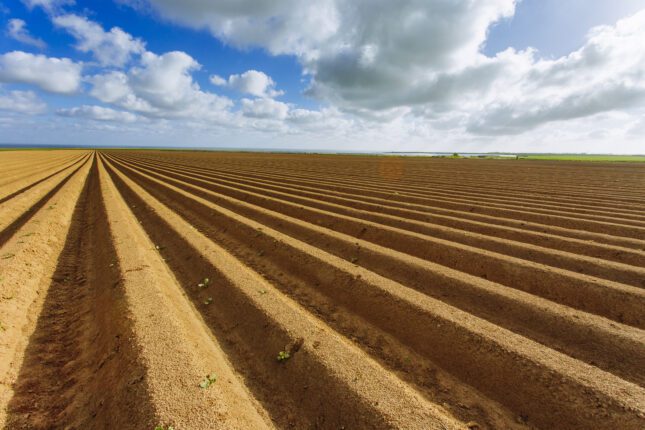
For centuries, farmers around the globe have tilled the soil to prepare for planting. Traditional tilling, however, exposes the bare earth to wind and water, causing erosion and the loss of soil organic carbon, as well as lowering soil quality and crop yields. In the US Corn Belt tilling has degraded approximately 35% of the land– about the size of Montana. In China, erosion from traditional tilling has degraded over 50% of agricultural soils. In the two countries soil erosion and loss of soil fertility is creating annual economic losses of $1.9 billion and $3.7 billion, respectively. Nevertheless, farmers are often hesitant to switch to no-till practices.
-
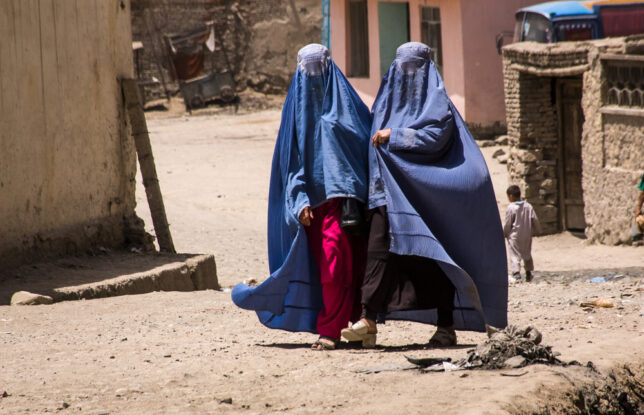
Under the Veil of Oppression: The Agonizing Plight of Afghanistan’s Hazara Women
›
The recent arrests of women in Dasht-e-Barchi of Kabul, Daikundi province, and Jaghori district of Ghazni in Afghanistan by the Taliban for inadequate adherence to Islamic dress codes highlights a critical and distressing situation. These events are not an isolated occurrence. Rather, they are a reflection of the intensifying oppression and systemic threats faced by women in the country, particularly those from ethnic and religious communities such as the Hazaras.
-
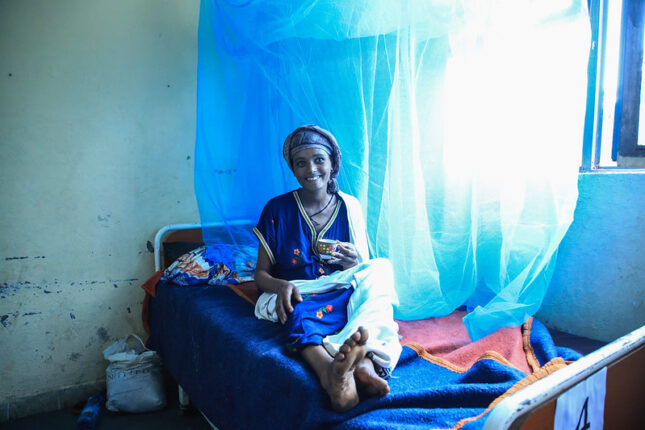
Can Global Maternal Health Investments Help Eradicate Malaria?
›The last two decades saw significant gains in reducing the incidence of malaria, but can we be doing even more to eradicate this disease? In early January 2024, a New York Times op-ed argued that millions were dying needlessly as tools to defeat malaria were within reach.
-
ECSP Weekly Watch | January 22 – 26
›A window into what we are reading at the Wilson Center’s Environmental Change and Security Program
World Groundwater Levels Face Accelerated Decline
Courtesy of Reuters, Reported by David Stanway and Edited by Tomasz Janowsk
Nature recently released a report revealing that global groundwater levels have undergone a widespread and accelerated decline over the past 40 years. Researchers concluded that this has likely occurred as a result of the impact of two factors: unsustainable irrigation practices in dry climates and drought driven by climate change.
-
China’s EV Power Grid-lock: A Coin Toss for Decarbonization?
›Usually, Ms. Li charges her BYD electric car at a TELD station during her half-hour lunch break. However, today was different – it took an extra ten minutes to complete the charging, providing her time to enjoy a cup of coffee. This slight delay was due to her participation in a Shanghai demand response pilot designed to encourage consumers to adjust electricity usage according to electricity grid conditions. Like a coin toss, this pilot could be a big win for protecting the grid and accelerating low-carbon transport in China, but many infrastructure obstacles could derail this decarbonization.
-
Is Health Financing Gender Biased?
›We take for granted the way health programs are financed—and often forget that there are biases in financing functions that undermine equitable access to health care.
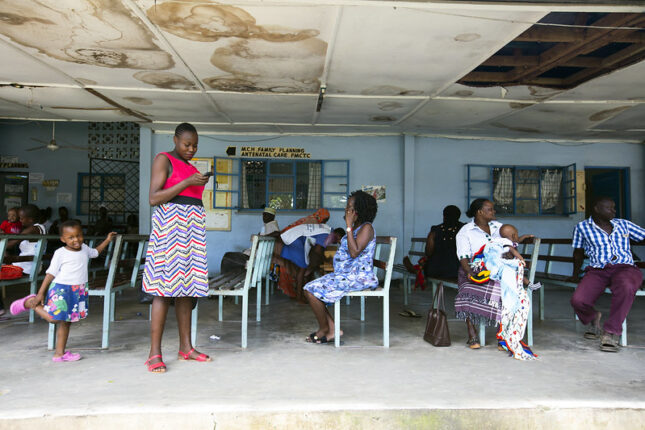
For instance, through gender advances, women now decide on contraceptive use and childbearing. Yet the health financing related to those services tends to emphasize improving efficiency and optimizing resources, without necessarily aligning its objectives with gender equity or inclusivity.
-
Water, Corruption, and Security in Iran
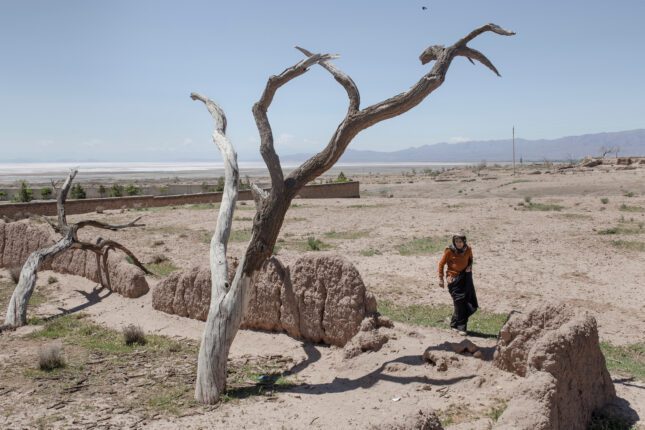
›This past summer was the hottest on record, bringing devastating impacts to many global communities. Iran was one of many nations that faced both debilitating heat and the subsequent water stress.
While Iran’s problems received significant media attention this year, water scarcity in the country is not a new problem. For decades, corruption and poor planning have plagued Iranian water policy, with impacts falling upon its increasingly disadvantaged provinces and, ultimately, on its ethnic minorities. Poor water policy also has contributed to an increasing number of cross-border disputes.
-
Environment and Security | Q&A with Editor in Chief, Ashok Swain
›From Afghanistan, Nepal, and Libya to the Arctic, the new issue of Environment and Security takes a fresh look at emerging issues at the intersection of environment and security. Ashok Swain, Editor in Chief of Environment and Security, spotlights some of the new research and insights in this Q&A with ECSP staff.
Q: The new issue of Environment and Security features an article on Arctic governance, including a close examination of the International Code for Ships Operating in Polar Waters (Polar Code). How do the authors assess this regulatory instrument as it enters its 10th year since adoption?
 A Publication of the Stimson Center.