-
In Context: Erika Weinthal and Jeannie Sowers on the Middle East Conflict’s Impacts on Civilian Infrastructure
›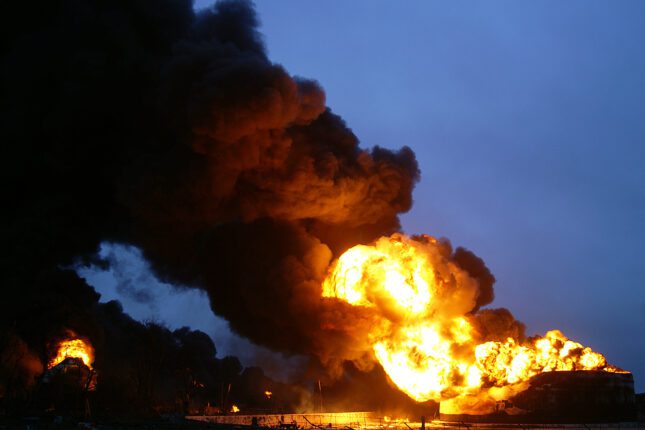
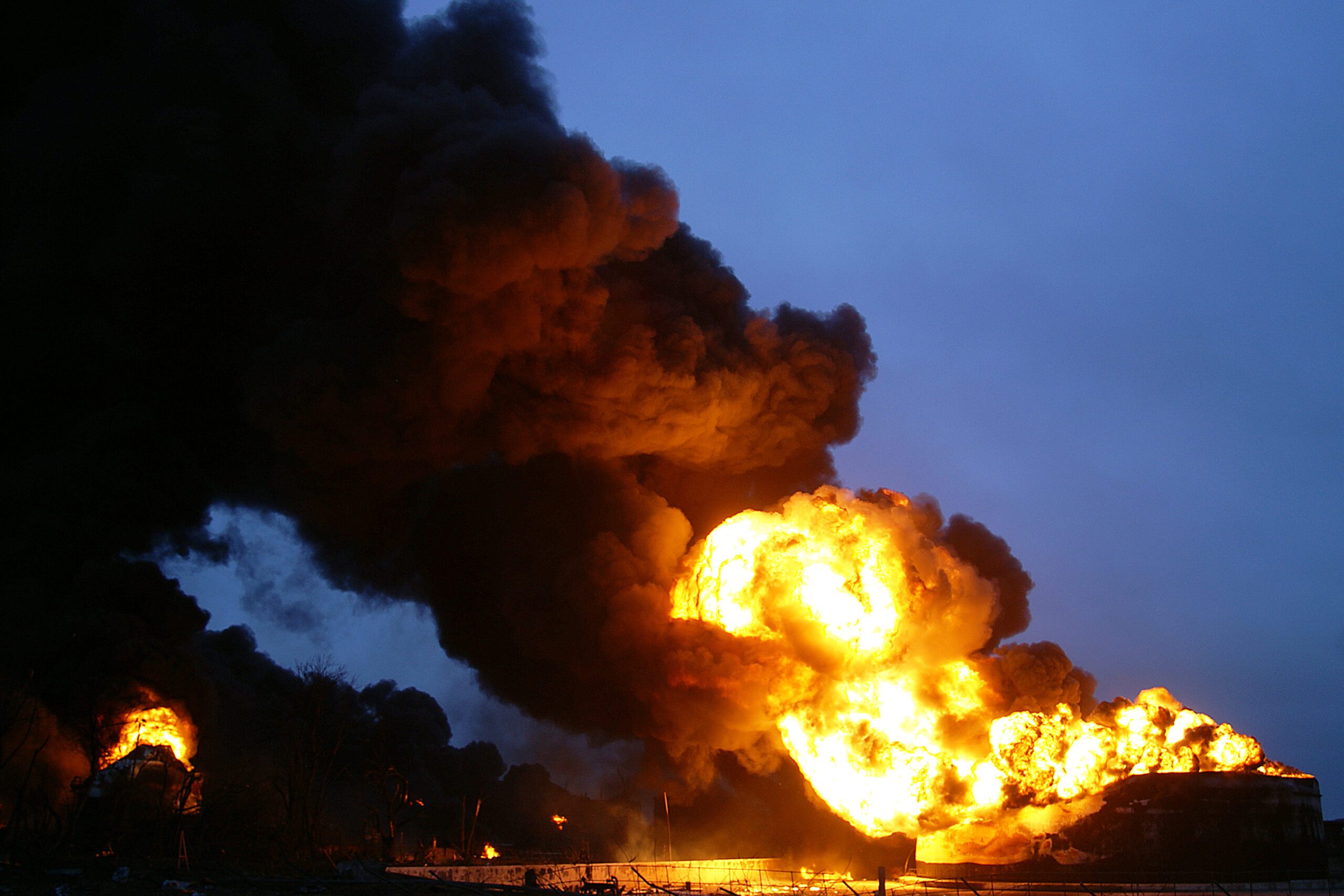
Recent attacks on critical infrastructure in Iran and the Persian Gulf mark a troubling escalation in the widening regional conflict. Since the U.S. and Israel launched a bombing campaign against Iran on February 28, Iran has responded with waves of missiles and drones targeting Gulf states across the region. Last weekend, both sides crossed a new threshold by striking civilian water and energy infrastructure. U.S. strikes allegedly hit a desalination plan on Iran’s Qeshm Island; Iran retaliated with a drone strike on a desalination plant in Bahrain; and Israeli airstrikes on fuel depots sent toxic smoke across Tehran.
-
Environmental Security Weekly Watch: March 3-6, 2026
›
A window into what we’re reading at the Stimson Center’s Environmental Security Program
US Pressure Adds to the Suffering in Cuba’s Worst Economic Crisis (The New Humanitarian)
Cuba is on the brink of a total humanitarian collapse as its people bear the brunt of cascading crises driven by the Trump administration’s decision to block Venezuelan oil shipments to the island. It is a crisis compounded by a decades-long US embargo and years of economic mismanagement. The power blackouts which previously lasted for 12 to 14 hours now exceed 20 hours, thus further crippling hospitals, food storage, and water systems. Without new fuel deliveries, the island might reach complete fuel depletion this month amidst its worst economic crisis since the 1930s.
-
Environmental Security Weekly Watch: February 23-27, 2026
›A window into what we’re reading at the Stimson Center’s Environmental Security Program
UN Report: One in Five Fish Products Tied to Fraud (Inside Climate News)
A new UN Food and Agriculture Organization report finds that up to 20% of fishery and aquaculture products worldwide are mislabeled. The $195 billion industry is especially vulnerable due to supply chains involving over 12,000 traded species. The study is the first of its kind for the organization, and describes a pattern of fraud that takes many forms, from coloring tuna to appear fresher, to selling farmed fish as wild-caught, to substituting cheap species for expensive ones entirely. In the US alone, as much as a third of seafood may be mislabeled, yet less than 1% of imports are ever tested.
-
Current Geopolitics Shift Deep-Sea Mining Debates
›This article was originally published as a commentary by the Stimson Center.
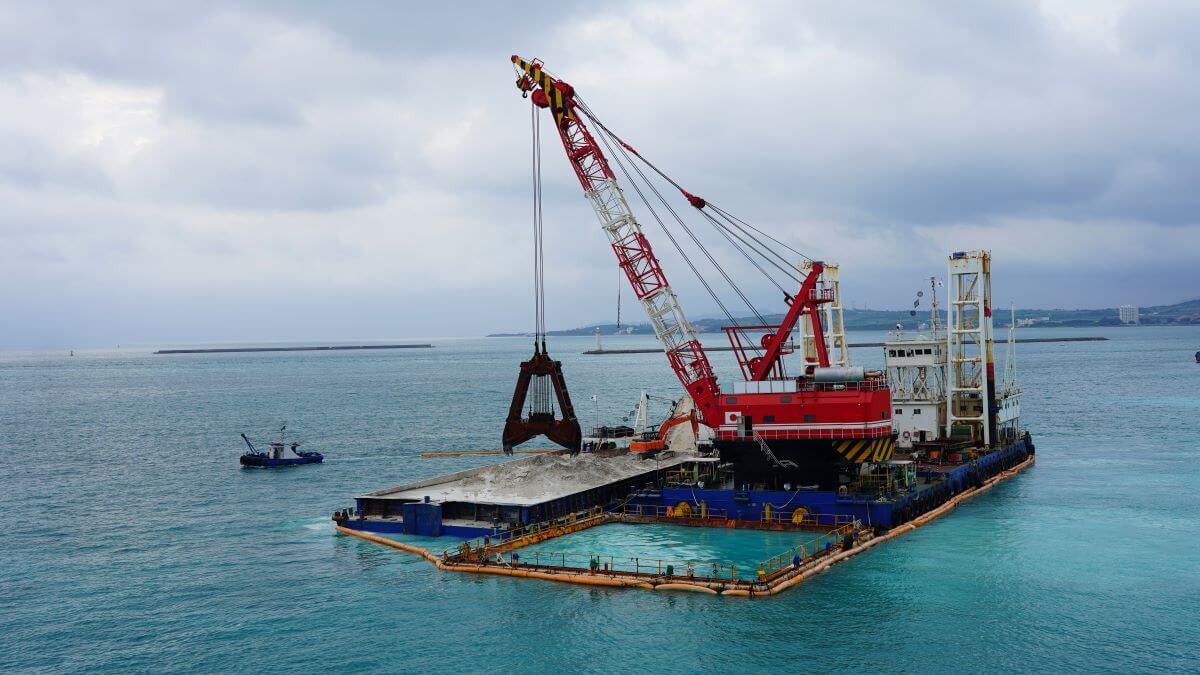
If anyone needed a signal of global interest in critical minerals and supply chains, the events in Washington D.C. earlier this month offered a clear one. In the midst of questions about the reliability of U.S. partnerships, uncertain tariff policy, and rhetoric around annexing Greenland, 54 countries and the European Union came together in D.C. at the Critical Minerals Ministerial to seek deeper collaboration to secure critical minerals supply chains and de-risk from China’s influence.
-
The Environmental Peacebuilding Association: Year in Review and What’s Ahead
›With a reduction in capacity of bilateral and multilateral institutions and a broader political retreat from environmental protection and peacebuilding, environmental peacebuilding reached a turning point in 2025. This was the conclusion of leading experts who spoke at The Year in Review and the Year Ahead webinar hosted by the Environmental Peacebuilding Association, as they reflected on the mounting constraints posed by this altered landscape.
-
Syria’s Environmental Woes Fueled Its Long Conflict. Left Unaddressed, They Will Do So Again.
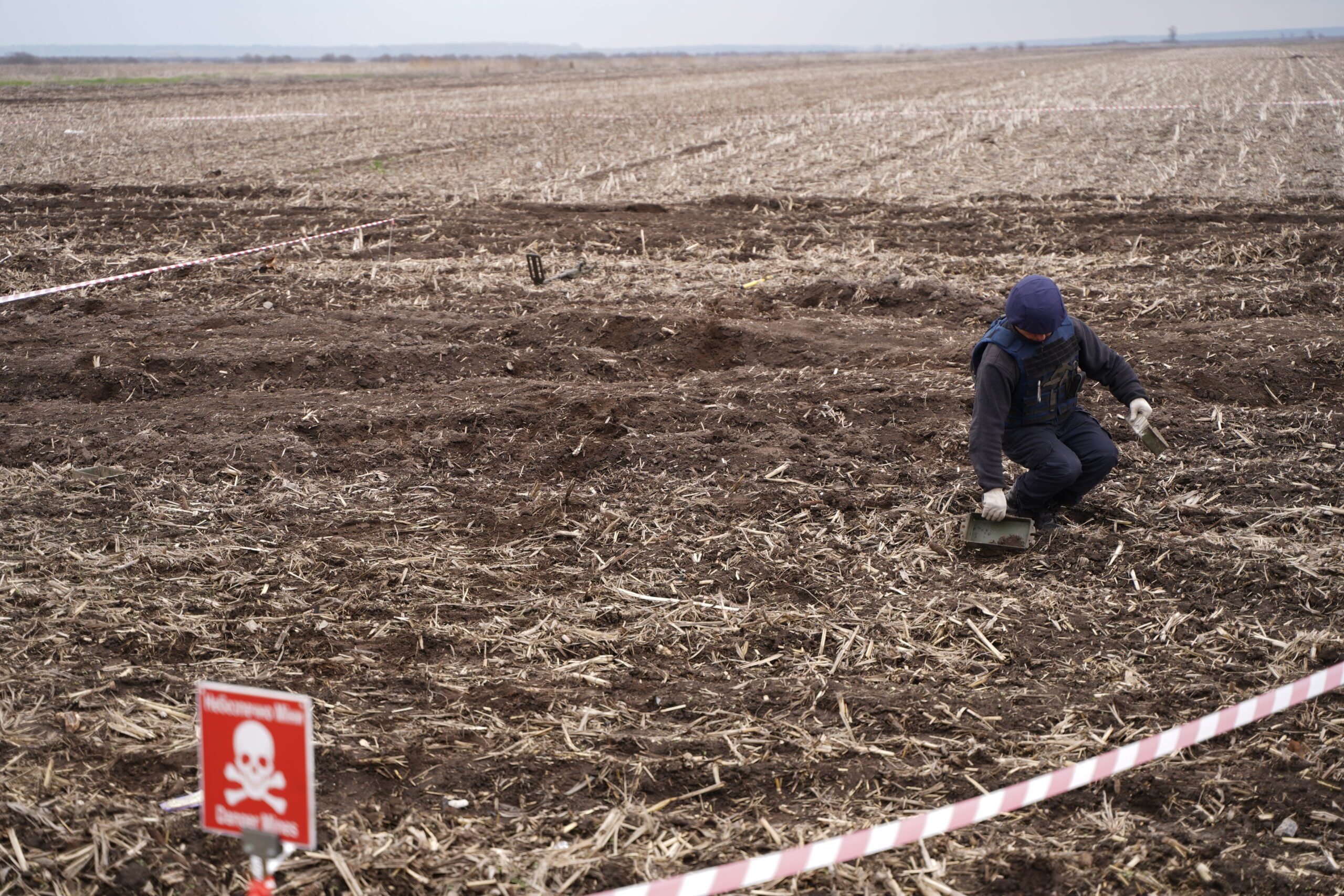
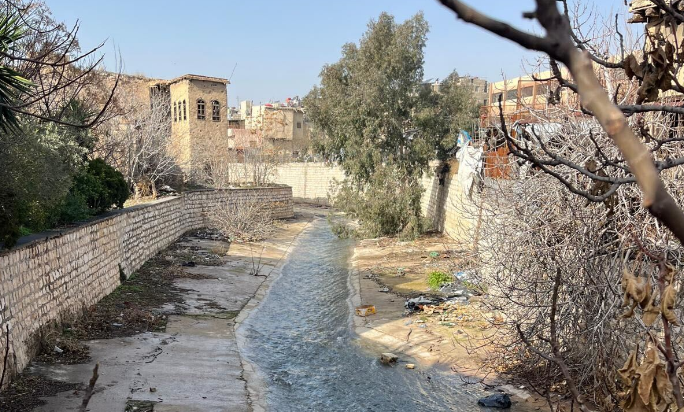
›I recently returned to Syria for my first peacetime visit. Unsurprisingly, the country is an awful mess. The destruction is somehow slightly more conspicuous than it seemed through a number of trips between 2014 and 2022. People’s exhaustion is palpable, and the economic situation is every bit as bad for many now as it was during the war. A formidable—and thus far entirely unanswered—environmental question also looms: how on Earth is the country’s landscape to be salvaged?
-
Environmental Security Weekly Watch: February 16-20, 2026
›A window into what we’re reading at the Stimson Center’s Environmental Security Program
Rapid Central Asia Glacial Melt Threatens Water Security (The Diplomat)
A recent study projects that the Tian Shan mountains, the primary freshwater source for millions across Central Asia and China’s Xinjiang region, will lose approximately one-third of their glacier area before 2040. Already, the region has seen a 27% drop in glacial mass and an 18% drop in areas over the last 50 years. The Tian Shan’s smaller glaciers respond more rapidly to warming temperatures, as rising temperatures reduce the snowfall that historically replenishes glacial mass. These glacial and meteorological conditions create a compounding effect that makes the Tian Shan more vulnerable than the larger, slower-responding glaciers of the Karakoram, Pamir, and Himalaya ranges.
-
When Climate Extremes Don’t Lead to Conflict: Evidence from the Pacific Islands
›The article was adapted from “Local Resilience Can Mitigate Climate Conflicts in the Pacific,” published by Global Outlook.
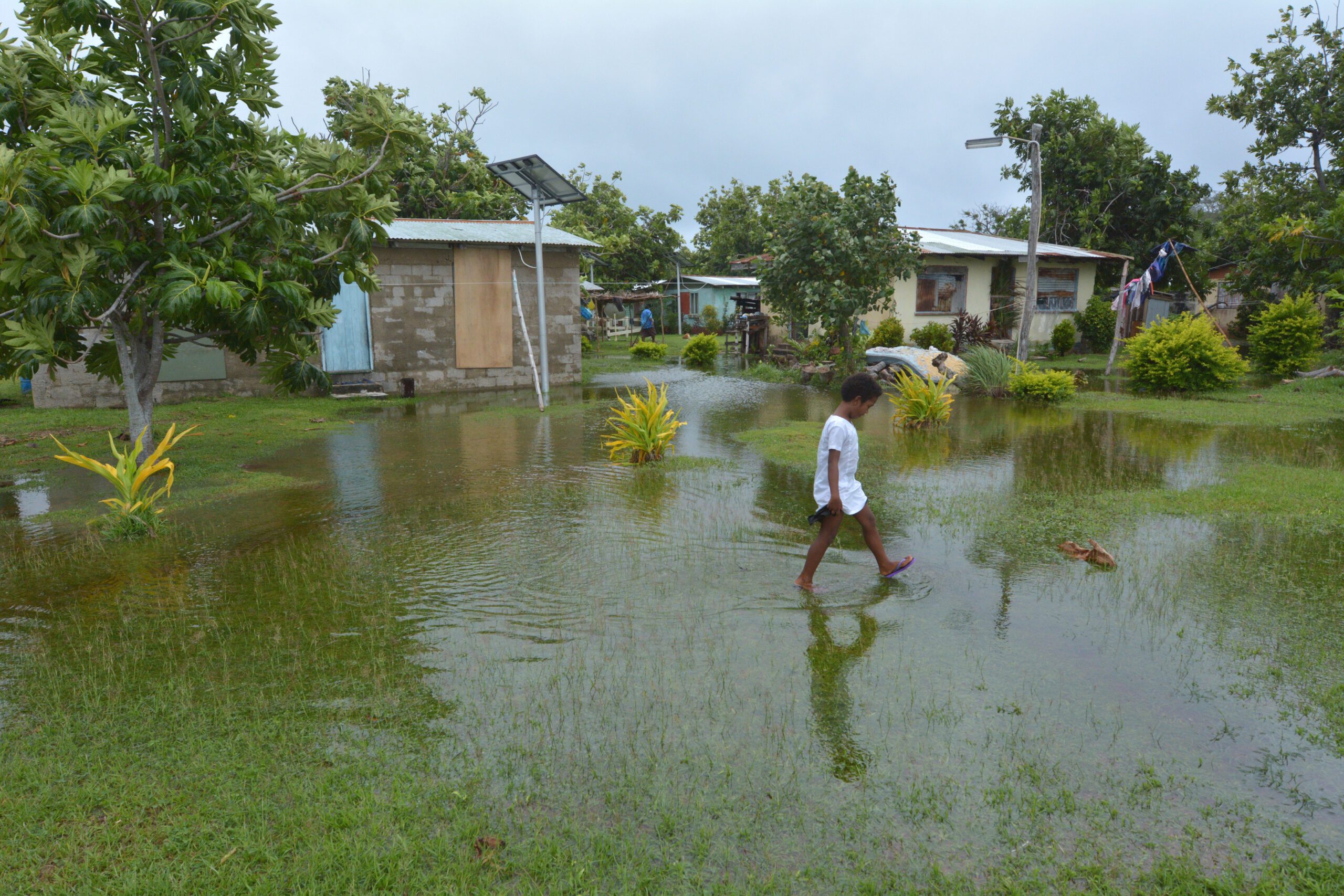
Pacific Island countries sit at the frontline of climate change. Many consist of small, low-lying islands, with long coastlines and vast ocean spaces between them. Livelihoods often depend on agriculture and fishing, and importing water or food is often infeasible or expensive. This makes those large ocean nations highly vulnerable to the impacts of climate change, such as storms, droughts, and rising sea levels.
 A Publication of the Stimson Center.