-
Ruth Greenspan Bell, The Guardian
In the Fight for Climate Action, Data Isn’t Always Your Friend
›April 6, 2016 // By Wilson Center Staff
When anyone wishes to support – or defeat – a given position, the sturdiest method is to generate data to predict its consequences. Advocates generate reams of numbers to substantiate their preferred outcome.
-
Forecasting Development: Observations From Scenario Planning for Bosnia and Herzegovina
›
I’m planning a road trip and I want to know what to pack. I could rely on what I’ve learned from past trips or what it looks like out the window right now, but what would really help are a weather forecast and a guidebook telling me what I might expect. It’s no guarantee against a wrong turn or two, but it will certainly better prepare me for the road ahead and help me take advantage of opportunities along the way.
-
Carlos Manuel Rodriguez, Human Nature
Murders of Environmental Activists Reflect Chronic Clashes Over Resource Use
›April 4, 2016 // By Wilson Center StaffWhen I heard of the horrific murder of Berta Cáceres, a Honduran environmental activist who had spent years fighting to protect her community’s traditional lands, I was shocked – though perhaps I shouldn’t have been.
-
Top 10 Posts for March 2016
›Water, water, everywhere. Water stories accounted for half of the most read last month. New Wilson Center Fellow Sherri Goodman outlined three principles to creating a “water-ready” world. Heather Chen highlighted a four-part update by the Kenya Broadcasting Corporation on Lake Turkana as the Gibe III Dam begins operation. Florian Krampe outlined results from a research project in rural Nepal on the effects of small hydro projects. And Alec Crawford and Angie Dazé explained lessons learned about incorporating migrant populations into conservation projects around Lake Albert.
-
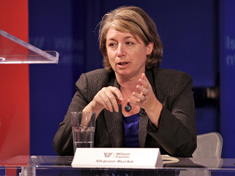
Sharon Burke on How the U.S. Military Is Planning for Climate Change
›Climate change is impacting the U.S. military in two major ways, explains Sharon Burke in this week’s podcast. -
To Fight Zika, Coordinating Agencies Must Prioritize Effective Knowledge Management
›Zika is a global health challenge. Since its outbreak in Brazil last May, the virus has spread to more than 30 countries and territories and ignited global discourse about family planning, vaccine development, reproductive rights, contraceptive security, and even gender norms.
-
Protection and Prosperity: A New Environmental Research and Education Agenda for a Changing World
›March 30, 2016 // By Roger-Mark De SouzaSome, especially in the scientific community, get frustrated at the seeming lack of scientific literacy among the general public and policymakers. This is a two-part problem, however. The general public must understand the implications of science and data, yes, but it is also important for the scientific community to effectively convey their work and educate the next generation.
-
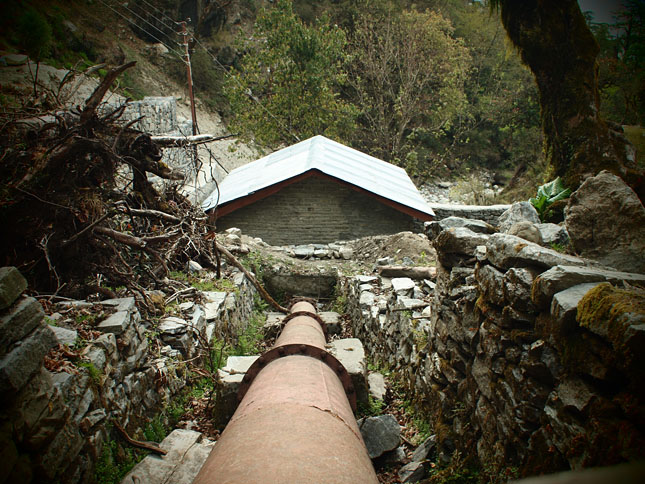
Community Empowerment vs. State Stability? Lessons From Nepal’s Micro-Hydropower Projects
›Post-war countries are among the most difficult policy arenas. The challenge is not only to stop violence and prevent violence from rekindling, but moreover to help countries reset their internal relations on a peaceful path. Increasingly, researchers and practitioners are interested in the potential of natural resources in post-war settings in the hope that good governance and sustainable management can contribute to this reset. Indeed, the international community acknowledged the relevance of the link between peaceful societies and environmental issues by including both in the Sustainable Development Goals.
 A Publication of the Stimson Center.


 Climate change is impacting the U.S. military in two major ways, explains Sharon Burke in this week’s podcast.