-
Free Lunch: The Development Argument for Taking Zika More Seriously
›
I recently returned to Washington, DC, after 10 days in India. New Delhi was warm, moist, crowded – and buzzing with mosquitoes. Fortunately, at least for now, their bites are little more than an itchy nuisance, which is just as well.
-
When Climate Change Exacerbates Conflict, Women Pay the Price, Says Mayesha Alam
› Climate change has the potential to exacerbate conflict and political instability, and women will pay a steeper price than their male counterparts when it does, says Mayesha Alam, associate director of the Georgetown Institute for Women, Peace, and Security, in this week’s podcast.
 -
Solomon Greene et al., Urban Wire
To Foster Sustainable Development, Cities Need Data – and Permission to Use It
›Cities are where sustainable development challenges like poverty and disaster risk are felt most acutely, particularly as the world’s population shifts to urban areas. But cities can also be incubators for the policies to address those challenges, and local leaders increasingly hold the keys to fostering inclusive growth and mitigating climate change.
-
Lisa Palmer, Yale Environment 360
New Explanation for Bee Die-Offs and What It Means for Human and Environmental Health
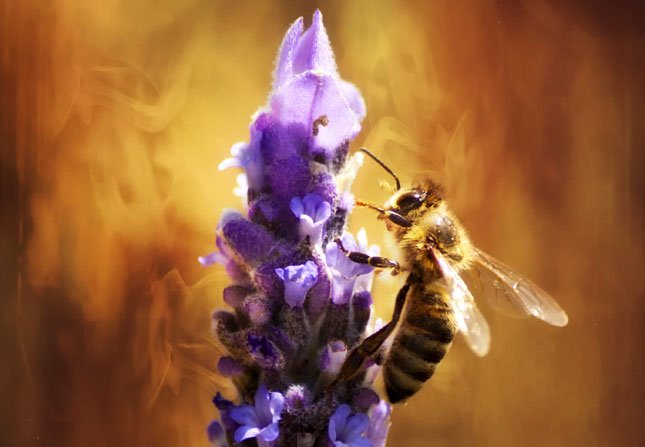
›May 12, 2016 // By Wilson Center StaffSpecimens of goldenrod sewn into archival paper folders are stacked floor to ceiling inside metal cabinets at the Smithsonian National Museum of Natural History. The collection, housed in the herbarium, dates back to 1842 and is among five million historical records of plants from around the world cataloged there. Researchers turned to this collection of goldenrod – a widely distributed perennial plant that blooms across North America from summer to late fall – to study concentrations of protein in goldenrod pollen because it is a key late-season food source for bees.
-
Feeding the Future? A Closer Look at U.S. Agricultural Assistance in Tanzania
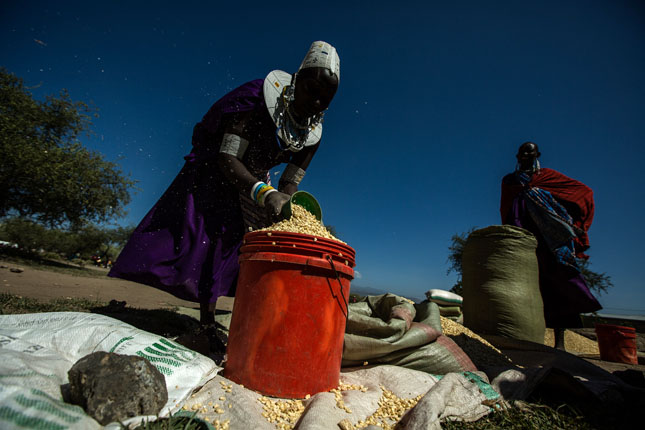
›May 11, 2016 // By Haodan "Heather" ChenBetween 2010 and 2015, Tanzania received more than $320 million in assistance via the U.S. government’s Feed the Future Initiative – the most of any country. But despite these commitments and an average of six to seven percent annual economic growth since 2000, Tanzania did not meet the first Millennium Development Goal: to reduce hunger and extreme poverty by half by the end of 2015.
-
Russell Sticklor, Global Waters
How One Philippine City Is Preparing for a Water-Scarce Future
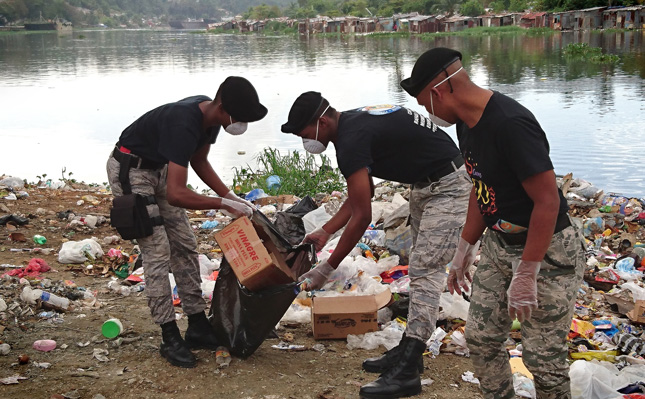
›May 10, 2016 // By Wilson Center StaffSurrounded by water, the Philippines is especially vulnerable to climate change. Its islands and its people are enduring increasingly unpredictable rains, intensifying cycles of flood and drought, and strengthening storms forming in the Pacific. These changing weather patterns have not only derailed livelihoods and agricultural productivity in rural areas, they have also worsened water insecurity in cities, where 45 percent of the population live.
-
Why Do Land Grabs Happen? Because They Can
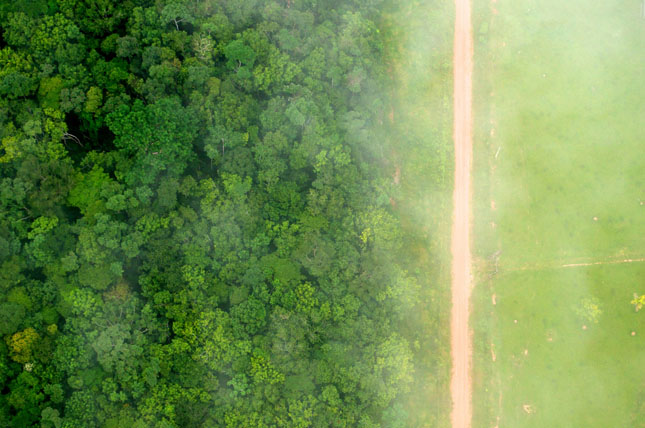
›May 9, 2016 // By Michael KugelmanIn January, over the objections of indigenous groups that live there, the government of Ecuador sold oil exploration rights to 500,000 acres of the Amazon to a consortium of Chinese companies. Whenever we hear about stories like this, there is a tendency to think: How can this happen? How can obscenely rich investors run roughshod over the land, livelihoods, and rights of impoverished local communities, and with utterly no consequences?
-
Water Is the Climate Challenge, Says World Bank
›May 6, 2016 // By Schuyler NullHow will climate change affect you? Probably through water.
That’s the major message of a new World Bank report that finds the ways governments treat water can have a profound effect on the economy.
 A Publication of the Stimson Center.
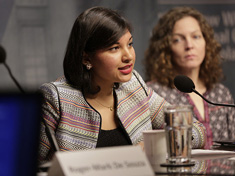 Climate change has the potential to exacerbate conflict and political instability, and women will pay a steeper price than their male counterparts when it does, says Mayesha Alam, associate director of the