-
The Global Refugee Crisis Has Coarsened Our Politics, Says Wilson Fellow Joseph Cassidy
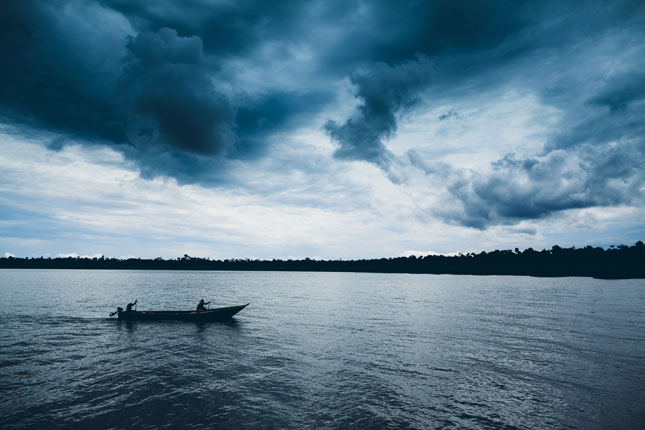
› Chaotic flows of refugees and migrants – the most since World War II – have challenged leaders in Western Europe and North America. “The reactions to those big flows are undermining our institutions in important ways and degrading our politics,” says Wilson Center Fellow Joseph Cassidy in this week’s podcast.
 -
After the Landslide: A Closer Look at Loss and Damage in Nepal
›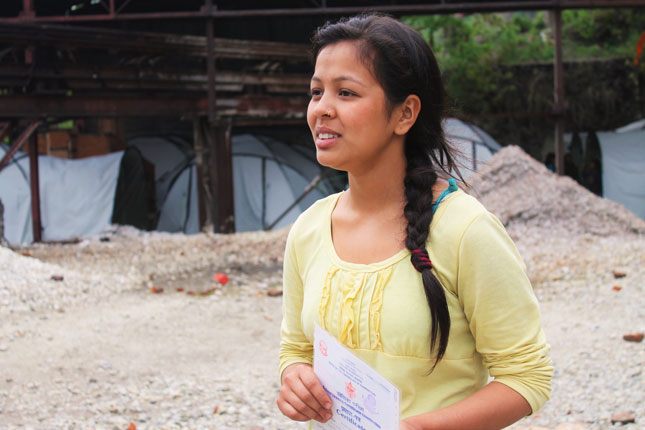
It had been raining for two full days when the landslide came. Nirjala Adhikari vividly remembers the instant it hit her village in Sindhupalchok District, Nepal. “It was a very scary moment, and I couldn’t think of anything else than grabbing my mobile phone and my school certificate before I ran out of the house,” she recalled. “I secured my certificate because only this will help me establish a bright future.”
-
The Rising Tide of Water Insecurity: Moving from Risks to Responses
›“Water is the frontline of climate change. It’s what every report that you see identifies as the sort of first and foremost effect we see from a climate changing world,” said Sherri Goodman, a public policy fellow at the Wilson Center and formerly of CNA and the U.S. Department of Defense, on October 19.
-
UN Agency Calls for Global Transformation of Agriculture in the Face of a Changing Climate
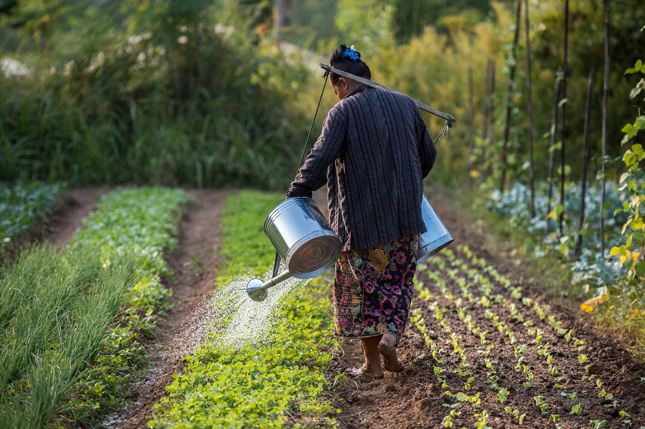
›November 15, 2016 // By Sreya PanugantiA recent report by the UN Food and Agriculture Organization (FAO) warns that over the next 15 years, climate change will add to the number of people living in poverty via its effects on the agriculture and food sectors. By 2030, climate-related effects on food-related livelihoods could lead to an additional 35 to 122 million impoverished people, according to the 2016 State of Food and Agriculture Report.
-
“You Are Asking About Pollution?”: One Journalist’s Perspective on the Mid East’s Environmental Crisis
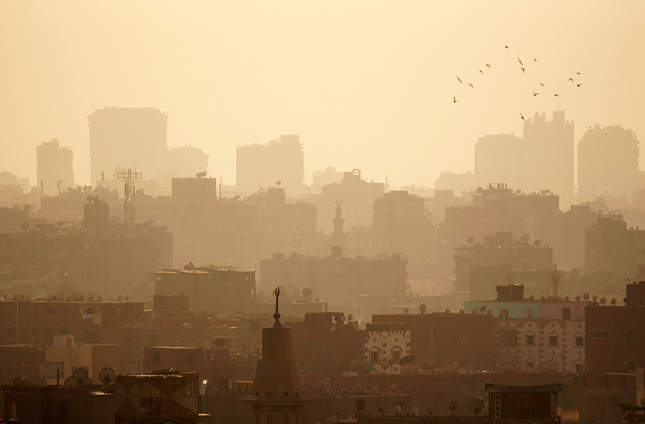
›It was some point in May last year, shortly after ISIS surged into the city of Ramadi, and I was working on a story about Iraq’s fast-disappearing Mesopotamian Marshes. Keen to fact-check a few statistics with the Ministry of Water Resources and to hear the government line on the wetlands’ struggles, I dialed its Baghdad offices. After being passed from official to official like a hot potato, a young employee, Hussein, finally gave it to me straight. “No, no, we don’t have this sort of information,” he said, clearly impatient to get off the phone. “There are much more important things in Iraq right now.”
-
5 Insights and Recommendations for Loss and Damage at COP-22 and Beyond
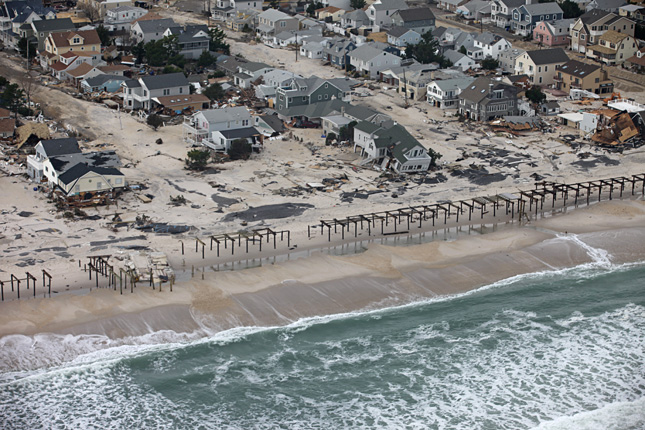
›November 10, 2016 // By Roger-Mark De SouzaOver the past four years, I have been a member of the Resilience Academy, an initiative of the United Nations University, International Center for Climate Change and Development, and Munich Re Foundation bringing together thinkers from 29 countries to gather insight on climate change resilience and “loss and damage.” Loss and damage has many definitions, but broadly refers to the impacts of climate change that cannot be addressed via adaptation (adjusting to the effects) or mitigation (preventing them from happening at all).
-
How Climate Change May Speed Democratic Turnover, and Beyond a “Naïve” Understanding of Drought and Conflict
›In a recent paper published by Climatic Change, Nick Obradovich conducts the “first-ever” investigation into the relationship between rising global temperatures, electoral returns, and climate change. Using data from more than 1.5 billion votes cast across electoral contests held in 19 countries, he found that when the annual average temperature for a country rose above 70°F, there was a “marked” decrease in the number of votes received by incumbent officeholders. -
Strategic Ambiguity: How Loss and Damage Became a Part of Global Climate Policy
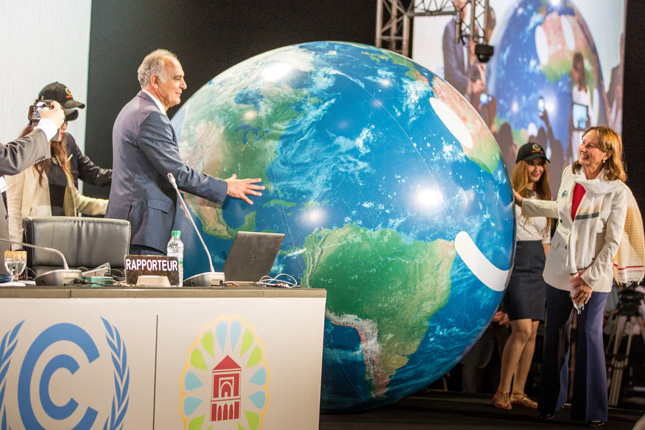
›As the international community meets in Marrakesh for the climate change negotiations at COP-22, one of the most delicate issues on the table is the review of what’s called the Warsaw International Mechanism for Loss and Damage, or WIM.
 A Publication of the Stimson Center.
 Chaotic flows of refugees and migrants – the most since World War II – have challenged leaders in Western Europe and North America. “The reactions to those big flows are undermining our institutions in important ways and degrading our politics,” says Wilson Center Fellow