-
Are We Headed Toward “Recurring Storms” of Global Food Insecurity?
›February 27, 2017 // By Erica Martin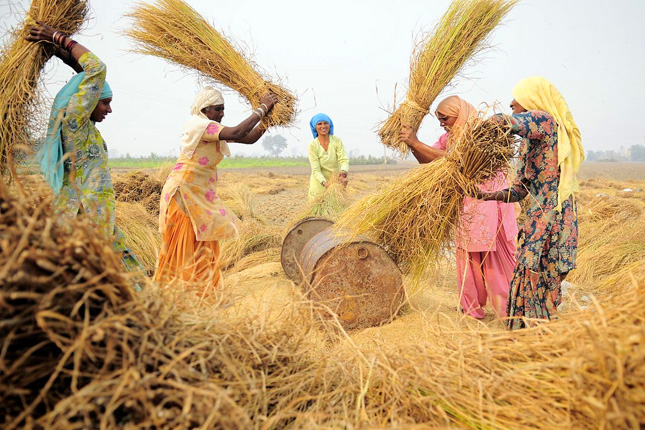
It’s often assumed that in the modern era, food security is an achievable goal. But between 2007 and 2008, a confluence of conditions shook the international food system to its core, fueling unrest and riots in more than 40 nations around the world. What’s more, this “perfect storm” may have been only a harbinger of challenges to come, according to a new report by Emmy Simmons of the Center for Strategic and International Studies (CSIS).
-
Backdraft Episode #3: Kimberly Marion Suiseeya on Voice, Justice, and Representation
› “If we think sustainable development is the goal we want to achieve, we have to be radical in elevating those who have been traditionally excluded,” says Northwestern University’s Kimberly Marion Suiseeya in this week’s “Backdraft” episode. “We have to approach conservation and global environmental governance from the perspective of the invisible and the marginalized people.”
 -
Reining in China’s Aquafarming Sector: Interview With China Blue’s Han Han
›Ten years ago, amateur tilapia farmers in China were able to dig a pond, fill it with fish, add antibiotics and chemicals, and a few months later sell the fish to numerous unregulated processors. In those early days, fish farming created a great economic boom for first-time aquaculture farmers.
-
Taking Stock of Africa’s Political and Security Developments in 2016
›2016 was an eventful year for the continent of Africa, with important implications for U.S.-Africa relations. The Wilson Center’s Africa Program asked experts, scholars, and policymakers to weigh in on the most important and impactful events. This collection of essays reflects on those developments and their impact going forward.
-
Michael Kimmelman, The New York Times
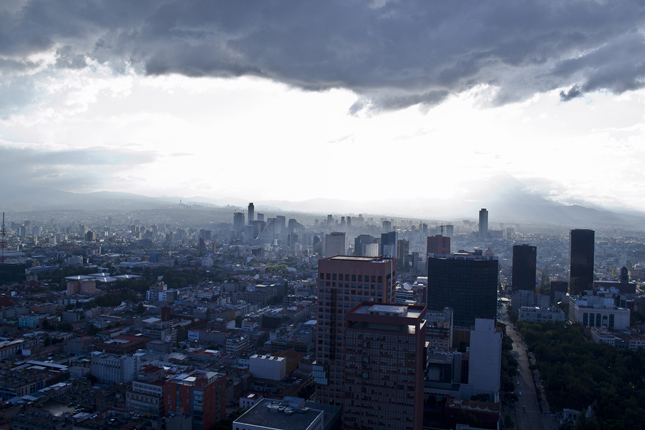
Mexico City, Parched and Sinking, Faces a Water Crisis
›February 20, 2017 // By Wilson Center StaffMEXICO CITY – On bad days, you can smell the stench from a mile away, drifting over a nowhere sprawl of highways and office parks.
-
The Common Ground on Refugee Resettlement and Security
›President Trump seems to conceive of domestic counter-terrorism efforts as analogous to a police roadblock. Potential terrorists, like vehicles, wait in single file, pull up to the checkpoint, are evaluated, and either stopped or allowed to proceed depending on whether they pose a threat. If only our vetting can be made “extreme” enough, we can apprehend those intending us harm.
-
Richard Choularton on 3 Steps to Avert the Famines We See Coming
›There has been great progress in anticipating famines in recent years, with most predicted six or more months ahead of time, says Richard Choularton, senior associate for food security and climate change at Tetra Tech, in this week’s podcast. But action to address their humanitarian impacts has lagged. Responses need to be more consistent and faster, he says, happening “almost without human intervention.” -
Elizabeth Devitt, Mongabay
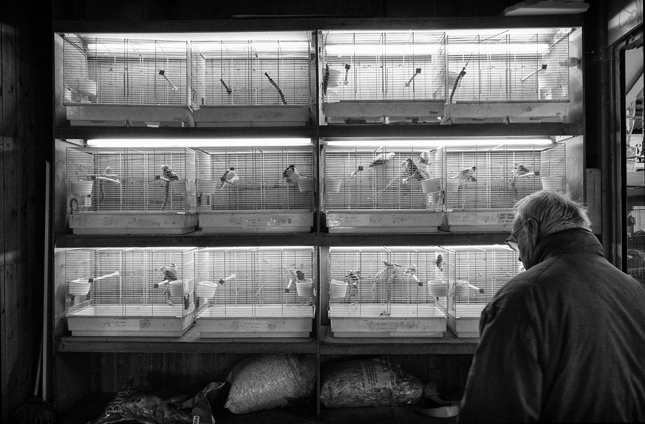
Getting a Grip on an Unlikely Threat to Biodiversity: The Pet Trade
›February 16, 2017 // By Wilson Center StaffThe legal commercial exotic animal trade is a booming enterprise that ships ornamental fish, mammals, birds, reptiles and amphibians around the world. These pets, livestock and other animals can carry unexpected infectious diseases from their homelands. If these non-native species escape or are released to the wild, they can create epidemics among susceptible endemic wildlife.
 A Publication of the Stimson Center.
 “If we think sustainable development is the goal we want to achieve, we have to be radical in elevating those who have been traditionally excluded,” says Northwestern University’s Kimberly Marion Suiseeya in this week’s “Backdraft” episode. “We have to approach conservation and global environmental governance from the perspective of the invisible and the marginalized people.”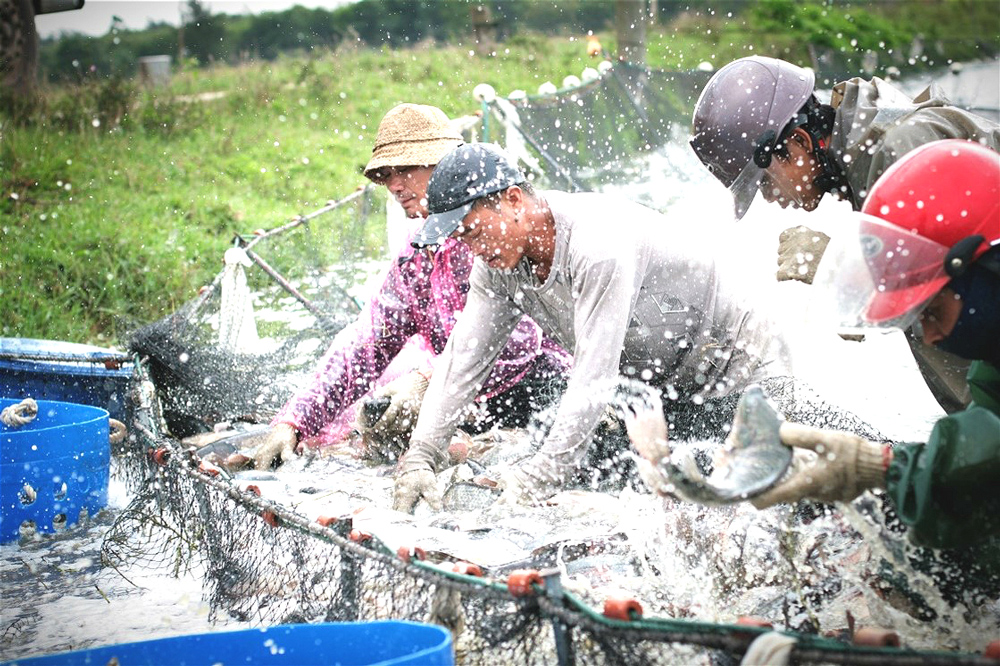

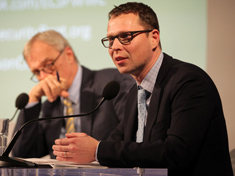 There has been great progress in anticipating famines in recent years, with most predicted six or more months ahead of time, says Richard Choularton, senior associate for food security and climate change at Tetra Tech, in this week’s podcast. But action to address their humanitarian impacts has lagged. Responses need to be more consistent and faster, he says, happening “almost without human intervention.”