-
Doris Chou on Measuring Maternal Health in the SDG Era
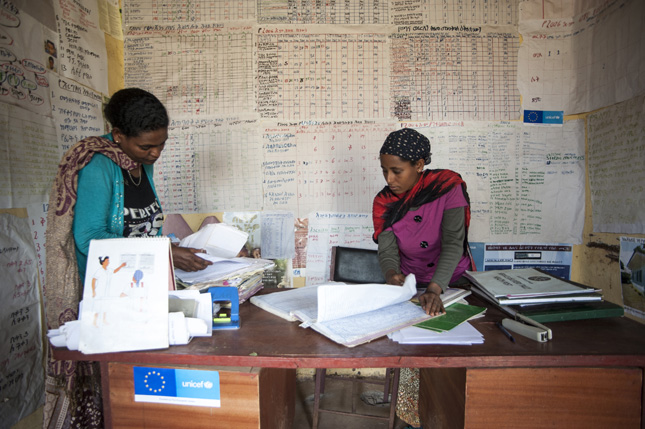
› “How do we present things in a responsible way?” asks Dr. Doris Chou of the World Health Organization (WHO) during a Wilson Center panel discussion on “Maternal and Women’s Health, Two Years In: Measuring Progress Towards Meeting the SDGs.” “My job is to make sure things don’t get misinterpreted,” says Chou.
 -
From Trash to Treasure: How Effective Sorting Helps China Utilize Food Waste
›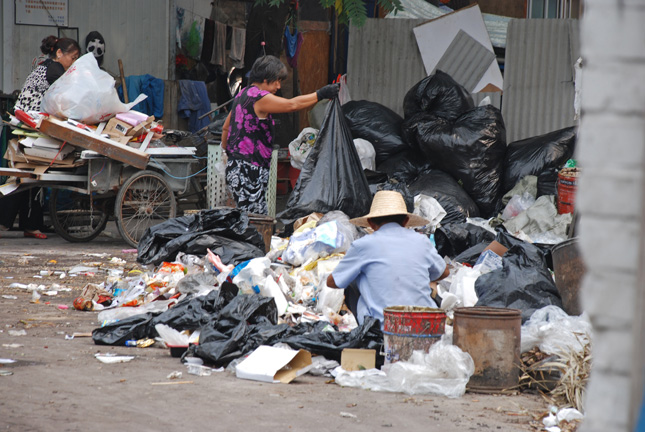
Launched in Beijing in 2013, the highly successful grassroots “Empty Your Plate” campaign encourages Chinese consumers to eliminate food waste from their meals. Starting with blog posts on Weibo (China’s equivalent of Twitter), this campaign rapidly swept the entire country and attracted support from the central government, which later issued a series of policies urging restaurants to use smaller dishes and remove minimum charges. However, the volume of food waste in China is still astonishing.
-
Saving for a Rainless Day: Microfinancing for Resilience
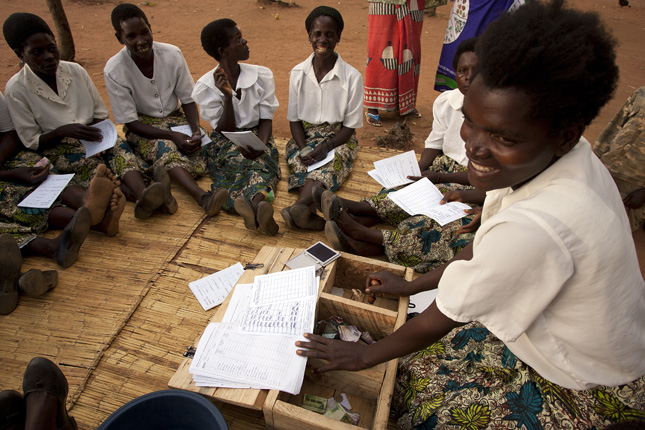
›“The sooner you save, the better off you’ll be in life, wherever you live, at whatever age you start,” said Sophie Romana, director of community finance at Oxfam America: “Saving is the key.” Microsavings groups—informal community-based financial pools–can help vulnerable communities build resilience, said representatives from support organizations CARE International, Oxfam America, and the Grameen Foundation at a Wilson Center event on June 29, 2017.
-
The Perils of Denial: Challenges for a Water-Secure Pakistan
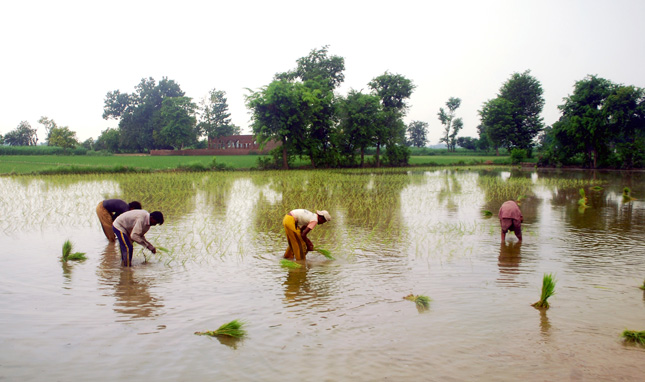
›Pakistan is South Asia’s fifth most vulnerable country in terms of water availability, and Karachi is the sixth most water-stressed city in the world. Predictions indicate that the country will face absolute water scarcity (insufficient water supply to meet demand) as soon as 2025. While population and demand for water steadily increase, freshwater quantity and quality are decreasing.
-
MCC Mobilizes Private-Sector Investment to Expand Access to Water in Jordan
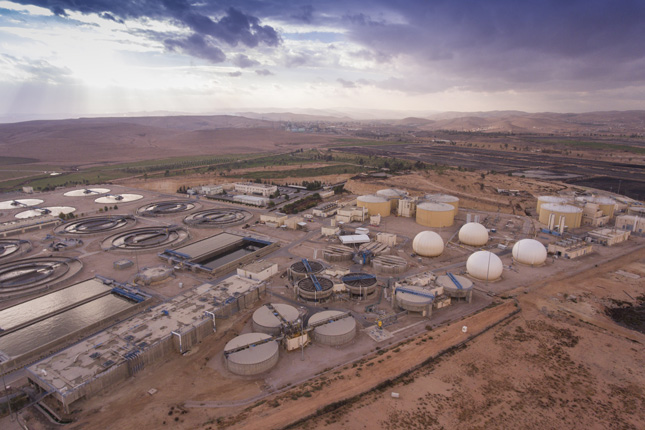
›In Jordan—one of the driest, most water poor countries in the world—population growth is straining the country’s aging infrastructure and limited water resources. As the Jordan country director for the Millennium Challenge Corporation (MCC), I’ve met urban residents and business owners who have only received water from the city utility once every two weeks, relying on storage tanks to fill the gaps. I’ve spoken with water utility managers who could no longer keep up with urgent repairs, leading to bursting water pipes and sewage overflowing into streets. And farmers in the Jordan Valley have told me that each year their wells have grown drier, and they feared the next generation would be forced to give up farming olives, tomatoes, grapes, and strawberries.
-
Maternal and Women’s Health, Two Years In: Measuring Progress Towards Meeting the SDGs
›“The aspirations of the 2030 Agenda and the SDGs are really high, and the data that will enable that have a long way to go,” said Rachel Snow from the United Nations Population Fund at a Wilson Center event on July 14, 2017.
-
Feeding the Future? One Year After the Global Food Security Act
›“The United States should maintain a unique leadership role in global food security,” said former Senator Richard Lugar at a recent Center for International & Strategic Studies event, “The U.S. Global Food Security Strategy: Progress, Setbacks, and Forward Momentum,” which marked the one-year anniversary of the passage of the Global Food Security Act. Signed into law on July 20, 2016, the act required the interagency Feed the Future initiative to develop the first-ever U.S. Global Food Security Strategy.
-
Fishing for Criminals: Mapping the Security Threats of Illegal, Unreported, and Unregulated Fishing
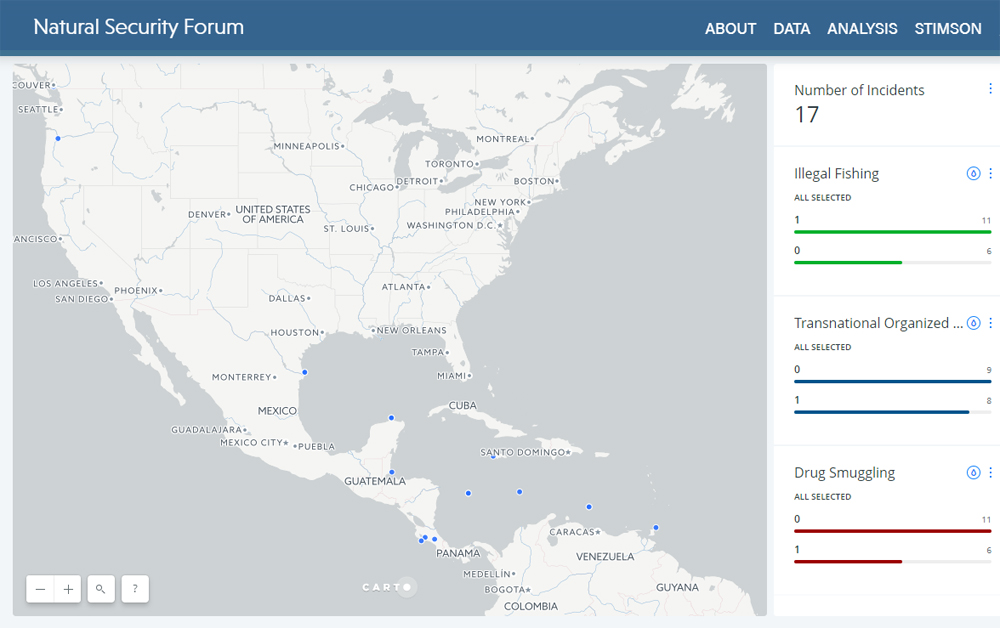
›Organized crime, arms and drugs smuggling, and conflict often overlap with environmental crimes like illegal fishing. A new interactive database from the Stimson Center’s Environment Security program maps incidents of illegal, unreported, and unregulated (IUU) fishing with the aim to “illuminate and educate on the geostrategic security implications of environmental crime; foster the creation of a new and expanding community of natural security stakeholders; and change the terms of the conversation on environment crime, leading to innovation policy solutions.”
 A Publication of the Stimson Center.
 “How do we present things in a responsible way?” asks Dr. Doris Chou of the World Health Organization (WHO) during a Wilson Center panel discussion on “