-
Afghanistan Widows: The Silent Struggle of Women-Headed Households
›Dot-Mom // Guest Contributor // February 19, 2025 // By Massoma Jafari, Ijia Ormel, Faiza Rab, Basnama Ayaz, Carla Taylor & Salim Sohani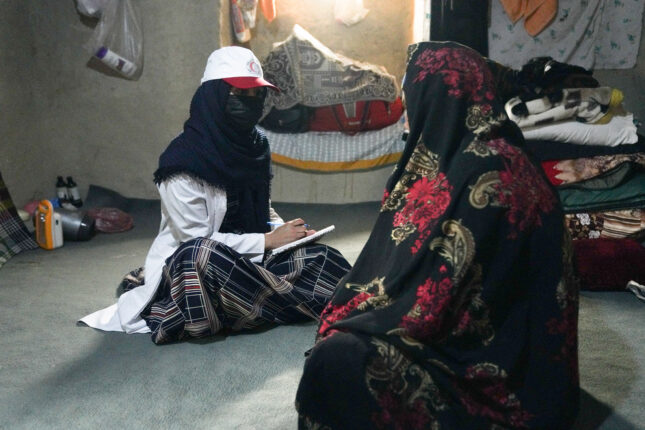
Close your eyes for a moment. Now imagine stepping back in time to an era when women in Western countries had no rights, no security, and no voice.
Now open your eyes again. In our own moment, millions of Afghan women—and in particular widows—live in just such a moment. This reality has never changed for them, and, in fact it has only worsened. Afghanistan remains one of the most repressive places in the world to be a woman: education is banned, employment is restricted, and even traveling alone is forbidden.
-
Climate Change, Peace and Security: Discourse Versus Action in Asia
›
This year’s World Economic Forum called for greater urgency in discussing the impacts of climate change on human security and social, political, and economic stability. And a recognition of the destabilizing effects of climate change also has led the UN to emphasize the risks they pose to the most vulnerable populations, including poor, conflict-affected, and displaced persons.
-
ECSP Weekly Watch | February 10 – 14
›A window into what we’re reading at the Wilson Center’s Environmental Change and Security Program
Declining Biodiversity May Increase Risk of Future Pandemics (Mongabay)
The COVID-19 pandemic that spread around the world in 2020 brought normal life to a standstill at many times in the past few years. But far from being a singular event, scientists and health experts warn that pandemics may become more common as biodiversity declines and spillover events become more likely.
-
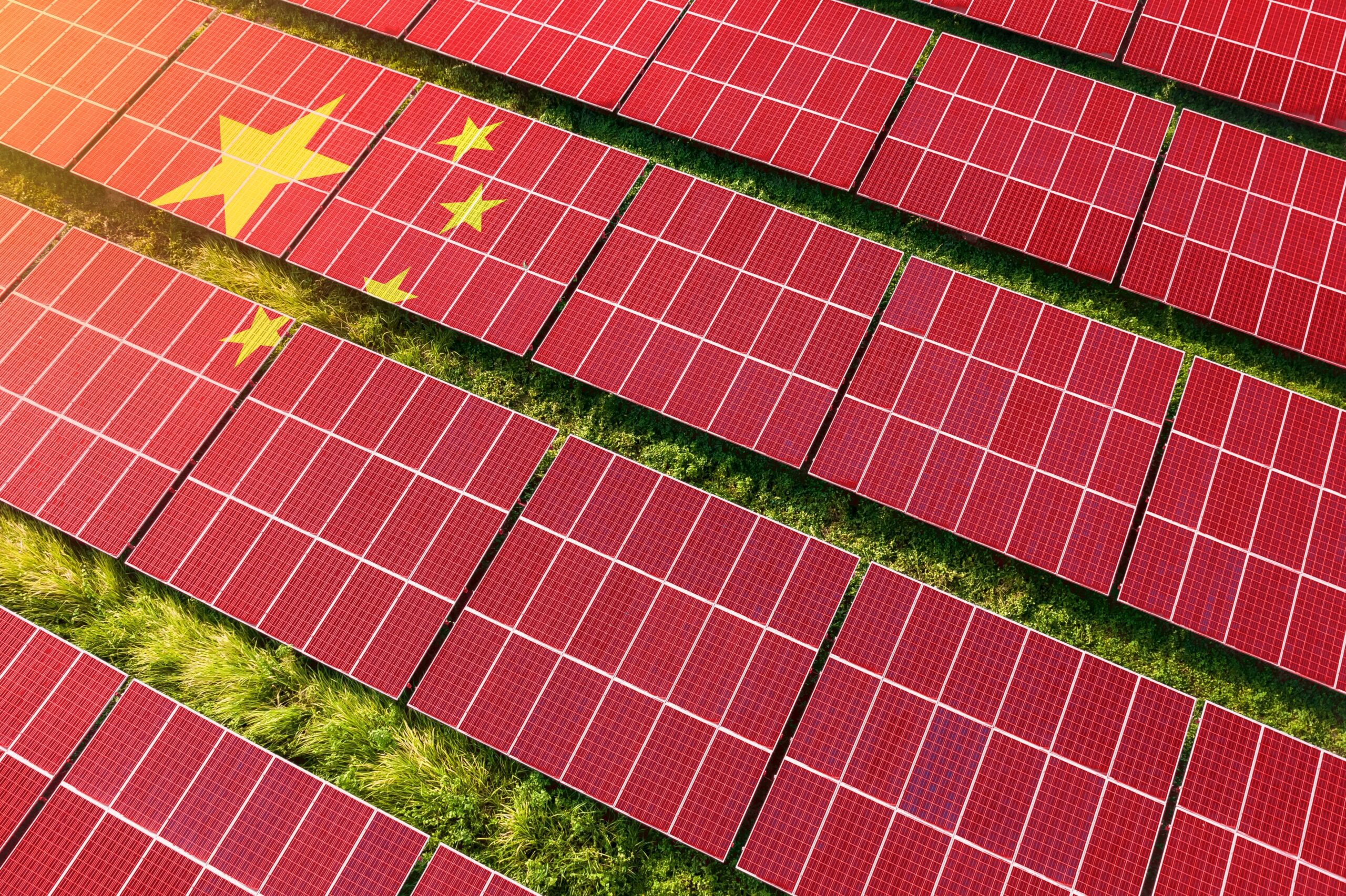
China’s Role in Financing the Energy Transition in the Global South
›China and the Global Energy Transition // China Environment Forum // Guest Contributor // February 13, 2025 // By Muyi Yang & Xunpeng ShiAs the world inches closer to the critical 1.5°C warming threshold, the demand for decisive climate leadership has never been more pressing. The US withdrawal from the Paris Agreement on January 20, 2025 has left a leadership void. The confluence of these events also has raised the question of whether China can do more to fill the finance gap and help Global South countries decarbonize.
-
Mining for Change: Obert Bore on Human Rights and Development Amid Zimbabwe’s Mineral Boom
› As global interest in critical minerals heats up, countries like Zimbabwe—which holds Africa’s largest reserves of lithium—are facing new opportunities for investment and development. But these opportunities can also come with risks and challenges for producing countries. In this episode of New Security Broadcast, the Wilson Center’s Claire Doyle and Jennifer Nguyen are joined by Obert Bore, who serves as the Business & Human Rights Program Lead at the Zimbabwe Environmental Law Association. Bore is an expert in international trade, Chinese investments in Africa, and natural resource governance, and has long worked to advance policy reforms to strengthen human rights protection for communities impacted by mining.
A Chinese language (中文) version of this podcast is available on SoundCloud.”
-
Q&A: Dr. Ashok Swain on Misinformation, Changing Borders, and the Role of the UN in his New Book, Climate Security
›Dr. Ashok Swain is a professor of peace and conflict research at Uppsala University in Sweden and founding Editor-in-Chief of the journal, Environment and Security. An expert on environment, development, and security issues, Swain has long had an eye for recognizing emerging security challenges. In his new book, Climate Security, Swain explores climate change’s connection to some of the key issues driving today’s security discourse, including the role of misinformation in hindering climate action, climate’s role in the growing displacement crisis, and how climate-driven shifts in territory and resources are reshaping geopolitics. Swain gave us a sneak peak of the book’s key insights, including the potential for a new international governance framework to address climate-related security risks.
-
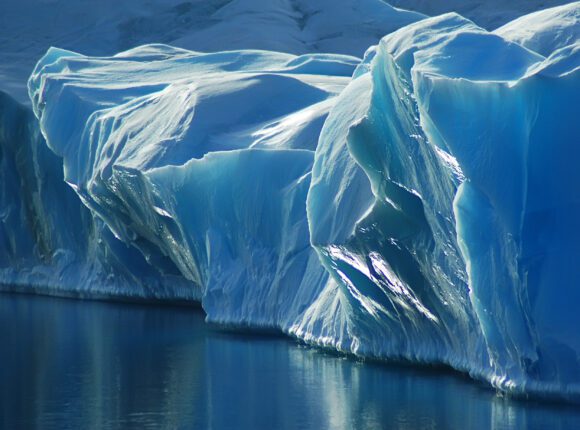
Facing Up to Climate Risk: Arctic Sea Ice, Tipping Points, and Possible Interventions
›Global greenhouse gas emissions continue in stark contrast to the emissions reductions needed to limit warming to 1.5 degrees Celsius. Indeed, planetary warming has accelerated so much that many scientists warn that key components of the earth’s system are approaching “tipping points” that will trigger additional climate feedback loops that further fuel and exacerbate climate disruption if they are exceeded.
-
ECSP Weekly Watch | February 3 – 7
›A window into what we’re reading at the Wilson Center’s Environmental Change and Security Program
Indonesia Considers Paris Agreement Exit Following US Withdrawal (Mongabay)
The US withdrawal from the Paris Agreement has led other countries to reconsider their commitments to the international environmental treaty. In Indonesia, for instance, top officials have questioned whether developing countries should be expected to comply with the agreement as major polluters (including the US) opt out.
 A Publication of the Stimson Center.