
-
Forever Young: Engaging Youth to Build Stability and Reduce Violence
›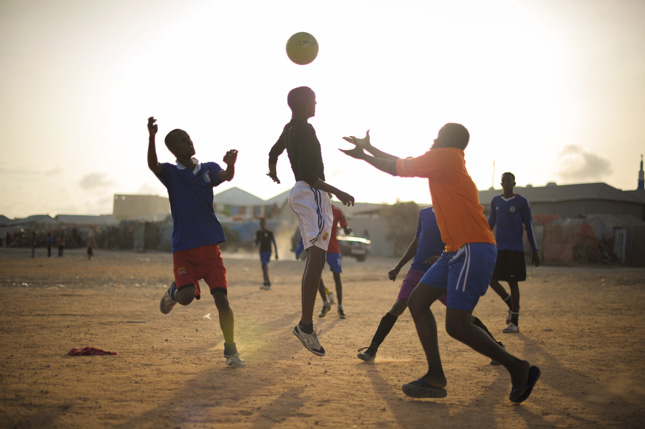
“There are more young people in the world today than in any other time in the history of the world,” said Beza Tesfaye, Senior Researcher at Mercy Corps, at a recent event at the U.S. Institute of Peace on Mercy Corps’ efforts to engage youth in Somalia and Afghanistan in order to promote stability and prevent violence. “As we know, marginalized youths are the ones often to be recruited into violent movements. Not only do we have to focus on conflict, but we also have to put youth at the center of development programs to address these issues.”
-
A More Prosperous World: Investing in Family Planning for Sustainable Economic Growth
›
“There is a close relationship between fertility rates and health on one hand, and economic growth on the other,” said Peter McPherson, President of the Association of Public Land-Grant Universities and former USAID Administrator, at the final event in a three-part series on the role of population and family planning in supporting economic growth, health, and education.
-
Jocelyn Ulrich: Enhancing Public Health to Unleash the Economic Power of Women
›Healthy Women, Healthy Economies is a global initiative that aims to unleash the “economic power of women by bringing governments, private sector, and other civil sector actors together to improve women’s health,” says Jocelyn Ulrich of EMD Serono (known as Merck KGaA, Darmstadt, Germany outside of the US and Canada) in our Friday Podcast. Providing for women’s health needs enables them to “join, thrive, and rise” in the economy, “bringing prosperity home to their families and communities.” -
Reaching for Resilience in East Africa
›“Resilience isn’t an outcome, it is a process—and capacity-building is crucial,” said Chelsea Keyser, Deputy Chief of Party for USAID’s PREPARED program, during a recent event at the Wilson Center marking the end of the five-year project. PREPARED (Planning for Resilience in East Africa Through Policy, Adaptation, Research, and Economic Development) developed 14 different tools to help communities adapt to the impacts of the changing environment in the East African region, including unreliable rainfall and rising temperatures.
-
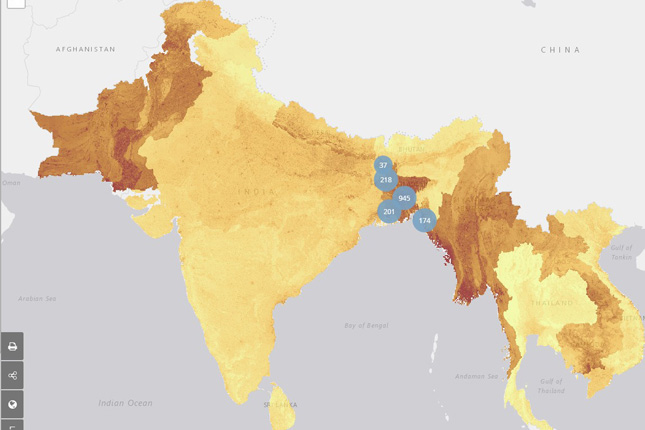
Mapping Climate Security: New Dashboard Tool Visualizes Complex Vulnerability in Asia
›In many parts of South and Southeast Asia, high population density and vulnerability to climate change combine with low levels of household resilience and poor governance to increase security concerns and the potential for political instability. To help identify risks and hotspots in this critical region, the Complex Emergencies and Political Stability in Asia (CEPSA) program at the University of Texas-Austin recently launched the Complex Emergencies Dashboard, which integrates raw data and modeling with mapping technology, allowing users to visually analyze regional security issues. The project was funded by the Department of Defense’s Minerva Initiative, which also supported similar work by the university’s Climate Change and African Political Stability (CCAPS) program.
-
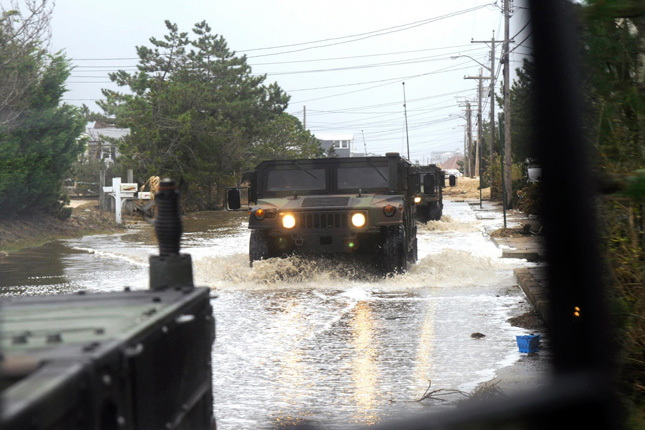
Coastal Resilience on Capitol Hill: Protecting the United States’ Infrastructure, Economy, and Security
›Every dollar invested in preparing for natural disasters could save seven dollars, said Alice Hill, Research Fellow at the Hoover Institution, at a recent briefing on Capitol Hill. Catastrophic events like Superstorm Sandy present significant financial risks to U.S. businesses, the federal treasury, and the global economy. These complex emergencies have taught us that “everything is connected: our transportation system failed, our health sector failed,” said Hill, in the wake of these storms.
-
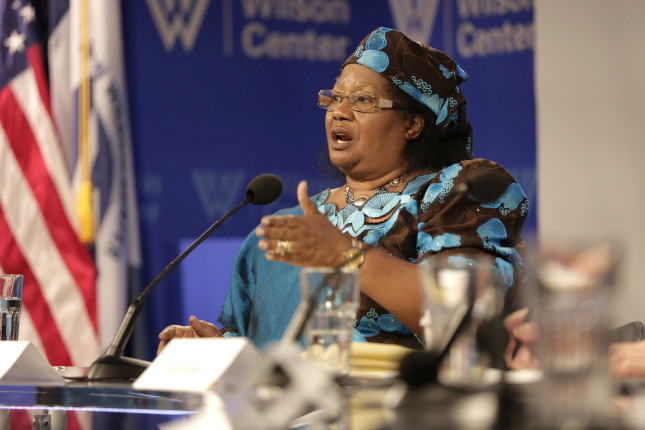
From Day One: Malawi President Joyce Banda on Girls Ages 0-10
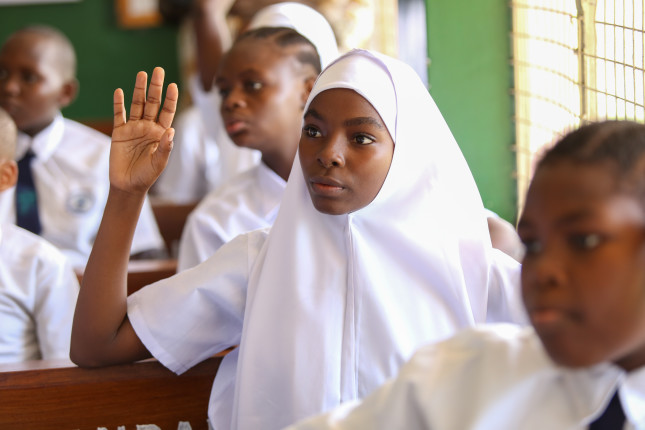
›“Over 130 million girls around the world are not in school through no fault of their own,” said Her Excellency Joyce Banda, former president of the Republic of Malawi, at the launch of her new book, From Day One: Why Supporting Girls Aged O to 10 Is Critical to Change Africa’s Path, at the Center for Global Development.
-
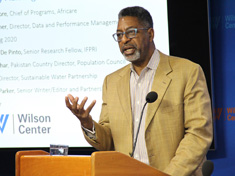
Franklin Moore: Fostering Local Innovation Through Community Organization
›Africare’s work has been built on a “strong belief that community mobilization and local capacity building and innovation are the cornerstones of successful development, and that, for us, includes resilience,” says Franklin Moore, Chief of Programs for Africare, in a podcast from a recent Wilson Center event. “Community engagement, capacity building, and looking at locally driven behavior and social change is what empowers communities.”
 A Publication of the Stimson Center.
 Healthy Women, Healthy Economies is a global initiative that aims to unleash the “economic power of women by bringing governments, private sector, and other civil sector actors together to improve women’s health,” says Jocelyn Ulrich of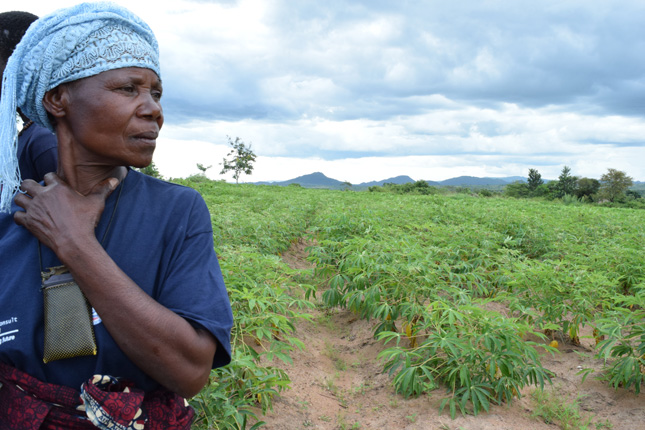
 Africare’s work has been built on a “strong belief that community mobilization and local capacity building and innovation are the cornerstones of successful development, and that, for us, includes resilience,” says

