-
Groundwater Scarcity, Pollution Set India on Perilous Course
›
Doula Village lies 55 kilometers (34 miles) northeast of New Delhi on a flat expanse of Uttar Pradesh farmland close to the Hindon River. Until the 1980s Doula Village’s residents, then numbering 7,000, and its farmers and grain merchants, thrived on land that yielded ample harvests of rice, millet, and mung beans. The bounty was irrigated with clean water transported directly from the river, or with the sweet groundwater drawn from shallow wells 7 meters (23 feet) deep.
-
Doris Kaberia on Public-Private Partnerships and Holistic Approaches to Water Management in Kenya
› “You cannot separate water and health,” says Doris Kaberia in this week’s Water Stories podcast. “People need safe drinking water for them to be healthy.” Kaberia works with Millennium Water Alliance, a coalition of international NGOs working on water sanitation and hygiene around the world, where she manages a Kenyan water program.
 -
More Countries Want to Invest in Caring. Here’s How They Should Do It
›At long last, my husband and I are empty-nesters. We have always worked in high-pressure jobs, and while the children were young, I put in plenty of non-work hours to care for them and for the household. My husband was unfailingly helpful, but now that our children are grown, I’m ready to renegotiate our “to do” list.
-
New Security Beat’s Biggest Stories of 2018
›In 2018, our readers came to New Security Beat to understand how individuals and communities cope in the face of environmental uncertainty, particularly when the rule of law, natural resource management, and social services are lacking.
-
Resource Nexus Approaches Can Inform Policy Choices
›Guest Contributor // January 8, 2019 // By Stacy D. VanDeveer, Raimund Bleischwitz & Catalina SpataruThe unabated growth of natural resource consumption raises risks that we will outstrip the capacities of ecosystems and governance institutions. At the same time, to achieve important global goals related to poverty alleviation, public health, equity and economic development such as those embodied in the United Nations Sustainable Development Goals (SDGs), we will simultaneously need more resources and better management of natural resources everywhere.
-
The Tetherball Effect: How Efforts to Stop Migration Backfire
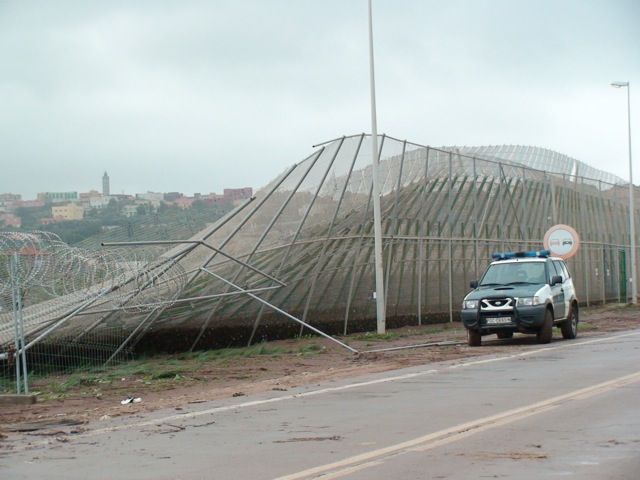
›Fears of Central American caravans and Saharan smugglers keep European and U.S. leaders up at night. Desperate to manage migration, they turn to short-term fixes, which include blocking borders and supporting authoritarian leaders to contain people—their own citizens and others—before they get close to Europe or the United States. This bit of political theater appeals to some, but has limited effects in overall numbers. The long game consists of addressing root causes so people no longer feel compelled to move at all. But this too will do little to prevent migration north. If anything, it will encourage more people to move.
-
Toxic Water, Toxic Crops: India’s Public Health Time Bomb
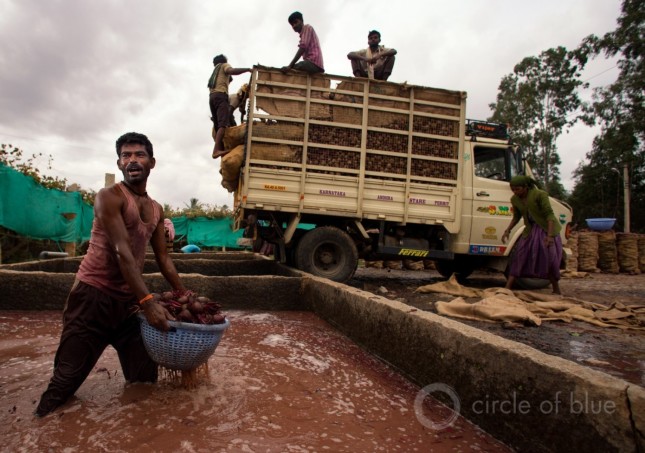
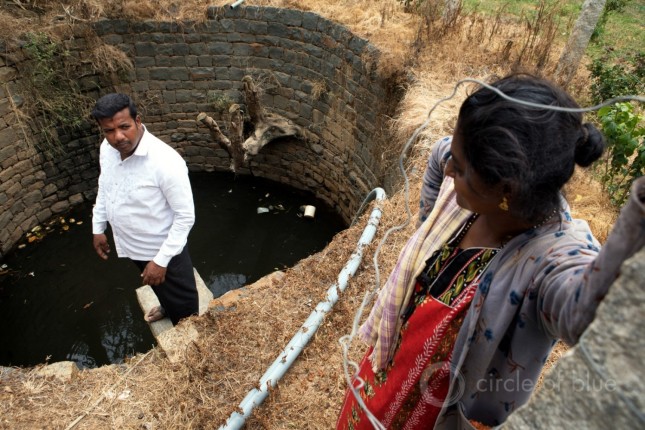
›China Environment Forum // Choke Point // January 3, 2019 // By Jennifer Möller-Gulland, J. Carl Ganter & Cody T. PopeBENGALURU, India – In a small town in the suburbs of this booming city, K.V. Muniraju knows all too well the decade-old battle of securing water for his crops. With groundwater tables continuously falling, the middle-aged farmer once borrowed heavily to dig wells ever deeper.
-
Snow and Ice Melt Patterns Help Predict Water Supply for Major Asian River Basins
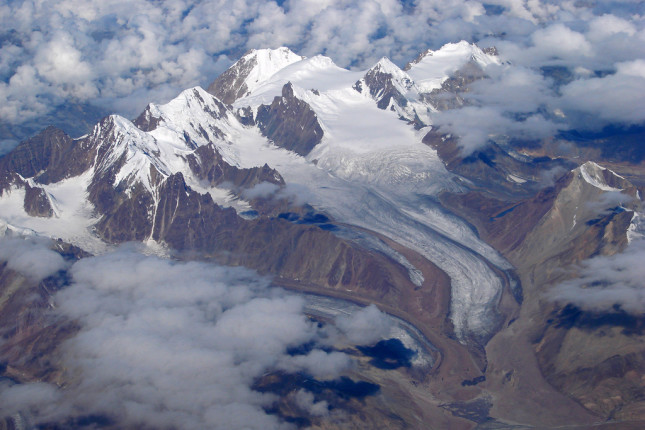
›“For the longest time we thought that water was forever renewable and that it would always be there,” said Gloria Steele, Acting Assistant Administrator for Asia with USAID, at a recent Wilson Center event on water security in High Asia. “We now know that is not the case, and we need to protect it and manage it effectively.”
 A Publication of the Stimson Center.
 “You cannot separate water and health,” says Doris Kaberia in this week’s Water Stories podcast. “People need safe drinking water for them to be healthy.” Kaberia works with Millennium Water Alliance, a coalition of international NGOs working on water sanitation and hygiene around the world, where she manages a Kenyan water program.