-
Achieving the SDGs: Three New UN Reports Call for Reoriented Policy Priorities
›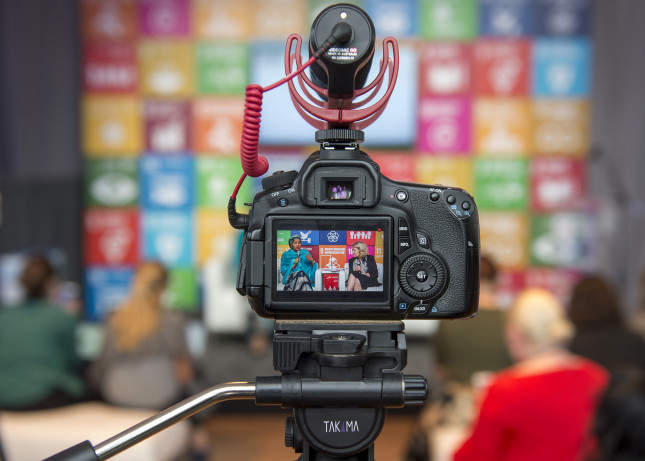
This summer, United Nations agencies published three reports that offer a sobering assessment of the current state of international security and development, focusing on multidimensional poverty, hunger, and forcible displacement. As some countries succeed in steadily improving the living conditions of their most vulnerable populations, others have struggled to overcome sustained episodes of political instability and violent conflict. Together, the reports affirm the urgency with which the international community must reorient its policy priorities and take action to achieve the Sustainable Development Goals (SDGs) by 2030.
-
Nothing Marvelous About Plastic Waste: China’s Pollution Endgame
›
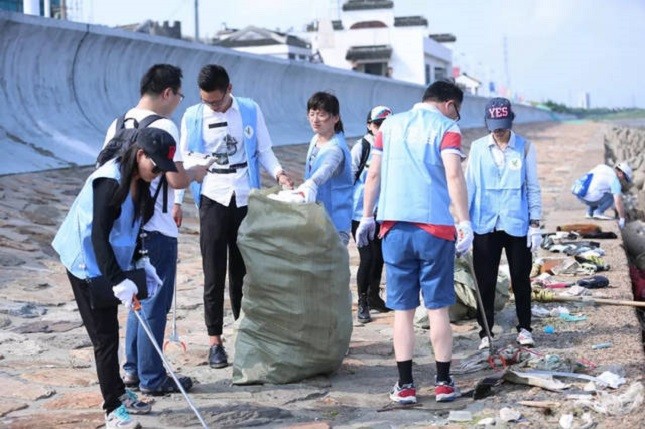
Our world is drowning in plastic pollution with nearly 8 million tons of single-use plastic and some 700,000 tons of abandoned fishing gear leaking into marine ecosystems each year. Plastic waste endangers marine species. For example, animals become entangled in abandoned nets. Marine birds, fish, whales and sharks are sickened or die when they accidentally ingest plastic. According to a 2017 study, around 90 percent of single-use plastic that pollutes our oceans comes from 10 rivers, 6 of which are in China. No Avenger superheroes can make this problem go away; rather the world needs heroic efforts by consumers, businesses, and governments to curb these plastic leaks. Encouragingly, China’s war on pollution has catalyzed new bottom-up activism and top-down policies that are starting to spur action to reduce plastic leakage.
-
To Accelerate Economic Growth, Uganda Should Prioritize Young People’s Health Care
›Even though it has always been said that young people are the future of society, it is important to note that we are very much present. We are ready to thrive and become productive adults. Unfortunately, many adolescents and young people are robbed of their potential. We still face a high risk of unplanned pregnancy, sexually transmitted infections, teenage pregnancy, early child bearing, unsafe abortions, and dropping out of school.
-
Providing Water Security in an Uncertain World
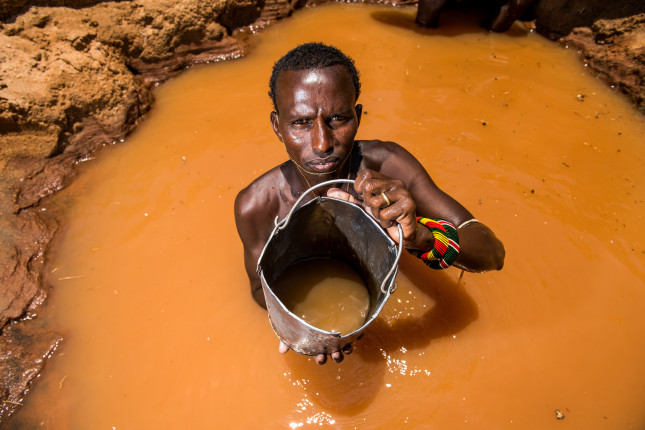
›A problem is looming. Most water infrastructure isn’t designed to meet the demands of the increasingly volatile world that climate change is producing. Our modern landscape requires a reconceptualization of infrastructure’s demands and needs that often defies convention. And nowhere is a flexible and responsive approach more crucial than in water infrastructure, where we are experiencing unprecedented changes in flows and increasing pressures on consumption, according to Wellspring: Source Water Resilience and Climate Adaptation, a new report from the Global Resilience Partnership, the Alliance for Global Water Adaptation and The Nature Conservancy. The report explores some ways practitioners can take a new approach to source water protection that would enhance resilience and help sustain communities and ecosystems in a shifting climate.
-
How Soap Operas Can Help Communities Adapt to Climate Change
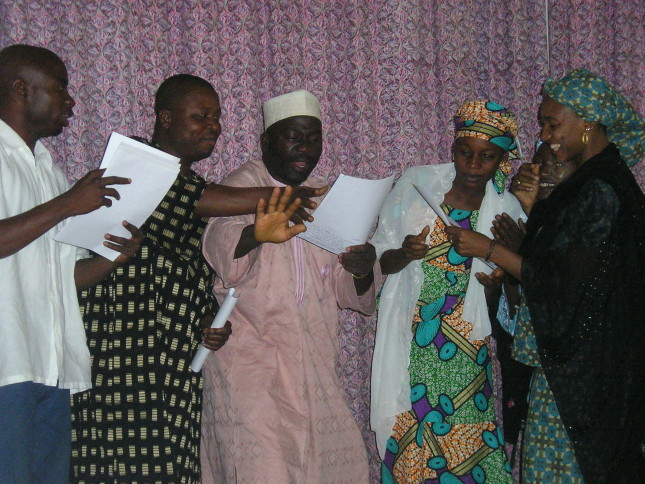
›When thinking seriously about a world increasingly afflicted by climate change, radio and television soap operas are not the first things that leap to mind. But for countries likely to suffer the most from climate change, popular serial dramas can play a critical role in helping vulnerable populations adapt to the looming challenges.
-
A Generation in Limbo: Protracted Refugee Situations in Kenya Must Be Addressed
›August 15, 2019 // By John Thon MajokThe 1951 Refugee Convention spells out refugee rights, including the right to freedom of movement. Yet 68 years later, 15.9 million people are trapped in prolonged exile, living as refugees for anywhere from 5 to 47 years and counting. The unprecedented duration of protracted refugee situations (PRS) and the increasing scale of forced migration demand a comprehensive response beyond humanitarian assistance.
-
Empowered Midwives Could Save More Lives
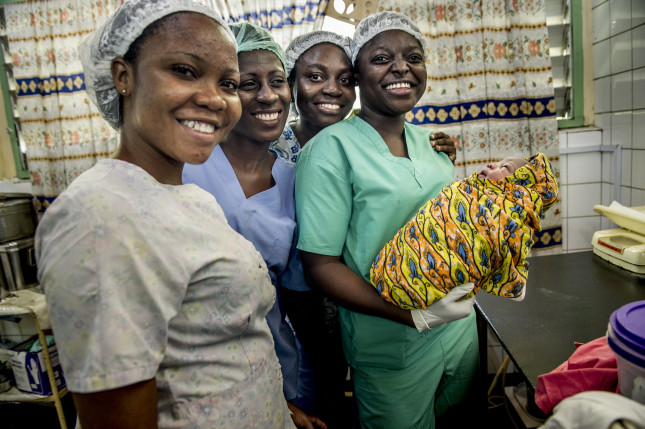
›“Midwifery is what women want and what the world needs,” said Anneka Knutsson, Chief, Sexual and Reproductive Health Branch, United Nations Population Fund (UNFPA) at the Fourth Global Midwifery Symposium held at Women Deliver on June 2, 2019. More than 200 people, mostly midwives and global midwifery experts, attended the symposium titled, “Empowered Midwives, Transformed Communities.” Organized by UNFPA, the International Confederation of Midwives (ICM), and World Health Organization (WHO), in collaboration with Jhpiego, UNICEF, Laerdal, and the Canadian Association of Midwives, the all-day symposium highlighted how the midwife-led continuity of care model and women-centered care can improve outcomes for women, their newborn, and their families. The discussion also focused on the importance of enabling environments and productive collaborations between midwives and other health professionals.
-
In Search of Consensus on Climate-Conflict Links
›What do we (think we) know about the links between climate change and armed conflict? Early attempts to theorize what climate-related conflict might look like were exceptionally successful in sparking policymaker interest in and funding of research on climate-conflict links. But they were more like works of science fiction than science. Since then, research on climate-conflict links has exploded, with hundreds of articles and working papers published on the subject. Moreover, the findings have been all over the map, with some arguing for strong impacts of climate on conflict at multiple temporal and spatial scales, while others argue—in both specific instances, about the supposedly climate-fueled Syrian Civil War, and more generally—that climate-conflict links are overstated.
 A Publication of the Stimson Center.