-
To Avoid Conflict, Responses to Climate Change in Oceania Must Heed Customary Actors and Institutions
›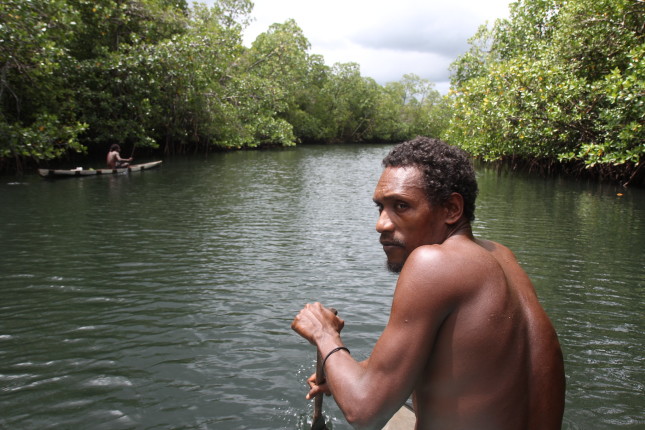
Considering how vulnerable Pacific Island countries (PIC) are to the conflict-prone effects of climate change, it is surprising that so little attention has been focused on the region. To address the conflict potential of the effects of climate change, as well as of adaptation and mitigation policies and technologies, policymakers must draw upon research related to the climate change-conflict nexus that thus far have been widely ignored or underestimated. These include cultural and spiritual aspects, indigenous knowledge, and indigenous ways of adapting to climate change. To fill gaps in knowledge, more granular ethnographic research should explore the complexity of local contexts in Oceania. Non-Western, non-anthropocentric concepts warrant particular attention.
-
Mountain Regions, ‘Taking the Heat,’ Face Growing Hazards As Ice Melts, UN Climate Panel Warns
›
Rising concentrations of heat-trapping greenhouse gases in the atmosphere are reshaping the world from the top down, according to a special report on the world’s oceans and frozen regions from the United Nations climate panel.
-
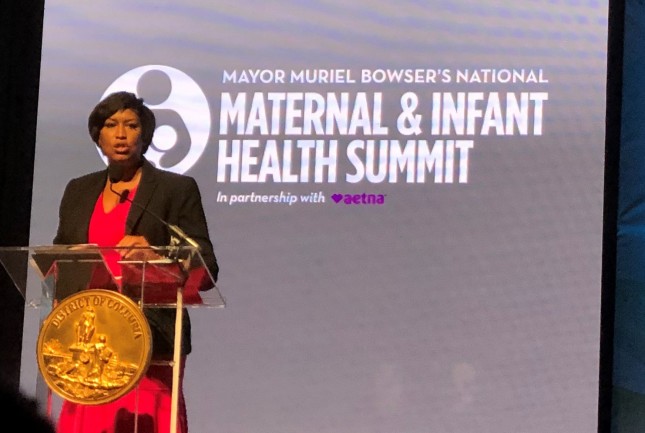
Mayor Muriel Bowser’s Maternal and Infant Health Summit: Addressing Disparities in Maternal Health in Washington, D.C.
›The maternal and child health crisis in Washington, D.C. is “a public health crisis that has been hiding in plain sight for 30 years”, said D.C. Mayor Muriel Bowser at the second annual Maternal and Infant Health Summit on September 10 at the Walter E. Washington Convention Center. Panelists at this year’s summit discussed issues such as racial disparities in healthcare, proper nutrition and breastfeeding for new and expectant mothers, and support for midwives and doulas in D.C. “The health of a nation is dependent on the health of its women,” said actress and activist, Alyssa Milano.
-
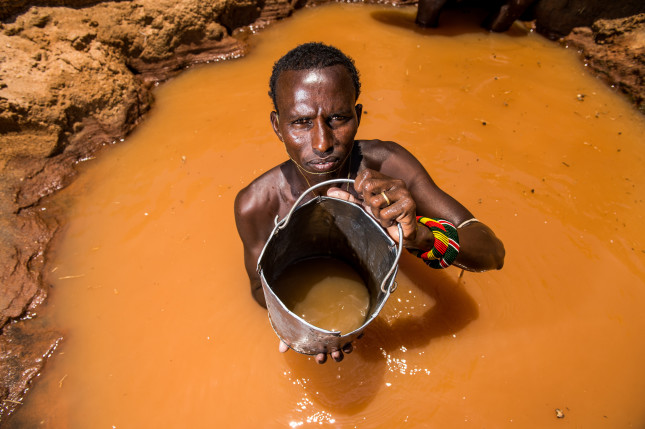
Understanding and Responding to the Role of Drought in National Security
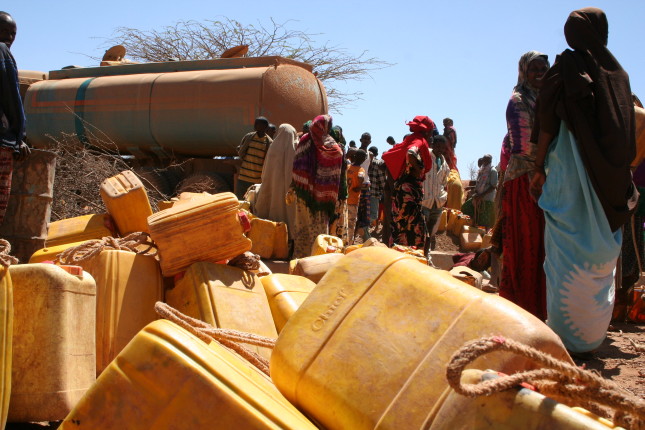
›“We don’t have a world water crisis, we have a world water management crisis,” said Brigadier General Gerald Galloway (U.S. Army Ret.) at the 2nd National Drought Forum, hosted by the National Integrated Drought Information System and the National Drought Resilience Partnership at the United States Institute of Peace. The Forum brought together subject matter experts with federal and state leaders to discuss how to strengthen the state-federal relationship to improve U.S. drought readiness and resilience.
-
Can a Synthetic Substitute Save the Pangolin?
›With on average one pangolin poached from the wild every five minutes, this scaly anteater is the most highly trafficked animal in the world. Despite an international trade ban and millions of dollars of education campaigns, the killing of the pangolin for food and medicines continues unabated. In particular, the use of its scales in traditional Chinese medicine (TCM) is a large driver of demand.
-
The Maternal Health Initiative Launches the CODE BLUE Series on Non-communicable Diseases and Maternal Health
›Each year, non-communicable diseases (NCDs) account for 2 in every 3 deaths among women globally. It is estimated that NCDs kill 35 million people each year, and women of reproductive age make up about half of these deaths. The compounding effects NCDs have on pregnancy complicate women’s experiences in many unseen ways. The rise and gravity of NCDs pose a growing and often overlooked challenge to maternal health worldwide.
-
Climate Change Will Likely Influence Fertility Rates
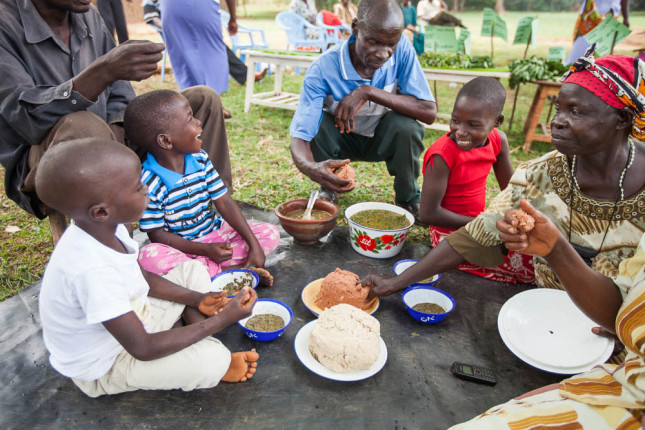
›Many of climate change’s demographic impacts—including those on migration, health, and mortality—are well known. But will climate change also affect population growth? So far, relatively little is known about whether and how the reproductive goals and behaviors of women and their partners may be influenced by a changing climate. However, a number of recent empirical studies offer evidence of such effects, underscoring the multidimensional ways that households modify their structure and activities in response to changing environmental conditions. The effects also highlight the complex and interactive linkages between population growth rates and climate change.
-
The Top 5 Posts of August 2019
›In August’s most-read post, Nathanial Matthews explains how globally, most water infrastructure isn’t designed to meet the demands of a changing climate. Matthews showcases highlights from a new report, Wellspring: Source Water Resilience and Climate Adaptation, which explores innovative approaches to source water protection in the context of a changing climate. The complications of a changing climate are not always so clear, especially its connection to armed conflict. Our fourth most popular post, by Cullen Hendrix and John O’Loughlin, shares the results of a study that aimed to provide a consensus regarding climate-conflict links.
 A Publication of the Stimson Center.