-
China’s Off-grid Solar Home Systems Light Up Lives in Sub-Saharan Africa
›China and the Global Energy Transition // China Environment Forum // Guest Contributor // July 10, 2025 // By Charles Mpaka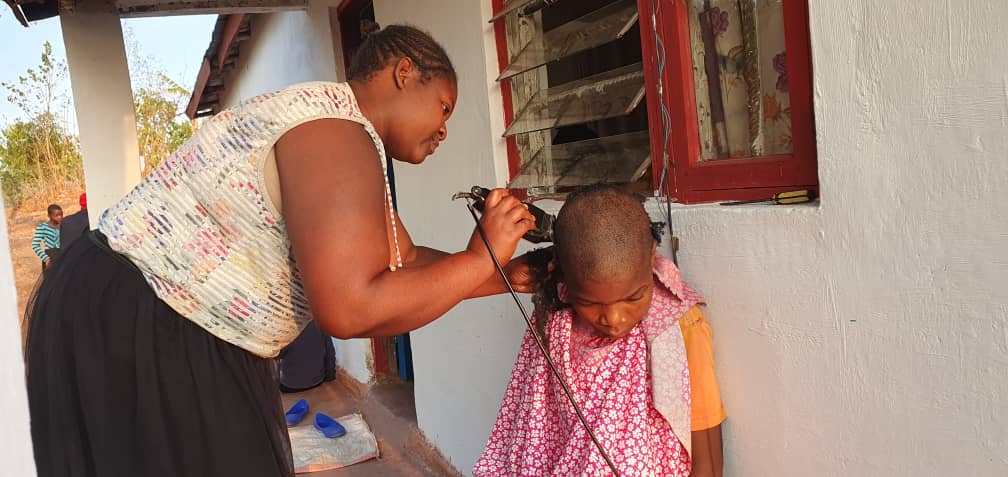
In a rural, hard-to-reach area of Blantyre district in southern Malawi, Ephraim Louis cannot imagine where his life would be without the solar panel on the roof of his house. “I am not a captive of darkness anymore,” says Louis, 42. “It’s been more than 10 years since I installed this [solar panel] system. We still don’t have the main grid anywhere near us and no one here thinks it will ever come.”
-
The Dangerous Distraction of Population Decline Alarmism
›July 9, 2025 // By Kathleen Mogelgaard
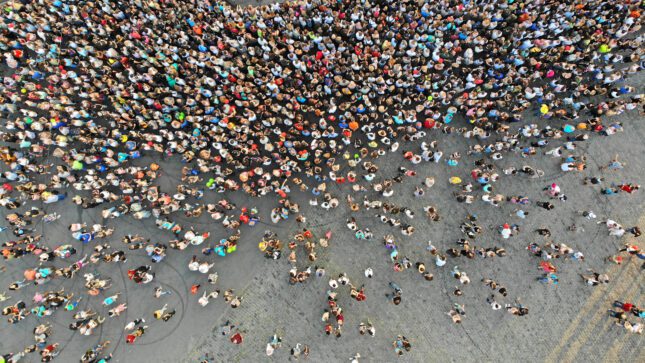
As headlines warn of falling birth rates and a “world gone gray,” a more urgent and overlooked story is unfolding: in too many places, women and girls are still being failed – with profound consequences for human health, economic growth, and sustainable development.
This week will mark the 35th World Population Day, a day established to focus attention on how population trends – growth, decline, migration, urbanization – shape our shared future. These dynamics influence everything from natural resource use and governance models to, over time, relationships among nations. Understanding where and how populations are changing allows us to plan more effectively and strategically for the future, and to steward our resources toward development success that can be truly sustained.
-
New Security Beat Finds a New Home
›July 8, 2025 // By Lauren Herzer RisiIn the wake of last week’s devastating floods in Central Texas, and with the 20th anniversary of Hurricane Katrina on the horizon, new data underscores a sobering trend: extreme weather events are becoming even more intense, more severe, and more frequent. At the same time, the very institutions and experts responsible for predicting and preparing for these rising threats are under threat themselves.
The Trump administration has significantly reduced or eliminated programs — like my former home, the Environmental Change and Security Program (ECSP) at the Wilson Center — that worked to address and communicate the climate challenges we face. Today, however, I’m pleased to announce that ECSP’s work, including the New Security Beat, has found a new home.
-
Unwrapping the Cucumber: Q&A with Friends of Nature’s Jinghua Sun on the Hidden Crisis of Produce Plastic Packaging
›A few days ago, I bought a cucumber at the grocery store. Hermetically sealed in a layer of plastic as if bracing itself for interstellar travel rather than a trip to my kitchen, I struggled to open it, my patience thinning with the plastic. At one point I considered using my teeth. That’s when it hit me: was this really necessary?
-
Suspending the Indus Waters Treaty: What it Means and Why it Matters
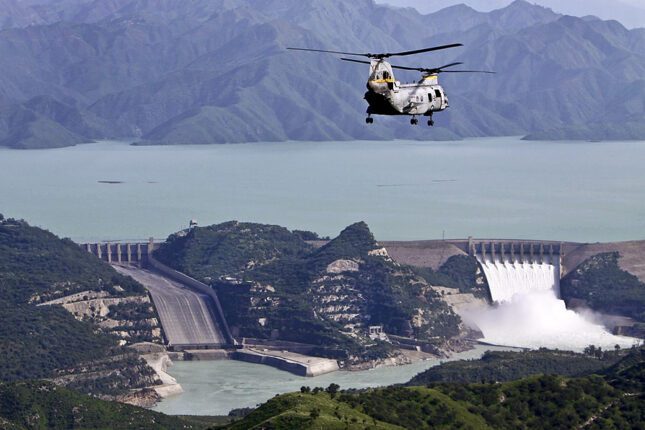
›June 18, 2025 // By Jiedine I.A. PhanbuhOn April 23, 2025, India announced the suspension of the Indus Waters Treaty (IWT) following an attack that killed more than 20 tourists in Indian-administered Kashmir. While the region’s history of political tensions and conflict has tested the treaty many times, the IWT has endured through wars, diplomatic freezes, and border conflicts. Although the two countries reached a ceasefire in May, the IWT remains suspended.
-
Plotting the Future of U.S. Foreign Aid
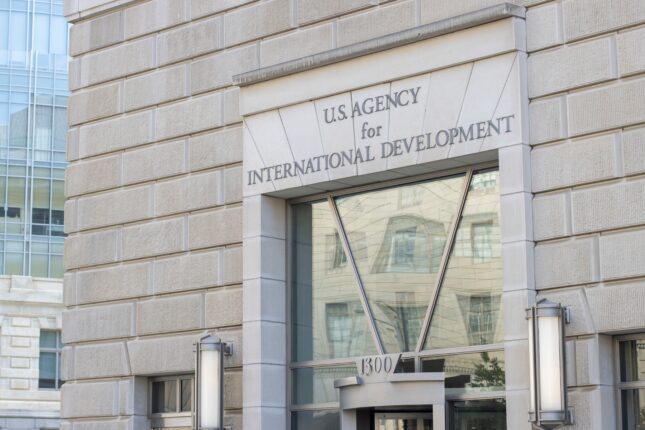
›When Secretary of State Marco Rubio formally declared the “era” of USAID over on March 28, 2025, it represented an extraordinary sea change for US foreign aid deployed over the past six decades.
Yet the world has changed dramatically since the U.S. Agency for International Development (USAID) was established by the Foreign Assistance Act of 1961 in the middle of the Cold War. So, there is every reason to thoughtfully consider what foreign aid should look like today as we navigate an era of Great Power Competition (GPC).
-
ECSP Weekly Watch | March 24 – 28
›A window into what we’re reading at the Wilson Center’s Environmental Change and Security Program
Marine Protected Areas in Tanzania Boost Living Standards (Mongabay)
In the 1990s, Tanzania established five multiuse Marine Protected Areas (MPAs) to help the country protect 30% of its oceans by 2030. However, a new study has found that the MPAs offered benefits beyond marine ecosystems by also improving the quality of life in nearby communities.
-
Debunking the Patient Capital Myth: The Reality of China’s Resource-Backed Lending Practices
›Last year, African Development Bank president Akinwumi Adesina called for the end of resource-backed loans (RBLs) for African countries, calling them “asymmetrical” and “non-transparent.” These loans—where governments pledge future resource revenues in exchange for infrastructure agreements—have been widely used across African countries with Chinese lenders playing a dominant role.
 A Publication of the Stimson Center.