-
Environmental Security Weekly Watch: August 4-8, 2025
›
A window into what we’re reading at the Stimson Center’s Environmental Security Program
A Water Security Crisis Grips Pakistan’s Indus Delta (Al-Jazeera)
The Indus delta in Pakistan is experiencing severe environmental collapse as seawater intrusion makes farming and fishing impossible. Salinity levels have risen 70% since 1990, forcing tens of thousands from coastal districts. Over 1.2 million people from the broader delta region have abandoned their homes in the past two decades. The construction of irrigation canals and hydropower dams, compounded by the impacts of climate change on glacial melt, has accelerated the crisis and reduced downstream flow by 80% since the 1950s. More than 16% of fertile Indus delta land has become unproductive, as salt crusts cover the ground and boats must transport drinking water to the region’s remaining villages.
-
Hallucinating Climate Security: A Cautionary Tale about Generative AI
›August 6, 2025 // By Tobias Ide
Recent studies indicate that over 90% of all students – and an increasing number of policy makers – are using generative artificial intelligence (GenAI) to process large amounts of data and rapidly collect dispersed information in 2025. In a burgeoning field of knowledge such as climate security, having tools to process and analyze large amounts of information might prove particularly helpful. Some studies on climate security research detect over 1,000 (and counting) academic articles, in addition to an even larger grey literature.
-
The Cost of Ceding the Field to China on Climate Change
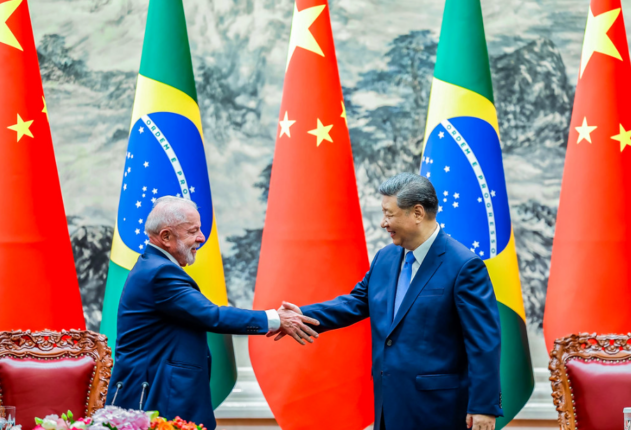
›Summer is often a time for grim climate milestones, as ever-more intense heatwaves scorch large swathes of the planet. But this year, the bad news arrived earlier than usual when the United States refrained from sending representatives to the UN-sponsored climate talks in Bonn, Germany, for the first time in the talks’ 30-year history. The intercessional talks are in some ways more important ever than the more widely reported on climate COPs because they are where many especially tricky issues are negotiated. The Trump Administration’s unilateral withdrawal from international negotiations is bad news for the climate. But it is even worse news for US national security. Climate diplomacy is a big part of soft power and influence, and Washington is rapidly losing out to Beijing.
-
Northern Myanmar’s Rare Earths Are Shaping Local Power and Global Competition
›August 4, 2025 // By Amara ThihaThis article is adapted from “Rare Earths and Realpolitik: Kachin Control, Chinese Calculus, and the Future of Mediation in Myanmar,” written by Amara Thiha for the Stimson Center.
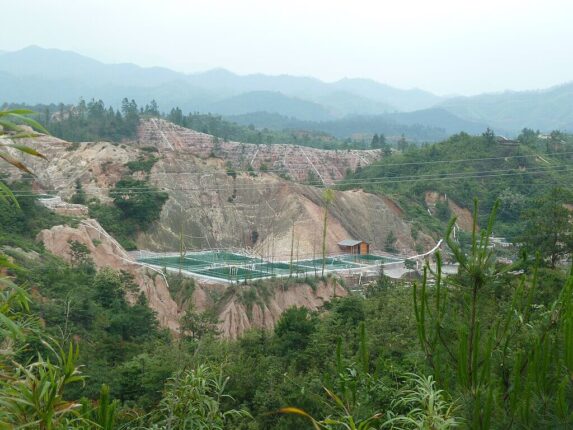
As global powers race to secure critical minerals, Myanmar’s rare earths have emerged as both prize and flashpoint. Last week, Reuters reported that the Trump administration has been privately reviewing competing proposals to access Myanmar’s heavy rare earth minerals, including potential engagement with Myanmar’s military junta and direct negotiation with the Kachin Independence Army (KIA), an ethnic armed group that now controls key extraction sites. Since the February 2021 military coup, rare earth mining has surged in northern Kachin State near the Chinese border, where the KIA has seized highly valuable rare earth mines and a critical corridor in the global supply chain. What began as a local insurgency has evolved into resource-backed diplomacy, drawing in China, India, and now the United States.
-
Environmental Security Weekly Watch: July 28-August 1, 2025
›A window into what we’re reading at the Stimson Center’s Environmental Security Program
Low Political Will and Depleted Supplies: Inside Iran’s Water Crisis (The New York Times)
Water shortages are a day-to-day reality for many Iranians, as reservoirs shrink, taps run dry for hours, and water pressure remains so low that it doesn’t reach above the second floor. This acute water crisis is driven by a confluence of climatic changes and poor water policies, as Iran’s five-year drought has combined with overdevelopment, excessive dam development, and draining groundwater for agriculture to push already dwindling supplies to the brink.
-
Tapping an Innovative Climate Solution: Upscaling Food Waste to Animal Feed in Japan and China
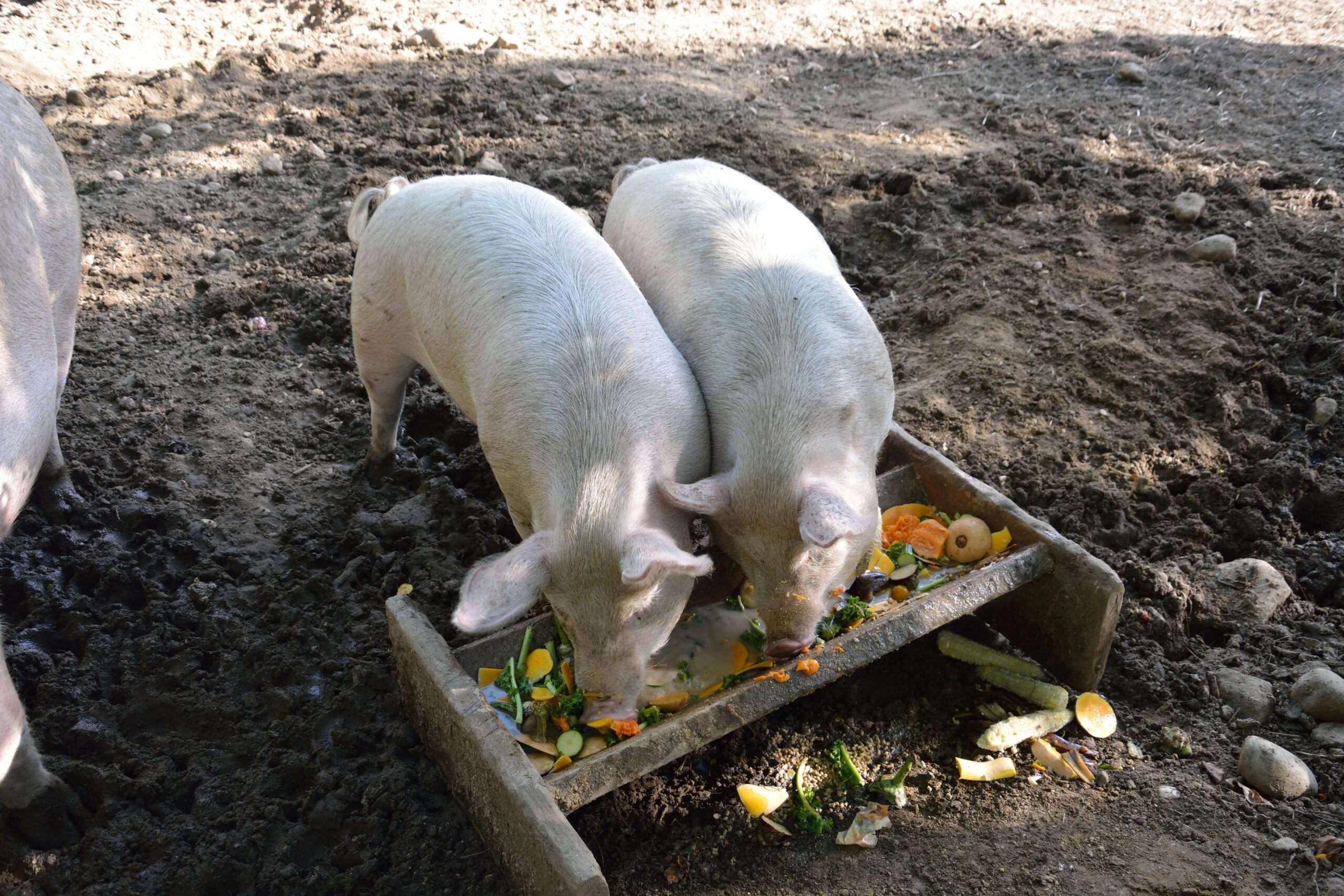
›The numbers are staggering. A third of the food produced in the world is lost or wasted—from farms and food processing factories to grocery stores, restaurants, and homes. This growing mountain of rotting food is a major methane emitter, accounting for 8 to 10 percent of global greenhouse gas emissions. If food waste were a country, it would be the third largest greenhouse gas emitter, with the United States and China as leading food wasters.
-
Rebel Governance in an Age of Climate Change
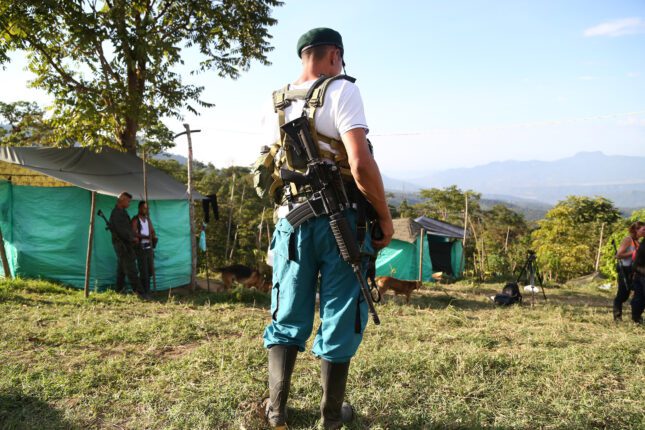
›July 30, 2025 // By Elisabeth Gilmore, Kathleen Cunningham, Leonardo Gentil-Fernandes, Reyko Huang, Danielle F. Jung & Cyanne E. LoyleIn Myanmar’s resource-rich Kachin State, deforestation linked to illegal logging and mining has surged over the past decade. While the national government struggles to assert control, the Kachin Independence Organization (KIO)—a political organization seeking autonomy for Kachin State in Myanmar—has also stepped in to regulate land use, restrict timber harvests, and manage permits. These activities serve to conserve local ecosystems and extract revenue. KIO’s environmental governance is strategic, aiming to bolster civilian support and consolidate territorial control. It is also shaping how communities cope and adapt to climate change.
-
Somalia’s New Climate Roadmap as a Blueprint for Peace
›Somalia’s new Nationally Determined Contribution (NDC)—the country’s roadmap for climate mitigation and adaptation—does more than outline the country’s climate ambitions. It recognizes the connections between climate change and conflict and charts a course for peace.
 A Publication of the Stimson Center.