-
Climate Change is a Security Issue: An Interview with Geoff Dabelko
›
Climate change is a threat multiplier; it is an underlying and exacerbating factor that makes things worse at a level that all actors, including security actors, need to pay attention to, said Geoff Dabelko, Professor and Associate Dean at the George V. Voinovich School of Leadership and Public Affairs at Ohio University and Senior Advisor to the Wilson Center’s Environmental Change and Security Program. He spoke in a recent interview about climate change and security as part of CimpaticoTV’s Climate Adaptation Channel.
-
Women Transforming Peace: Evaluating Progress 20 Years After Resolution 1325
›
“Despite national action plans and legislation in 84 countries, women remain undervalued in peacebuilding, and we know today [women are] seriously underrepresented in peace processes,” said Kathleen Kuehnast, Director of Gender Policy and Strategy at the United States Institute of Peace (USIP), at a recent event with USIP and the U.S. Civil Society Working Group on Women, Peace and Security (U.S. CSWG).
-
Sharon Guynup, Mongabay
Landed by the thousands: Overfished Congo waters put endangered sharks at risk
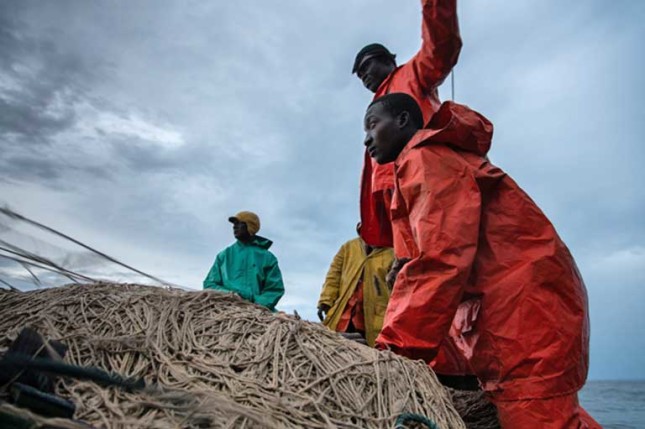
›October 27, 2020 // By Wilson Center StaffIn a video clip, seven fishermen climb into a wooden “Popo” boat that’s beached on the Republic of the Congo’s sandy shoreline. They start up the motor of the 40-foot, limo-length motorized canoe and head out into the Atlantic. The men aboard the weathered craft — its blue paint chipped and faded by years of salt and sun — could be out for a week.
-
Why Secondary Cities Deserve More Attention
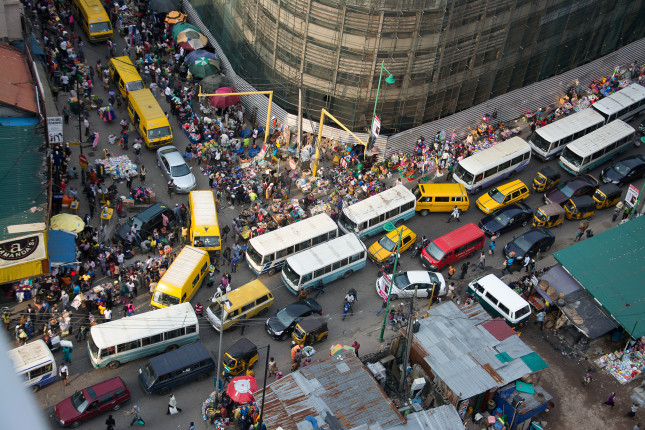
›Mention London, Rome, or New York, and people immediately conjure up Big Ben, the Colosseum, the Statue of Liberty. Beijing, Cairo, Mumbai? Check. They’ve heard of them. Megacities, the ones with lots of history, lots of people, and an oversized impact on the economy and culture, tend to be well-known.
Fewer people may know much about Addis Ababa, Dhaka, Lagos, or São Paulo — yet many would recognize the names. But who knows or has been to Darkhan, Mongolia or Santa Fe, Argentina or Boké-Kamsar in Guinea?
-
Building Bridges: What It Will Take to Develop a Safe, Effective COVID-19 Vaccine
›“I think we have to remember not to forget what these diseases did in the past and to actively collaborate, to work with each other, and to communicate well that vaccines work,” said Dr. Paul Duprex, Director of Pitt’s Center for Vaccine Research and Professor of Microbiology and Molecular Genetics at a recent Wilson Center event on the development of a COVID-19 vaccine, co-sponsored by the University of Pittsburgh (Pitt), March of Dimes, and the Jonas Salk Legacy Foundation.
-
In Sub-Saharan Africa, Community Health Workers Support Sustainable Health Systems and COVID-19 Response
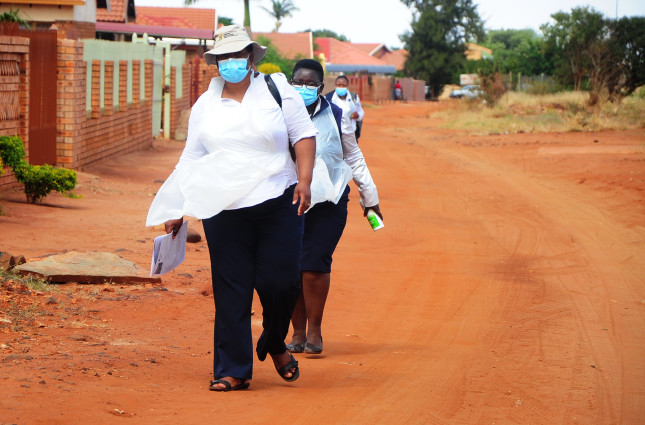
›“If there’s one message, it’s health systems need to be resilient, agile, and equitable,” said Uzma Alam, a researcher at the Africa Institute for Health Policy Foundation and Senior Program Officer of the Africa Academy of Sciences. “No one person, no one community, no one minority can be left behind. After all, your health system is as agile, as resilient as your weakest link.” She spoke at a recent Wilson Center event co-sponsored with the Population Institute, “Lessons from Africa: Building Resilience through Community-Based Health Systems.” The event focused on how locally led interventions improved the resilience and responsiveness of health systems in sub-Saharan Africa.
-
Climate Superpowers Could Alter Foreign Policy Landscape
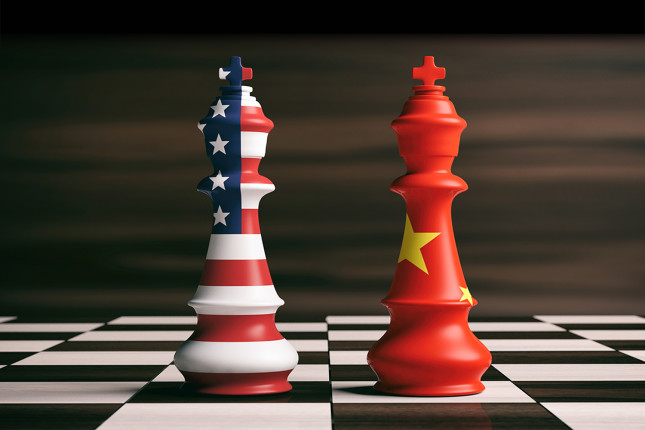
›“Climate change has the potential to be a very important confidence-building measure between the United States and China,” said Sharon Burke, Senior Advisor of the International Security Program and Resource Security Program at New America. “Because no matter what else is happening in our relationship, we can succeed together on climate change.” She spoke at the launch for a project co-led by the Wilson Center’s Environmental Change & Security Program and adelphi, “21st Century Diplomacy: Foreign Policy is Climate Policy.” Hosted as part of the Berlin Climate and Security Conference, the discussion focused on the “climate superpowers” section of the project.
-
With War Over the GERD Unlikely, Institutionalizing Nile River Diplomacy Would Be a Wise Next Step
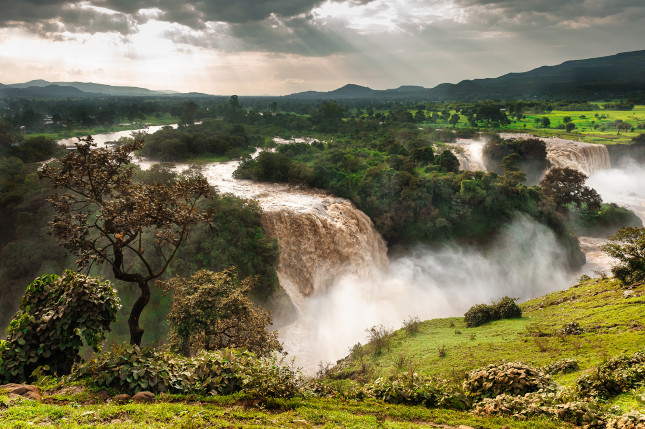
›The Grand Ethiopian Renaissance Dam (GERD) poses numerous challenges for the Nile river basin, but it also presents an opportunity for regional collaboration and shared prosperity, said Aaron Salzberg, Director of the Water Institute at the University of North Carolina and Wilson Center Global Fellow, at a recent event hosted by the University of North Carolina’s Center for Middle East and Islamic Studies.
 A Publication of the Stimson Center.