-
Smart Power: Leveraging the Women, Peace, and Security Agenda
›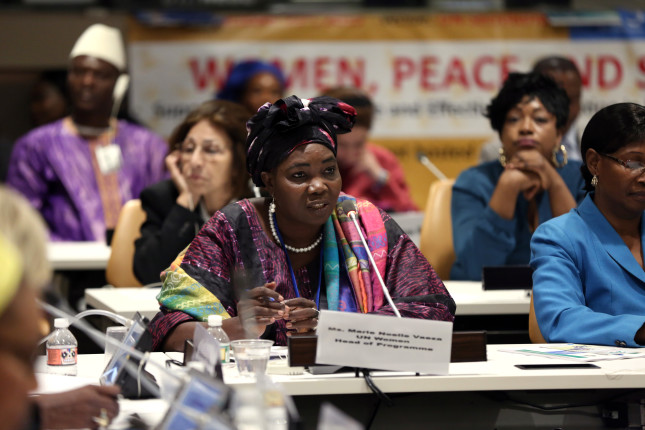
“Without women and empowering women, there will be no peace,” said Dr. Valerie Hudson, Distinguished Professor and George H.W. Bush Chair at Texas A&M University. Hudson spoke at an event by the United States Institute of Peace (USIP) and the United States Department of Defense (DoD) in collaboration with the United States Civil Society Working Group on Women, Peace, and Security (U.S. CSWG). The event focused on how the United States can leverage the United Nation’s Women, Peace, and Security (WPS) agenda to advance gender equality and promote peace worldwide.
-
Embracing Risk: Lessons Learned from Integrating Climate Adaptation and Biodiversity Conservation in Nepal
›
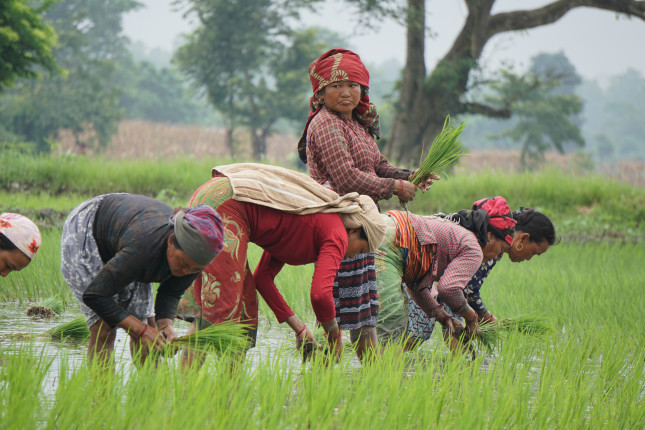
The Hariyo Ban Program is one of the best examples of a sustainable development initiative that I’ve ever seen, said Nik Sekhran, Chief Conservation Officer of the World Wildlife Fund-US during a recent Wilson Center event on lessons learned from a decade of building resilience through participatory and inclusive natural resource management, climate adaptation, and biodiversity conservation in Nepal.
-
No Peace Without Water, No Water Without Peace, and Neither Without Women’s Empowerment
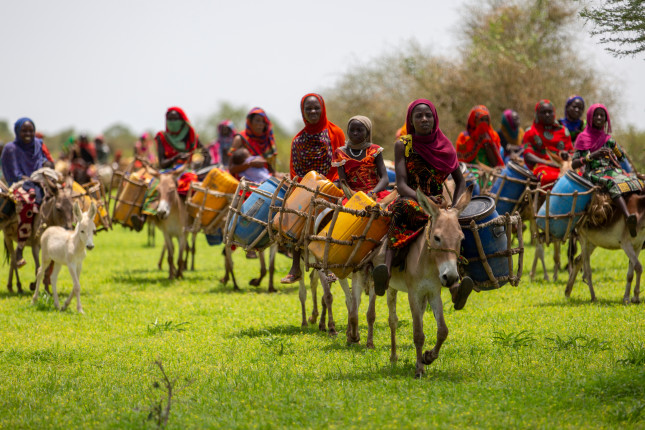
›Water deprivation is increasingly recognized as a political and security problem. Tensions resulting from the growing imbalance between global water demand and supply can escalate into conflict. Efforts to solve water-related conflicts and promote water cooperation for peace, termed “water diplomacy” or “hydro-diplomacy,” continue to be male-dominated. Several recent events and related publications are contributing to bridging this persistent gender gap.
-
Sharon Guynup, Mongabay
Can ‘Slow Food’ save Brazil’s fast-vanishing Cerrado savanna?
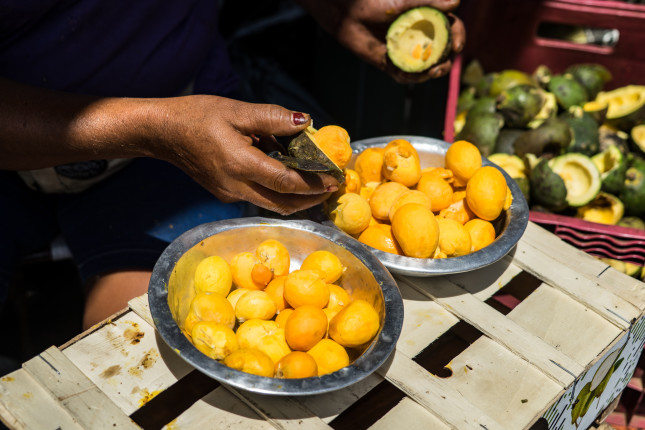
›April 2, 2021 // By Wilson Center StaffIt’s November in southeast Brazil, and the tall, feathery macaúba palms (Acrocomia aculeata) are beginning to drop ripe coconuts. By January, the ground is littered with them, as some 67 families that live nearby, outside the town of Jaboticatubas, get to work dragging the trove home.
This coconut serves as the lifeblood for these traditional farming communities in the Cerrado savanna in Minas Gerais state, Brazil. Archaeological sites trace its use back to at least 9,000 B.C.
Every part of the all-purpose coconut is used, from its delicious yellowish flesh to the nut at its core. It’s a favorite kids’ snack, and is used to make a highly nutritious flour, baked into bread and cookies. Livestock eat it too.
-
Building an On-ramp for Catalytic Capital to Reduce Plastic Leakage: Q&A with Circulate Capital’s April Crow
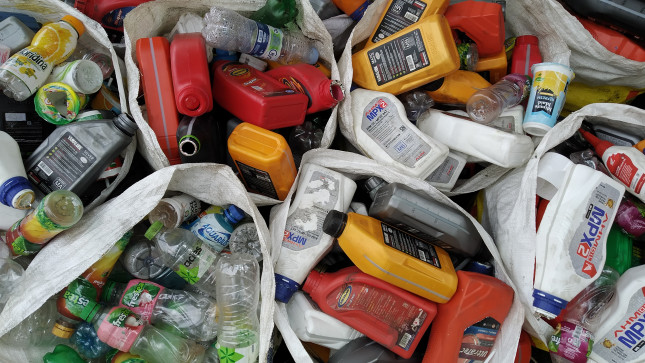
›Back in 2005, as a part of the Coca-Cola Company Environmental Team, April Crow was a pioneer working on the concept of sustainable packaging. In the mid-2000s, despite stories on the great pacific garbage patch, ocean plastic waste was not high on policy or corporate agendas. April believed this was due to a lack of scientific data on the scale and threat of plastic waste. To fill this gap, April’s team partnered with Ocean Conservancy to convene leading scientists to help fill these knowledge gaps. Their research found the majority of marine plastic pollution stemmed from five Asian countries that lacked waste management infrastructure, which if fully in place, could reduce leakage by 45 percent. This insight raised a challenging question—how can companies and aid agencies bring funding to these markets to facilitate better infrastructure and prevent plastic leakage?
-
COVID-19 Causes Dire Disruptions in Maternal, Child, and Reproductive Health Services
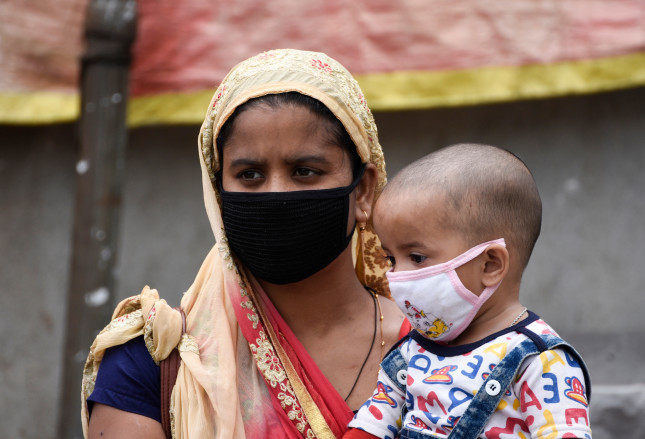
›“The pandemic has undoubtedly resulted in more deaths and more illness – particularly for the most vulnerable women and children,” write the authors of a new United Nations International Children’s Emergency Fund (UNICEF) report examining the direct and indirect effects of the COVID-19 pandemic in South Asia. The report found that the disruptions in several essential health services due to the COVID-19 pandemic had a “substantial impact” on maternal and child mortality in the region.
-
Arctic Security Redefined: Human Security Through an Arctic Urban Lens
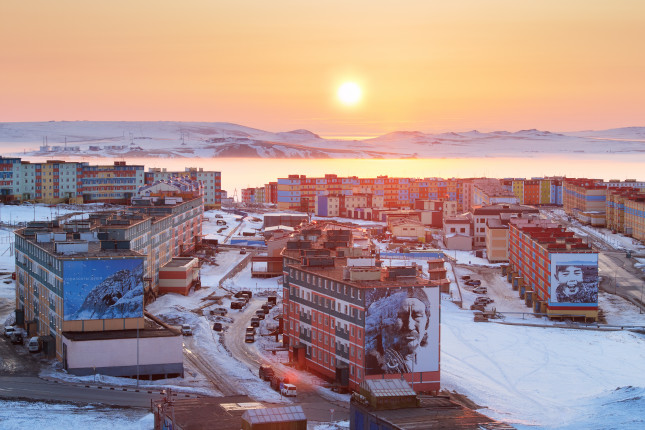
›“We are so few, we have no one to lose,” said Christina Henriksen, the president of Saami Council, during an interview on Coronavirus in the Arctic. The COVID-19 pandemic highlights the vulnerability of Arctic residents and the longstanding challenges related to the lack of sanitization, social infrastructure, and health service capacities. The impacts of the pandemic are coupled with the potential negative effects of climate change, including a 3-5 °C temperature increase projected over the Arctic Ocean by 2050.
-
Avoiding Crisis in Jordan’s Tenuous Water Future
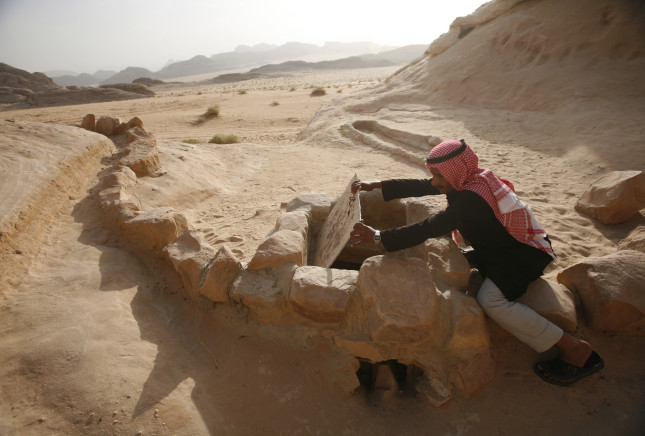
›Jordan is facing a deepening, multi-faceted freshwater crisis. Climate change and population growth are exacerbating its extremely limited natural water availability and dependence on transboundary rivers and groundwater. Water-poor and functionally landlocked, Jordan serves as an archetype of a water-stressed nation.
 A Publication of the Stimson Center.