• woodrow wilson center
  • ecsp

New Security Beat

Subscribe:
  • rss
  • mail-to
  • Who We Are
  • Topics
    • Population
    • Environment
    • Security
    • Health
    • Development
  • Columns
    • China Environment Forum
    • Choke Point
    • Dot-Mom
    • Friday Podcasts
    • Navigating the Poles
    • Reading Radar
  • Multimedia
    • Water Stories (Podcast Series)
    • Backdraft (Podcast Series)
    • Tracking the Energy Titans (Interactive)
  • Films
    • Water, Conflict, and Peacebuilding (Animated Short)
    • Paving the Way (Ethiopia)
    • Broken Landscape (India)
    • Scaling the Mountain (Nepal)
    • Healthy People, Healthy Environment (Tanzania)
  • Publications
  • Events
  • Contact Us

NewSecurityBeat

The blog of the Wilson Center's Environmental Change and Security Program
Showing posts from category Yemen.
  • Advancing U.S. Prosperity and Security in a Thirsty World

    ›
    Guest Contributor  //  March 22, 2017  //  By Jane Harman & Carter Roberts
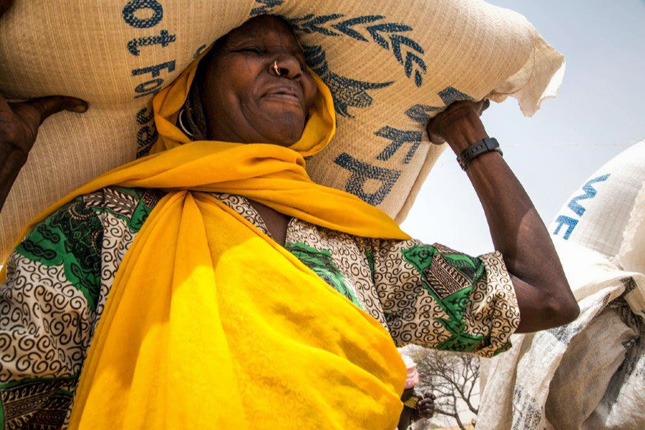
    Chad-from-ISS

    The waters of Lake Chad sustain 70 million people in four countries. Beginning in the 1970s, the 25,000-square-kilometer lake began shrinking due to excessive drawdown for agriculture and mining. Now only 10 percent remains. The dwindling water supply devastated food production and fostered massive economic and political tensions. Many experts credit the worsening conditions for contributing to the rise of Boko Haram, an extremist group that has killed 20,000 people and forced 2.3 million more to flee.

    MORE
  • White House Announces Steps to Address Climate and National Security Alongside New Intelligence Assessment

    ›
    September 22, 2016  //  By Schuyler Null, Cara Thuringer & Lauren Herzer Risi
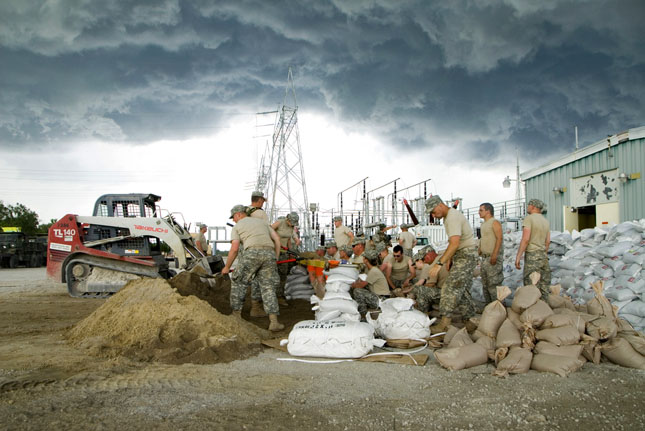
    Iowa-National-Guard

    Yesterday afternoon President Obama announced a new Presidential Memorandum on climate change and national security. The policy directs 20 federal agencies to consider the national security implications of climate change and establish a working group that will develop a Climate Change and National Security Action Plan for the federal government.

    MORE
  • Hunger in Shangri-La: Causes and Consequences of Food Insecurity in the World’s Mountains

    ›
    Guest Contributor  //  June 6, 2016  //  By Andrew Taber
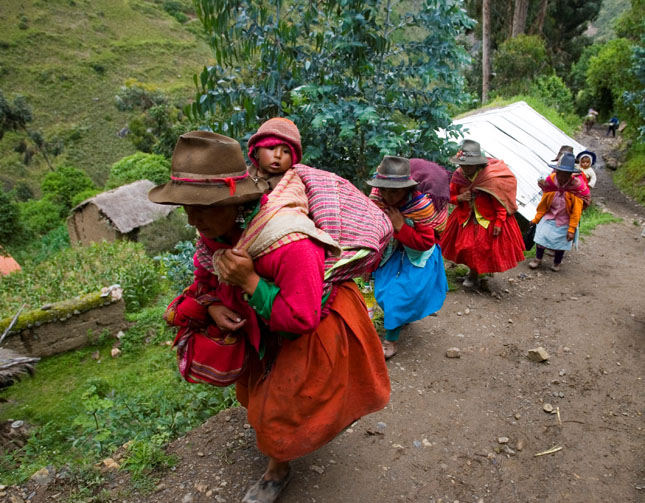
    Chichaucancha1

    Over the past decade, the number of undernourished people around the world has declined by around 167 million, to just under 800 million people. However, this positive trend glosses over a stark reality: Food insecurity is increasing in the world’s mountains. This pattern has been under-recognized by development experts and governments, a dangerous oversight with far-reaching social and environmental repercussions.

    MORE
  • Water Is the Climate Challenge, Says World Bank

    ›
    May 6, 2016  //  By Schuyler Null

    How will climate change affect you? Probably through water.

    That’s the major message of a new World Bank report that finds the ways governments treat water can have a profound effect on the economy.

    MORE
  • Behind the Headlines, Emerging Security Threats in the Middle East

    ›
    Guest Contributor  //  May 4, 2016  //  By Anders Jägerskog & Ashok Swain
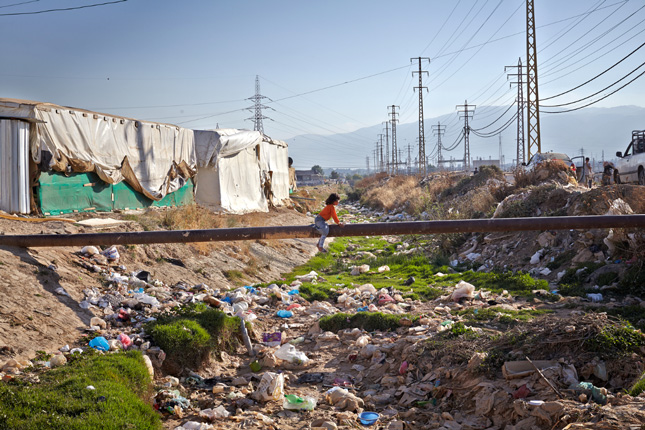
    Lebanon-camp

    The Middle East, as much as ever, is the focus of international attention, but the obvious crises may be a distraction from deeper underlying issues.

    MORE
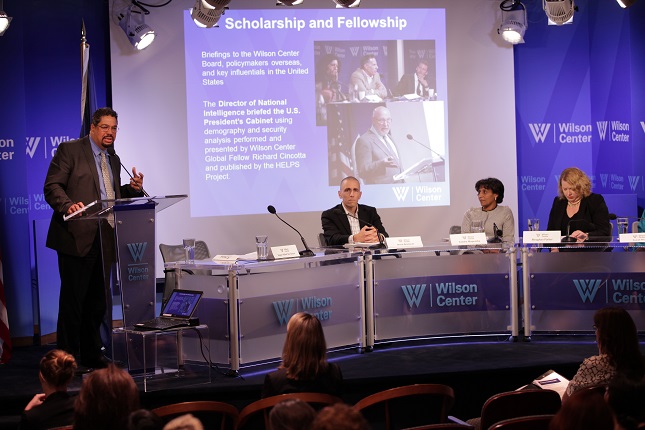
  • Engaging Decision-makers on Family Planning: Some Right IDEAs

    ›
    From the Wilson Center  //  August 10, 2015  //  By Carley Chavara
    IDEA Event at Wilson

    Just a few years ago, progress on global family planning and reproductive health policy seemed to be stuck in a rut. “For 20 years, development money for health had been directed to fight HIV and poverty, and as a result, momentum, interest, and funding for family planning had dwindled,” said Susan Rich, vice president of global partnerships for the Population Reference Bureau (PRB), at the Wilson Center on July 15. “Unmet need for family planning was high all over the world, but especially in Africa.” [Video Below]

    MORE
  • Codi Yeager-Kozacek, Circle of Blue

    Middle East Conflicts Jeopardize Water for Millions

    ›
    June 15, 2015  //  By Wilson Center Staff
    Ramadi

    The original version of this article, by Codi Yeager-Kozacek, appeared on Circle of Blue. 

    Millions of people across the Middle East face drought, scarce drinking water supplies, and poor sanitation due to civil wars and conflict. Meanwhile, resource constraints and foreign military interventions risk more severe humanitarian disasters.

    MORE
  • Blockade of Yemeni Ports Has Unintended Consequences on Food Security, Somali Fishing Industry

    ›
    Guest Contributor  //  April 23, 2015  //  By Sarah Glaser
    Berbera Harbor2

    Hundreds of Yemenis have been killed since Houthi rebels overthrew President Abdu Rabu Mansour Hadi at the beginning of April. The instability next door has led Saudi Arabia to intervene with a bombing campaign and, most recently, impose a blockade of Yemen’s port cities to cut off what they claim is Iranian resupply of rebels. Besides blocking weapons though, the blockade is also having a major impact on food security and food assistance, and is even affecting livelihoods in Somalia.

    MORE
Newer Posts   Older Posts
View full site

Join the Conversation

  • RSS
  • subscribe
  • facebook
  • G+
  • twitter
  • iTunes
  • podomatic
  • youtube
Tweets by NewSecurityBeat

Trending Stories

  • unfccclogo1
  • Pop at COP: Population and Family Planning at the UN Climate Negotiations

Featured Media

Backdraft Podcast

play Backdraft
Podcasts

More »

What You're Saying

  • Volunteers,At,The,Lagos,Food,Bank,Initiative,Outreach,To,Ikotun, Pan-African Response to COVID-19: New Forms of Environmental Peacebuilding Emerge
    Rashida Salifu: Great piece 👍🏾 Africa as a continent has suffered this unfortunate pandemic.But it has also...
  • A desert road near Kuqa An Unholy Trinity: Xinjiang’s Unhealthy Relationship With Coal, Water, and the Quest for Development
    Ismail: It is more historically accurate to refer to Xinjiang as East Turkistan.
  • shutterstock_1779654803 Leverage COVID-19 Data Collection Networks for Environmental Peacebuilding
    Carsten Pran: Thanks for reading! It will be interesting to see how society adapts to droves of new information in...

What We’re Reading

  • Rising rates of food instability in Latin America threaten women and Venezuelan migrants
  • Treetop sensors help Indonesia eavesdrop on forests to cut logging
  • 'Seat at the table': Women's land rights seen as key to climate fight
  • A Surprise in Africa: Air Pollution Falls as Economies Rise
  • Himalayan glacier disaster highlights climate change risks
More »
  • woodrow
  • ecsp
  • RSS Feed
  • YouTube
  • Twitter
  • Facebook
  • Home
  • Who We Are
  • Publications
  • Events
  • Wilson Center
  • Contact Us
  • Print Friendly Page

© Copyright 2007-2021. Environmental Change and Security Program.

Woodrow Wilson International Center for Scholars. All rights reserved.

Developed by Vico Rock Media

Environmental Change and Security Program

Woodrow Wilson International Center for Scholars

Ronald Reagan Building and International Trade Center

  • One Woodrow Wilson Plaza
  • 1300 Pennsylvania Ave., NW
  • Washington, DC 20004-3027

T 202-691-4000