-
Ambassador Marcia Bernicat on the U.S. Global Water Strategy
› The overarching goal of the U.S. Global Water Strategy is to create a more water secure world, said Ambassador Marcia Bernicat, Principal Deputy Assistant Secretary for the Bureau of Oceans, and International Environmental and Scientific Affairs at the U.S. Department of State at a recent Wilson Center event. “Simply put,” she said, “a world where people have the water they need, where they need it, when they need it, without living in fear of floods or droughts.”
 -
The MEDEA Legacy: Darkened Data Shed Light on a Changing Planet and Environmental Security
›March 27, 2019 // By Evan Barnard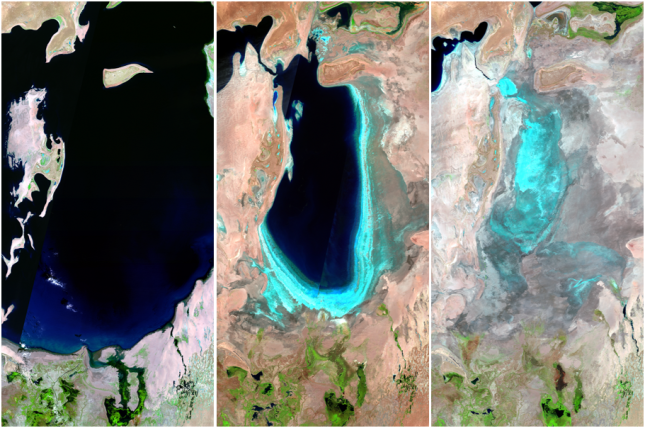
In 2018, California experienced its most destructive wildfires in history. Satellite imagery shared by NASA scientists helped firefighters track fires and map damage by comparing satellite images documenting changes to the Earth’s surface. These types of images existed for decades but were classified for military purposes until the government program MEDEA identified their potential benefit and advocated for public access in the 1990s. According to former National Oceanic and Atmospheric Association (NOAA) Chief Scientist and MEDEA member Richard Spinrad, “the systems that might be used for early detection of a missile launch may work equally well for detection of wildfires.”
-
Stopping Wildlife Trafficking Could Help Strengthen U.S. National Security
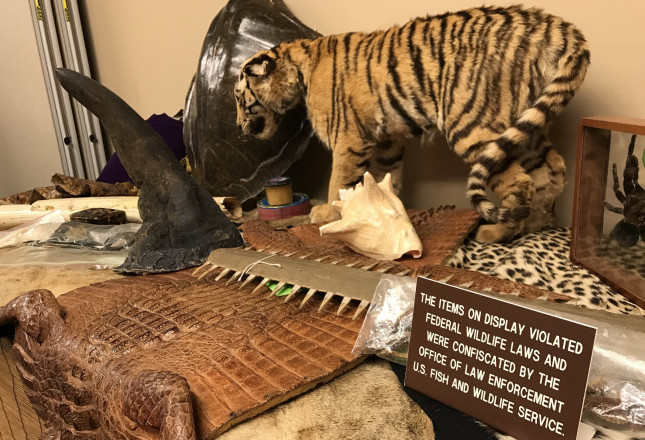
›“The current administration needs to continue to work with nations, nonprofits, and the private sector to halt wildlife poaching, transit, and consumption,” said Chairman of the House Foreign Affairs Committee, Rep. Eliot Engel (D-NY) during his opening remarks at the recent Natural Security Capitol Hill Briefing. He and national security and conservation experts gathered for a panel discussion on how to combat wildlife trafficking and the effects of climate change on national security.
-
Anticipatory Intelligence: Climate Change in the National Intelligence Strategy
›January 29, 2019 // By Marisol MaddoxOn January 22, Director of National Intelligence (DNI) Daniel R. Coats released the National Intelligence Strategy (NIS) for 2019, which represents a departure from the last such strategy. While the previous 2014 National Intelligence Strategy specifically noted that food, water, and energy resource insecurity contribute to instability, the 2019 NIS does not mention these concerns beyond a single reference to climate change and resource scarcity as “pressure points.”
-
The Tetherball Effect: How Efforts to Stop Migration Backfire
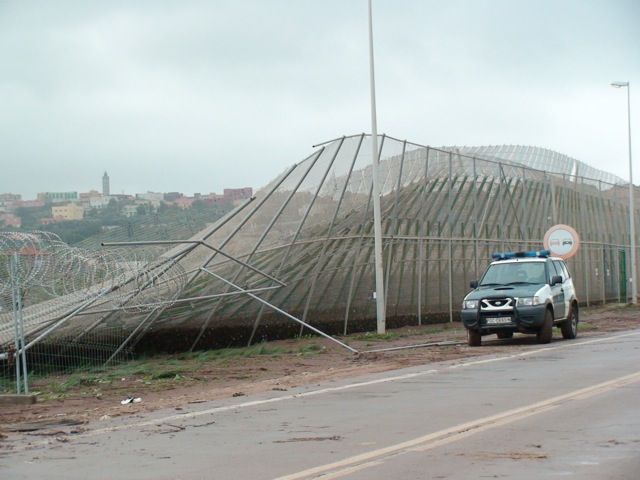
›Fears of Central American caravans and Saharan smugglers keep European and U.S. leaders up at night. Desperate to manage migration, they turn to short-term fixes, which include blocking borders and supporting authoritarian leaders to contain people—their own citizens and others—before they get close to Europe or the United States. This bit of political theater appeals to some, but has limited effects in overall numbers. The long game consists of addressing root causes so people no longer feel compelled to move at all. But this too will do little to prevent migration north. If anything, it will encourage more people to move.
-
Hurricane Maria’s Death Toll: Public Health Researchers Voice Frustration
›Once again, we find ourselves witnessing another calamitous hurricane event in the United States, just weeks after a George Washington University report estimated that nearly 3,000 more people died in the 6 months following last year’s Hurricane Maria than would have without the hurricane. We have been here before, too many times. With each and every major disaster, the scientists who study public health in crises ask ourselves, is what we have learned and shared being taken seriously—or is it just being ignored? The response to Hurricane Maria, which devastated Puerto Rico last year, is just one more example where we have to ask if our work is valued by those who have the political power to improve public health. The staggering number of excess deaths—most of whom died after the storm—point to a deadly lack of prevention and preparedness, particularly in the public health system.
-
China vs. United States: Competition Over Rare Minerals Ratchets Up
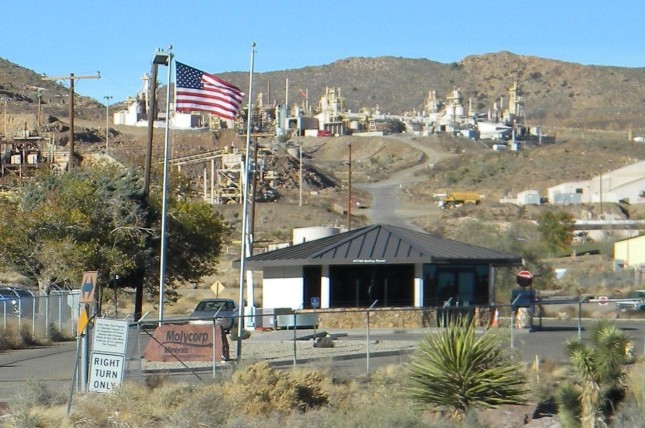
›“Historically, resource conflicts have often centered on fuel minerals, like oil. Future resources conflicts may however focus more on competition for non-fuel minerals that enable [modern] technologies,” said Andrew Gulley, Mineral Economist at the United States Geological Survey. America’s 2018 National Defense Strategy says that great power competition is the country’s most important defense challenge. Its key competitor for resources is China. Gulley was among several experts gathered at New America on September 20 to discuss the new competitive space and prospects for conflict or cooperation.
-
America Must Act on the North and South Poles
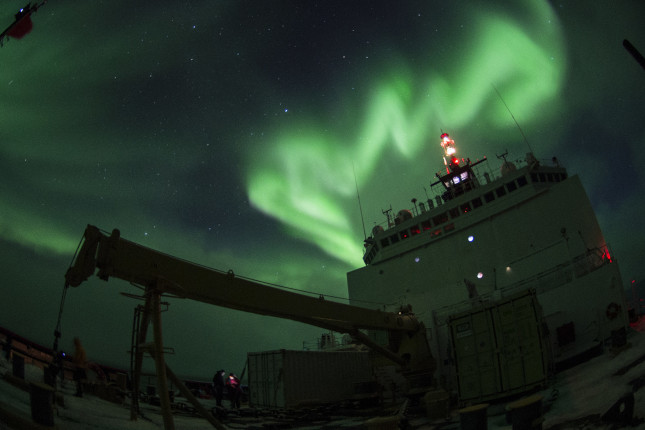
›The two poles of our planet—the Arctic and Antarctica—demand greater attention right now. For decades, the United States has played a leadership role in both regions, a responsibility that it must continue to fulfill as a warming climate and other drivers of change are creating new challenges and opportunities. Regrettably, the Trump Administration has not devoted the resources or high-level attention necessary to maintaining American leadership position on these critical matters.
Showing posts from category U.S..
 The overarching goal of the U.S. Global Water Strategy is to create a more water secure world, said Ambassador Marcia Bernicat, Principal Deputy Assistant Secretary for the Bureau of Oceans, and International Environmental and Scientific Affairs at the U.S. Department of State at a recent Wilson Center