-
Heather McGray & Kathleen Mogelgaard, World Resources Institute
Not Just Mitigation: National Climate Plans Raise Adaptation’s Profile
›August 13, 2015 // By Wilson Center Staff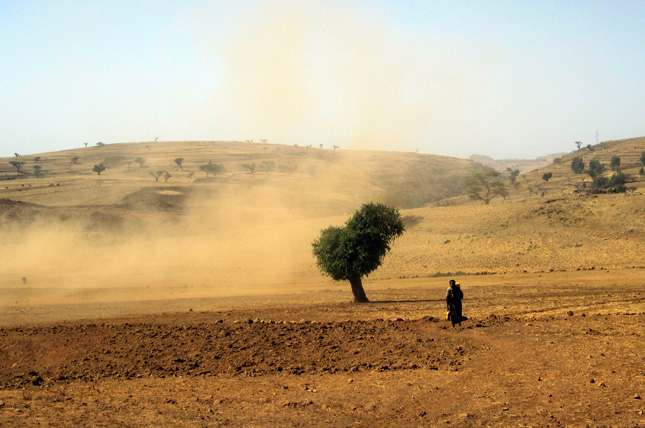
As the world prepares for a pivotal climate conference in Paris this December, countries are offering their national plans to tackle a changing climate. These plans, known as intended nationally determined contributions (INDCs), contain details of what each country is prepared to do as part of a new global climate agreement. While the public focus is often on mitigation – how much countries are willing to reduce emissions, by when, and with what degree of transparency – adaptation to the impacts of climate change demands the same level of attention. In fact, the last round of international climate talks in Lima invited parties to include adaptation in their INDCs.
-
Without Water, No Sustainable Development: World Water Week 2015
›
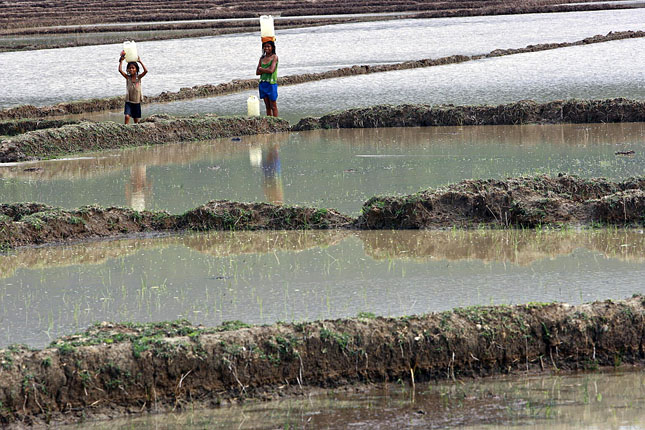
The World Economic Forum recently named water crisis the world’s number one risk for the next 10 years for its potential impact on people and industry. Indeed, as the global community grapples with climate change – and environmental change of all kinds – understanding the fundamental nature if water to human society is crucial. The input report for this year’s World Water Week, released yesterday by the Stockholm International Water Institute, in fact argues that getting water management right is a prerequisite for sustainable development.
-
Build It and They Will Come: New Approaches to Eliminating Fistula and Other Maternal Morbidities
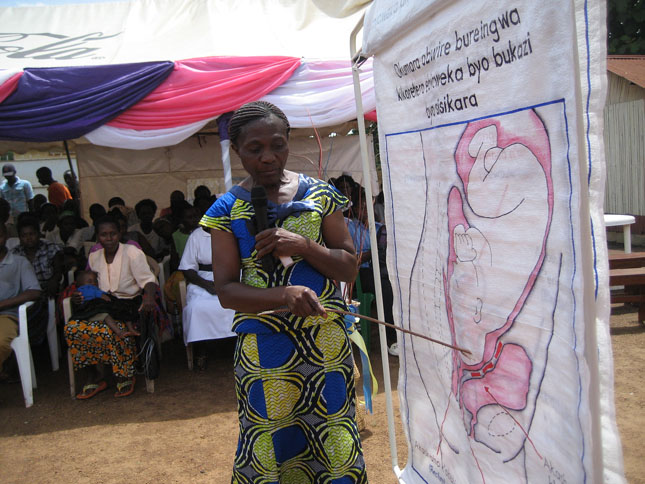
›Obstetric fistula and pelvic organ prolapse are two common maternal morbidities that impact thousands of women in developing countries each year but are often overshadowed by maternal mortalities. Obstetric fistula, a hole in the birth canal caused by obstructed labor, affects between 50,000 and 100,000 women each year, mostly in developing countries. Pelvic organ prolapse, which occurs when a woman’s pelvic organs slip out of place, is 10 times more common, according to Dr. Lauri Romanzi, who spoke at the Wilson Center on July 14. [Video Below]
-
Obama’s Clean Power Plan Sets Up States to Become Energy Innovators
›August 5, 2015 // By Ruth Greenspan BellPresident Obama’s recently announced Clean Power Plan – potentially a major turning point in the fight to contain greenhouse gas emissions and stop the slide toward an ever-warming Earth – is oddly both a courageous step in the right direction and codification of a process already underway.
-
In Search of Higher Returns: Can Extractive Industries Help Build Peace?
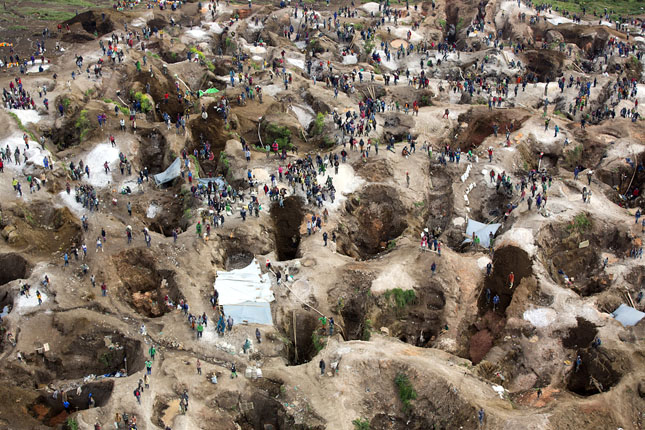
›August 3, 2015 // By Carley ChavaraIf you’re a government pondering the development of newly discovered natural resources, how do you avoid the so-called “resource curse” – the tendency of high value extractive resources, like oil, gas, or minerals, to, instead of prosperity, bring corruption, entrenched poverty, and even violence?
-
Turning the Climate-Security Problem on Its Head: Geoff Dabelko Talks G7 ‘Climate for Peace’ Report
›Conversations around climate change often take place at the “30,000-foot level,” said Ohio University Professor and ECSP Senior Advisor Geoff Dabelko in a recent radio interview with WOUB Public Media, based out of Athens, Ohio. Emission reductions, carbon concentrations, global temperatures. But a certain amount of change is already baked into the system and impacts are playing at in different ways around the world already. -
Lauri Romanzi on Rethinking Maternal Morbidity Care in a Historical Context
›In May 1855, Dr. James Marion Sims opened the first obstetric fistula hospital in New York City. Just 40 years later, it closed, reflecting a sharp decline in maternal morbidity rates in the United States and other Western countries. The Waldorf Astoria Hotel now stands on the site of the former hospital. “We know that we have eradicated obstetric fistula in high income countries; it happened at the turn of the 20th century,” says Dr. Lauri Romanzi, project director of Fistula Care Plus, in this week’s podcast. -
Keeping Up With Cuba: Mother-to-Child HIV Transmission in the Caribbean
›Fear of mother-to-child transmission of HIV and other infectious diseases has been used as an excuse to deny women health care around the world. Some women living with HIV have even been sterilized without their knowledge. But with proper treatment, the chances of transmission to an unborn child are very low in many cases. The World Health Organization (WHO), in fact, just declared Cuba the first country to eliminate mother-to-child transmission of HIV and syphilis.
Showing posts from category U.S..

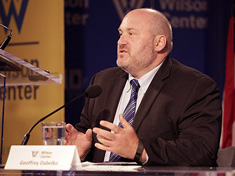 Conversations around climate change often take place at the “30,000-foot level,” said Ohio University Professor and ECSP Senior Advisor Geoff Dabelko in a recent
  In
In