-
The Global Refugee Crisis Has Coarsened Our Politics, Says Wilson Fellow Joseph Cassidy
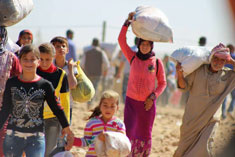
› Chaotic flows of refugees and migrants – the most since World War II – have challenged leaders in Western Europe and North America. “The reactions to those big flows are undermining our institutions in important ways and degrading our politics,” says Wilson Center Fellow Joseph Cassidy in this week’s podcast.
 -
The Rising Tide of Water Insecurity: Moving from Risks to Responses
›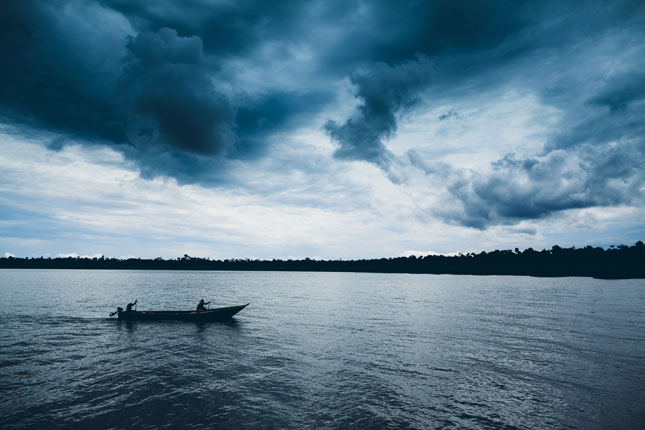
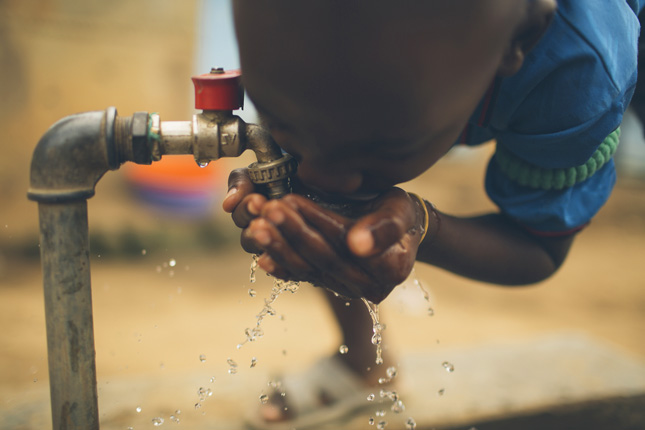
“Water is the frontline of climate change. It’s what every report that you see identifies as the sort of first and foremost effect we see from a climate changing world,” said Sherri Goodman, a public policy fellow at the Wilson Center and formerly of CNA and the U.S. Department of Defense, on October 19.
-
Strategic Ambiguity: How Loss and Damage Became a Part of Global Climate Policy
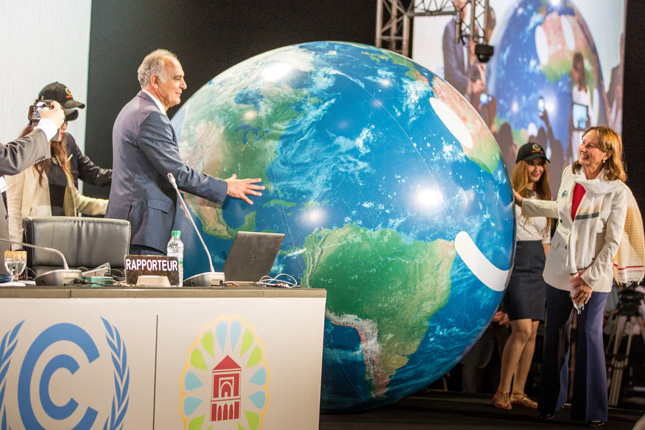
›As the international community meets in Marrakesh for the climate change negotiations at COP-22, one of the most delicate issues on the table is the review of what’s called the Warsaw International Mechanism for Loss and Damage, or WIM.
-
5 Focal Points for U.S. Global Water Strategy (And Submit Your Own Too)
›November 3, 2016 // By Ken ConcaHave something to say about the U.S. government’s approach to water around the world? Here’s your chance. The Department of State has issued a public call for comment on its global water strategy. An open session was held in Washington last Friday, but written comments can be submitted until November 12.
For inspiration, here are points made by our own (and American University’s own) Ken Conca, edited for space:
-
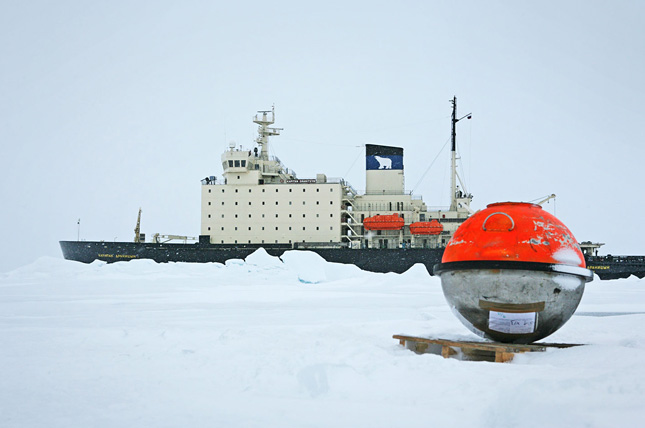
Climate Change, the U.S. Military, and “the Intersection of Politics and Events”
›November 1, 2016 // By Schuyler NullThere may not have been a single question about climate change in the 2016 presidential debates, but it remains a hotly contested, partisan issue for many in the United States. That climate change is happening and requires a response is not up for debate within the upper echelons of the U.S. military, however.
-
Necessity Is the Mother of Invention: Islands as the Vanguard of Climate Adaptation
›“Climate change is one of the greatest challenges of our time and it calls for a comprehensive and cooperative international approach like we’ve never seen,” said Jainey Bavishi, associate director for climate preparedness at the White House Council on Environmental Policy, at the Wilson Center on October 5. “The leadership of the island nations is essential; they punch well above their weight on this issue.”
-
Greener Ports for Bluer Skies in China
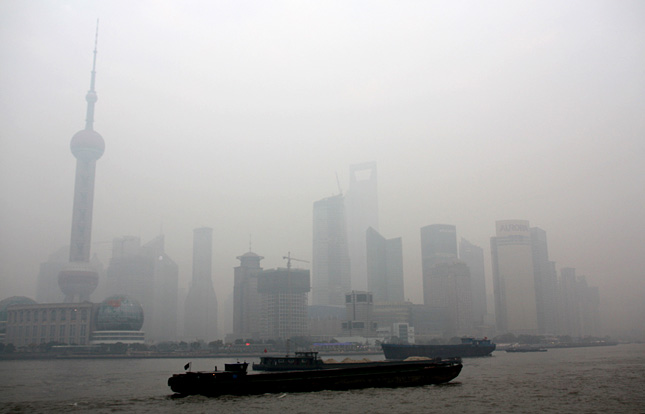
›If China is the globe’s most powerful manufacturing engine, the port of Shanghai is its fuel injection valve. This harbor is the world’s busiest, both in terms of tonnage and number of containers processed, allowing China to import the raw materials fueling its development and export the products that represent a significant share of the world’s economy.
-
Preparing the Next National Climate Assessment: An Opportunity to Engage
›In 1990, the U.S. Congress passed the Global Change Research Act “to assist the Nation and the world to understand, assess, predict, and respond to human-induced and natural processes of global change.” Under this mandate, the U.S. Global Change Research Program (USGCRP) was born, an innovative, cross-cutting research initiative that brings together the science arms of 13 federal agencies working on global change issues, including the Departments of Agriculture, Interior, Energy, Defense, the Environmental Protection Agency, the National Oceanic and Atmospheric Administration, and others.
Showing posts from category U.S..
 Chaotic flows of refugees and migrants – the most since World War II – have challenged leaders in Western Europe and North America. “The reactions to those big flows are undermining our institutions in important ways and degrading our politics,” says Wilson Center Fellow