-
Major Water Disputes Are Often Beyond War and Peace
›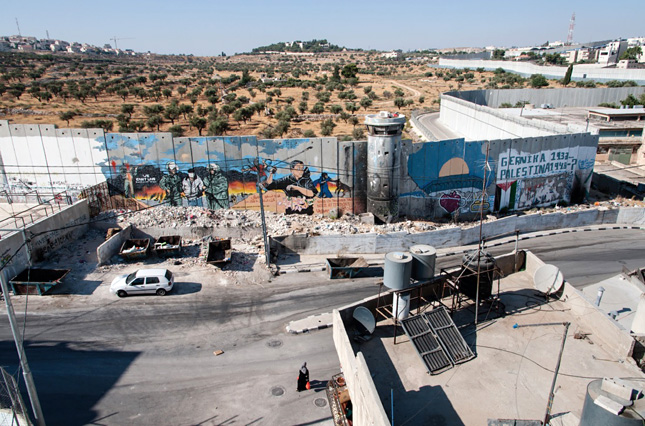
Early this June, the Israeli government cut off drinking water to people living in the Salfit region of the West Bank and three villages east of Nablus. The consequences have been dire. Thousands of Palestinians have been left with no running water in their homes, and factories have been forced to shutter. The power imbalance that leaves Palestinians so vulnerable to Israeli turns of the valve plays out every year, made possible by Israel’s occupation of the water-rich Golan Heights in 1967. What is perhaps most surprising is that the situation persists.
-
Why East Africa’s Refugee Crises Can No Longer Be Ignored
›
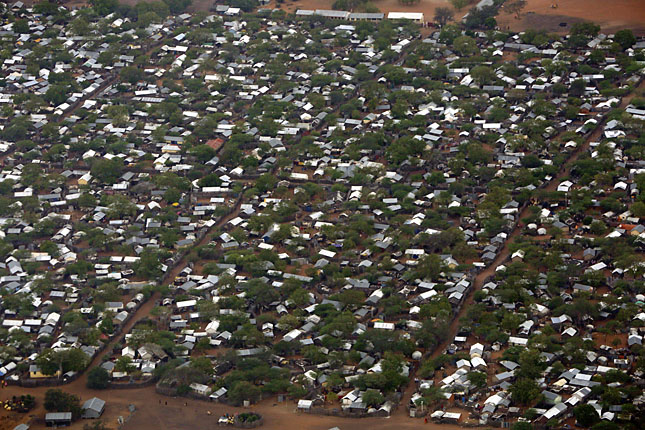
Citing security concerns, the government of Kenya recently announced their intent to close the world’s largest refugee complex, Dadaab, after almost 25 years. [Video Below]
-
Behind the Headlines, Emerging Security Threats in the Middle East
›The Middle East, as much as ever, is the focus of international attention, but the obvious crises may be a distraction from deeper underlying issues.
-
Turning the Impending Mosul Dam Disaster Into Opportunity
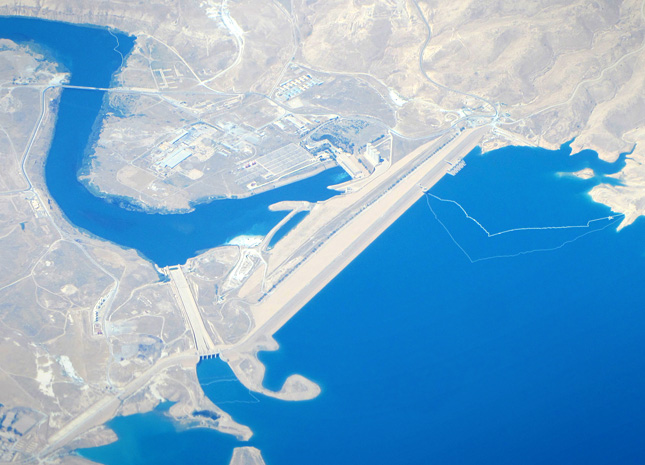
›Iraq has seen its share of calamities in recent years, but none is as dangerous as the impending failure of the Mosul Dam. A breach of the dam will result in a tsunami-like wave that sweeps through cities and hamlets along the Tigris River from Mosul to as far south as Amarah and even Basra. Baghdad would be submerged under five meters of water within four days. Not only do experts estimate the possible fatalities to range from 500,000 to more than 1 million, but consider the logistics of trying to provide electricity, drinking water, food, hospitals, transportation, and diesel for millions of people.
-
Fire and Oil: The Collateral Environmental Damage of Airstrikes on ISIS Oil Facilities
›As the United States, Russia, and others step up attacks on the self-proclaimed Islamic State in Iraq and Syria (ISIS), there is concern over their direct and long-term environmental and public health impacts. Many air strikes have targeted lucrative oil installations under the control of ISIS, and these could have severe detrimental effects for Syria’s future, both environmentally and socio-economically. Questions around the effectiveness of these strikes, both from a military and political perspective, seem to be missing in the wider debate.
-
From Gaza to the Euphrates, Alarm Bells for Mideast Water Resources
›The board of the United Nations’ lead organization on trade and development, called UNCTAD, released an assessment of Gaza’s development challenges during their annual meeting in Geneva this month and the news is not good. In 2012, the UN warned that a “herculean” development effort would be to keep pace with Gaza’s rapid population growth. Since then, more fighting with Israel has made things worse, particularly with regard to water and food security. Ninety-five percent of the water from Gaza’s coastal aquifer is unsafe for drinking without treatment, the report says. Contamination and over-extraction may even render it unusable by next year and damage may be irreversible if not addressed in the next five years. -
Catalyzing Cooperation: Disaster Diplomacy and its Potential to Short-Circuit the Climate-Conflict Link
›There is a growing chorus of voices claiming climate change will foster more conflict and violence. Books have been released on the impending age of climate wars, while media outlets dutifully report on research that purports to show how global warming will increase violence of every form, from the number of times pitchers bean batters in baseball to the rate of sexual assault.
-
In Critical Year for Climate Change, Lack of Urgency is Worrying, Says Nick Mabey
›“After Ukraine, ISIS, terrorism…there are a lot of distractions in 2015,” says Nick Mabey, founder and chief executive of the environmental NGO E3G, in this week’s podcast. “Short term issues are important, but they’re not everything.”
Showing posts from category Turkey.