-
Major Water Disputes Are Often Beyond War and Peace
›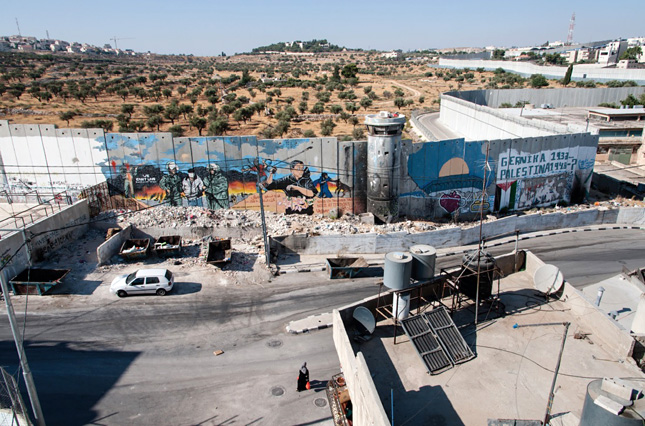
Early this June, the Israeli government cut off drinking water to people living in the Salfit region of the West Bank and three villages east of Nablus. The consequences have been dire. Thousands of Palestinians have been left with no running water in their homes, and factories have been forced to shutter. The power imbalance that leaves Palestinians so vulnerable to Israeli turns of the valve plays out every year, made possible by Israel’s occupation of the water-rich Golan Heights in 1967. What is perhaps most surprising is that the situation persists.
-
After Conflict, Peacebuilding and Recovery Efforts Too Often Miss the Environment
›
In June 2010, The New York Times published a front page story trumpeting a Pentagon announcement of roughly $1 trillion worth of mineral resources in Afghanistan. Officials said the discovery was “far beyond any previously known reserves and enough to fundamentally alter the Afghan economy and perhaps the Afghan war itself.” Then-President Hamid Karzai soon inflated the figure to $3 trillion and then again to $30 trillion, enough to transform the country into the “Saudi Arabia of lithium.”
-
Governance in Focus: Insights from the International Expert Forum on Climate Change and Conflict
›The International Expert Forum (IEF) is a series of seminars meant to facilitate dialogue between experts and policymakers on peace and security. Meeting in Stockholm this past May, the forum explored the connections between environmental issues, peacebuilding, and conflict while considering how environmental governance can aid in peacebuilding. The summary brief produced after the forum provides a useful snapshot of a fast-changing field of study.
-
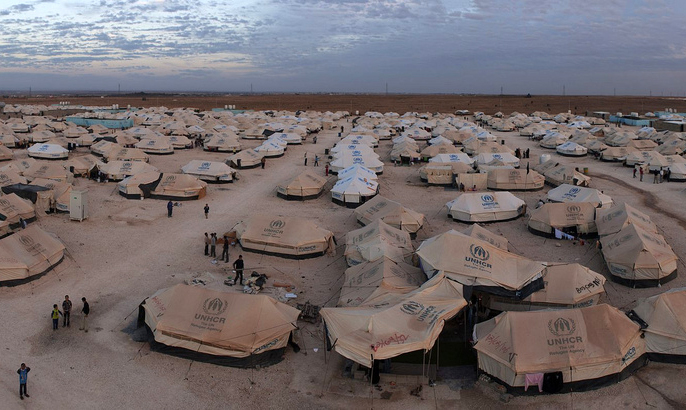
Why East Africa’s Refugee Crises Can No Longer Be Ignored
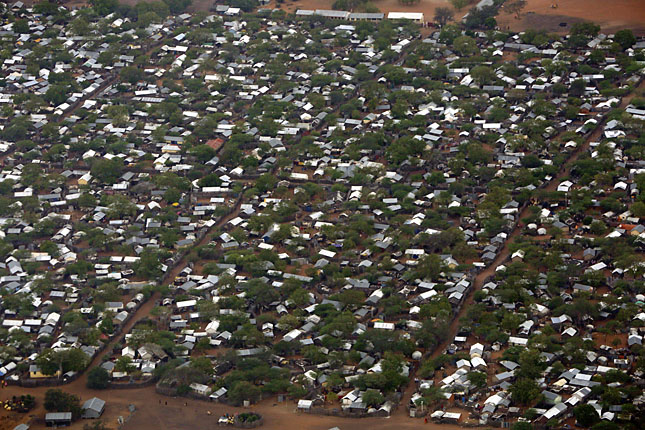
›Citing security concerns, the government of Kenya recently announced their intent to close the world’s largest refugee complex, Dadaab, after almost 25 years. [Video Below]
-
South Sudan’s Broken Oil Industry Increasingly Becoming a Hazard
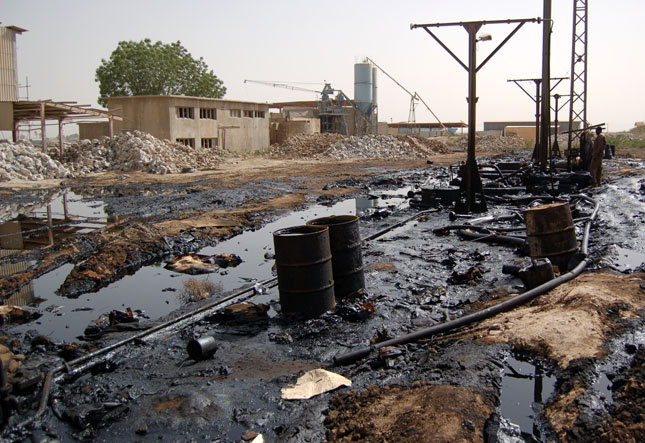
›The environment has long been a factor in violent conflict in South Sudan, especially with respect to control over oil. The first oil was discovered in 1999, and by 2007, hydrocarbons accounted for over 95 percent of Sudan’s income. South Sudan became independent in 2011 after years of war with the Sudanese government in Khartoum, intensified by local conflicts over access to oil-rich border areas. But beyond conflict, South Sudanese communities have also been ringing the alarm bell about pollution and health hazards caused by the oil industry.
-
Jon Unruh on Darfur and the Importance of Flexible Institutions for Managing Migration Conflict
›When it comes to environmental change, “policies and laws can have a very productive contribution toward positive adaptation, or they can subvert that and constrain options,” says Jon Unruh, associate professor of human geography and international development at McGill University, in this week’s podcast. -
John Wihbey, Yale Climate Connections
Nuancing “Climate Refugee” Language and Images
›December 18, 2015 // By Wilson Center StaffMigrants and Syrian refugees have become the new “stranded polar bear” of climate change imagery. But most such impacts will seldom be so dramatic or camera-ready.
-
The ECC Factbook Illustrates How the Environment Can Contribute to Peace and Conflict
›In his speech on climate change and national security on November 10, Secretary of State John Kerry said climate change is already a “threat multiplier,” and that worse is to be expected if climate change continues unchecked. But the relationship between the environment and violent conflict is complex and often indirect. Researchers have been wrangling for years over the role that global environmental change plays in fueling conflict and state fragility.
Showing posts from category Sudan.
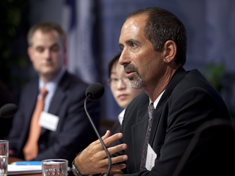 When it comes to environmental change, “policies and laws can have a very productive contribution toward positive adaptation, or they can subvert that and constrain options,” says Jon Unruh, associate professor of human geography and international development at McGill University, in this week’s podcast.