-
A Case for Refugee Resilience: Reflection on the Lost Boys’ Story of Perseverance
›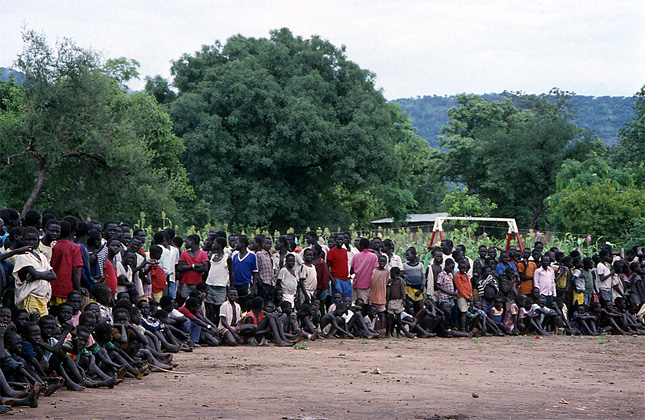
Fifteen years ago last month, I was brought to America through the U.S. Refugee Resettlement Program after having lived in refugee camps in Ethiopia and Kenya for more than a decade. As I reflect on my experience, it is my hope that it will inspire others and help inform dialogue on forced migration so that refugees are perceived not just as victims, but models of resilience.
-
The Dark Side of Development: Displacement, Eviction in World Bank Projects and Ethiopia
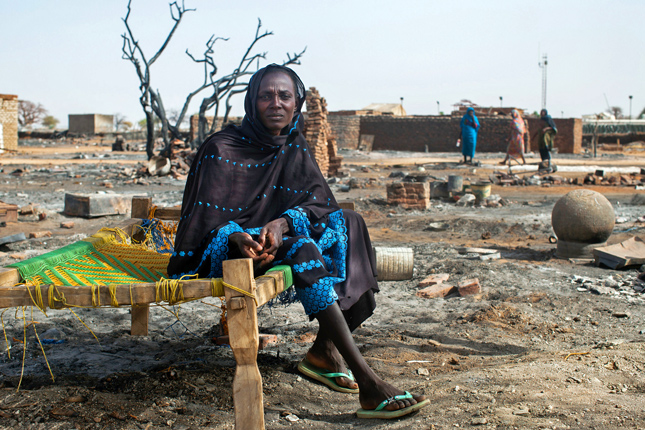
› With the help of international aid, foreign land grabs in the Gambella region of Ethiopia have resulted in environmental degradation, more severe economic and social inequality, and human rights abuses, according to a new study by the Oakland Institute. We Say The Land Is Not Yours collects testimony from victims of “villagization,” a policy of forced displacement started under the military Derg dictatorship and, according to many, continued to this day under the guise of land investment.
 -
Interview With Michael Brown, UN Senior Mediation Expert in Natural Resources and Land Conflicts
›April 8, 2015 // By Linnea BennettNatural resources rarely feature during peacebuilding efforts, but there is growing evidence that’s a mistake. Unresolved natural resource management issues can make peace more fragile, while addressing them can act as a bridge toward cooperation.
-
As Humanitarian Crises Multiply, Maternal Health and Safety of Women Becoming a Focus
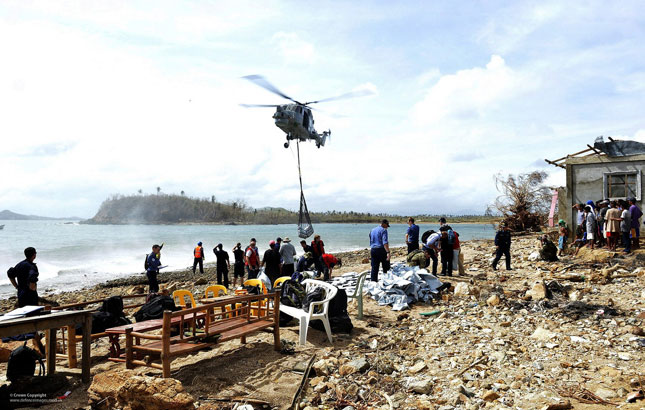
›Accessing maternal health care is already a challenge in many countries, and when conflict erupts or a disaster strikes, it can get even worse, leaving millions of women on their own while at their most vulnerable, said Ugochi Daniels, chief of humanitarian response for the UN Population Fund (UNFPA). Women and girls also become more vulnerable to violence during times of crisis, she said, by virtue of nothing but their gender. [Video Below]
-
Low Oil Prices Could Shake up Africa’s Petro States
›One in five African states produce hydrocarbons, and most of these are heavily dependent on oil and gas revenues to finance their governments and generate foreign exchange. Further, an emerging group of East African states are waiting on international oil companies to develop new oil and gas reserves. But Africa’s record using non-renewable oil and gas resources to trigger economic and social development is poor – and plummeting prices may portend more instability to come.
-
Andrea Ó Súilleabháin, Global Observatory
Overlooked Among 50 Million Displaced Worldwide, Women and Girls Lose Out
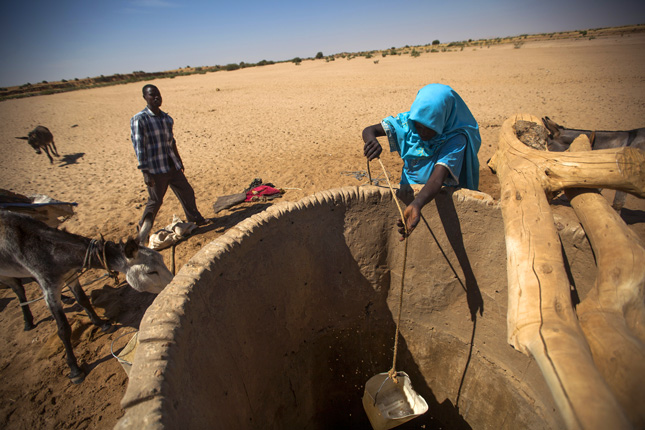
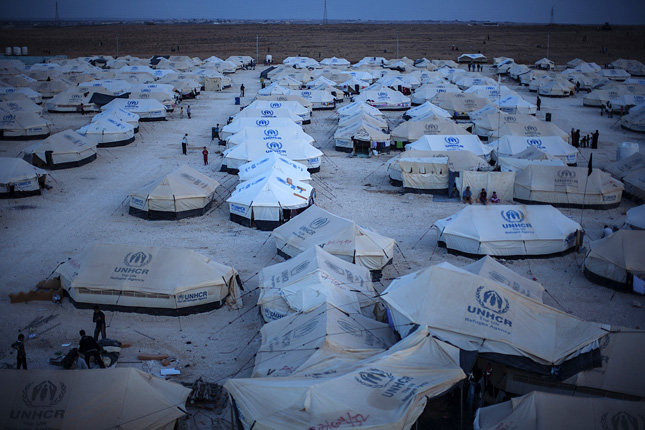
›October 23, 2014 // By Wilson Center StaffMass displacement has become a significant feature of recent conflicts, as the number of people forced to flee their homes has passed 50 million worldwide, a level not seen since World War II. This is one of the reasons why the UN Security Council will focus on women refugees and internally displaced persons (IDPs) during its annual open debate on women, peace, and security on October 28, according to Elizabeth Cafferty, senior advocacy officer at the Women’s Refugee Commission.
-
Three Things to Watch at the First-Ever U.S.-Africa Leaders Summit
›As presidents, prime ministers, and other policymakers from across the continent gather in Washington, DC, this week for the first-ever U.S.-Africa Leaders Summit, what are the issues to watch?
-
Environmental Dimensions of Sustainable Recovery: Learning From Post-Conflict and Disaster Response
›“Environmental specialists need to change,” said Anita van Breda at the Wilson Center on June 25. “In the new normal, our work has to have a different relevancy.” [Video Below]
Showing posts from category South Sudan.