

-
Emulating Botswana’s Approach to Reproductive Health Services Could Speed Development in the Sahel
›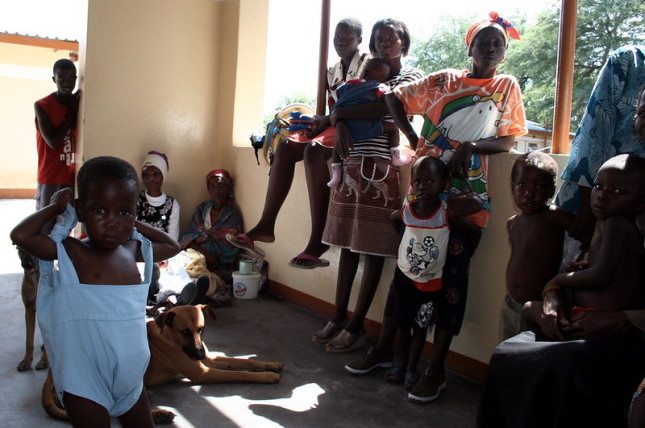
The Western Sahel region—a cluster of arid, low-income countries stretching from Senegal, on Africa’s Atlantic coast, inland to Mauritania, Burkina Faso, Mali, Niger, and Chad—is home to the world’s most youthful populations. According to current UN Population Division estimates, about 57 percent of this six-country region’s population is 19 years old or younger. As security conditions deteriorate across the rural Sahel, governments in Europe and North Africa are taking notice of these countries’ demographic status—and for good reasons. Sustained population youthfulness (often called a “youth bulge”) contributes to low levels of educational attainment, joblessness and social immobility, and ultimately to rapid population growth, which tends to drive declines in per-capita availability of freshwater and other critical natural resources: factors that are associated with the risk of persistent violent conflict and represent powerful push factors for migration.
-
Urban Elites’ Livestock Exacerbate Herder-Farmer Tensions in Africa’s Sudano-Sahel
› In recent years, conflict between herders and farmers for access to increasingly scarce natural resources in Africa’s Sudano-Sahel has escalated. While the problems fueling these tensions are both hyper-local and transnational in nature, one important piece of the puzzle has been overlooked. The real “elephant in the room” is who owns the livestock.
 -
The New Slave Trade: Migration, Trafficking, and Terrorists in Libya
›While dismayed Americans watched the “zero tolerance” policy of family separation unfolding at the Mexican border, across the Atlantic, another shocking migration crisis continues to fester. Behind the grueling headlines of drownings in the Mediterranean Sea, migrants run a gauntlet of abuse through the Sahara desert to reach the Libyan coast. Armed militias and terrorist organizations across the Sahel profit by smuggling people displaced by climate, population, and security crises. While European policymakers struggle to cope with arrivals, their containment approach consistently disregards the root causes that force people to take such unimaginable risks. The high value of these human commodities not only exposes vulnerable migrants to torture, extortion, and even enslavement, but also provides funds for terrorist groups intent on attacking the West.
-
The Melting Arctic Could Spur Even More Migration in the Sahel, But There Are Some Surprising Solutions
›A new study published in the Proceedings of the National Academy of Sciences says that melting in Greenland could change ocean currents and cause unprecedented drought in Africa’s Sahel region, the Washington Post reported last week: “The consequence could be devastating agricultural losses as the area’s climate shifts. And in the most severe scenarios, tens of millions of people could be forced to migrate from the area.”
-
Christophe Angely on Overcoming Pessimism for the Sahel
›The Sahel region of Africa is a wide band that marks the transition from the Sahara Desert in the north to the wetter, sub-tropical regions in the south. The Sahelian countries have some of the most rapidly growing populations in the world and have faced significant environmental change over the past century. In recent years, insurgencies have surged in several countries, new terrorist groups have become active, there have been several droughts, and migration has increased. -
Fertile Ground? Climate Change and Jihadism in Mali
›The epicenter of violence in the unstable country of Mali has historically been in the north, a contested region from where Touareg separatist and jihadist armed groups launched an insurgency against the state in 2012. But over the last two years, there has been a marked shift in communal and anti-state violence to the central region, and climate change may have played a role.
-
Julia McQuaid on the Complex Link Between Water and Conflict in the Middle East and North Africa
›Does global water stress matter for U.S. national security, and if so, how? That’s a major focus of the next CNA Military Advisory Board report, says Julia McQuaid of the CNA Corporation in this week’s podcast. She talks about the preliminary findings of the report and how the national security community views water. -
Water Is the Climate Challenge, Says World Bank
›May 6, 2016 // By Schuyler NullHow will climate change affect you? Probably through water.
That’s the major message of a new World Bank report that finds the ways governments treat water can have a profound effect on the economy.
Showing posts from category Sahel.
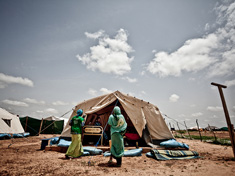
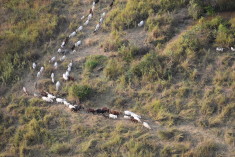 In recent years, conflict between herders and farmers for access to increasingly scarce natural resources in Africa’s Sudano-Sahel has escalated. While the problems fueling these tensions are both hyper-local and transnational in nature, one important piece of the puzzle has been overlooked. The real “elephant in the room” is who owns the livestock.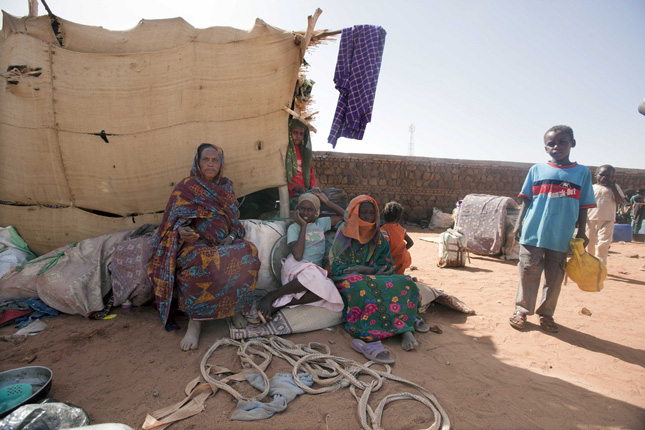
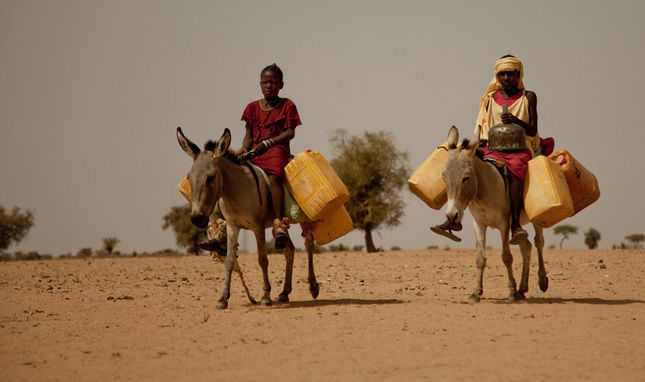
 The Sahel region of Africa is a wide band that marks the transition from the Sahara Desert in the north to the wetter, sub-tropical regions in the south. The Sahelian countries have some of the most rapidly growing populations in the world and have faced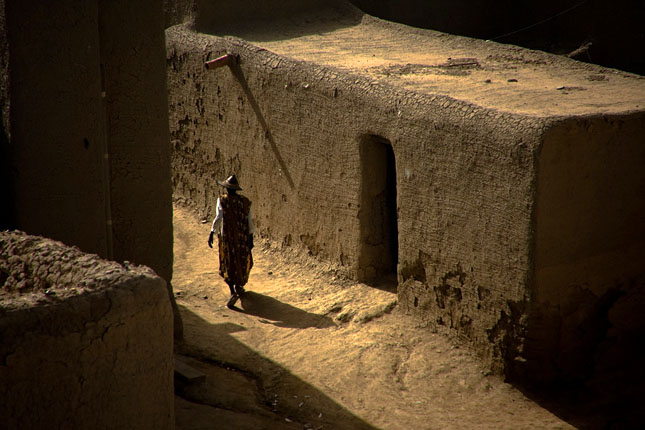
 Does global water stress matter for U.S. national security, and if so, how? That’s a major focus of the next

