-
An EU Lifeline Puts Norway in Russia’s Bullseye
›
Since Russia’s full-scale invasion of Ukraine on February 24, 2022, the Kingdom of Norway has played an ever-increasing role in reducing the European Union’s energy dependence on Russia. It will likely continue to do so in the near term, creating a stronger yet more sensitive relationship between the EU and one of its non-member states.
-
War and Climate Change Intensify Global Water-related Conflicts
›
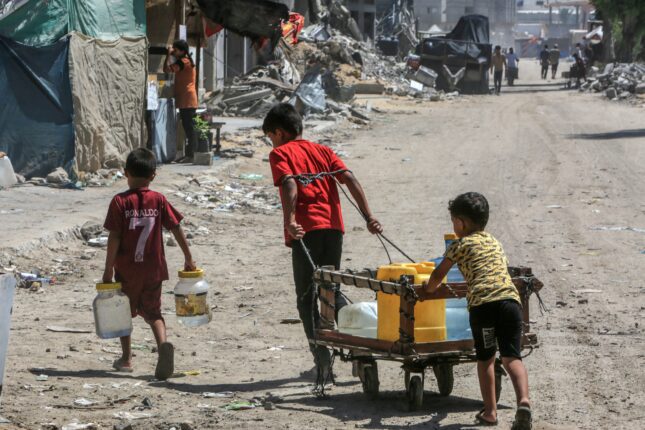
The Pacific Institute recently updated its Water Conflict Chronology—a database of water-conflict events that began to take form in the 1980s. The recent updates include the addition of 300 new entries to the database, highlighting the alarming rise of water-related conflicts in the last few years. Despite this overwhelming evidence of a growing trend in water-related conflicts, global attention toward addressing them remains negligible.
-
ECSP Weekly Watch | September 3 – 6
›A window into what we’re reading at the Wilson Center’s Environmental Change and Security Program
Proliferation of Icebreakers in the Arctic (Foreign Policy)
As climate change-induced melting of ice sheets clears new pathways, the fast-melting Arctic now has a new strategic race: icebreakers. Russia covers over half of what is defined as “Arctic” territory, and it has the largest number of icebreakers in the region. Russia’s attempt to consolidate and expand has led the US and its NATO allies to redefine their own Arctic security strategy.
-
China Leads the Race to the Bottom: Deep Sea Mining for Critical Minerals
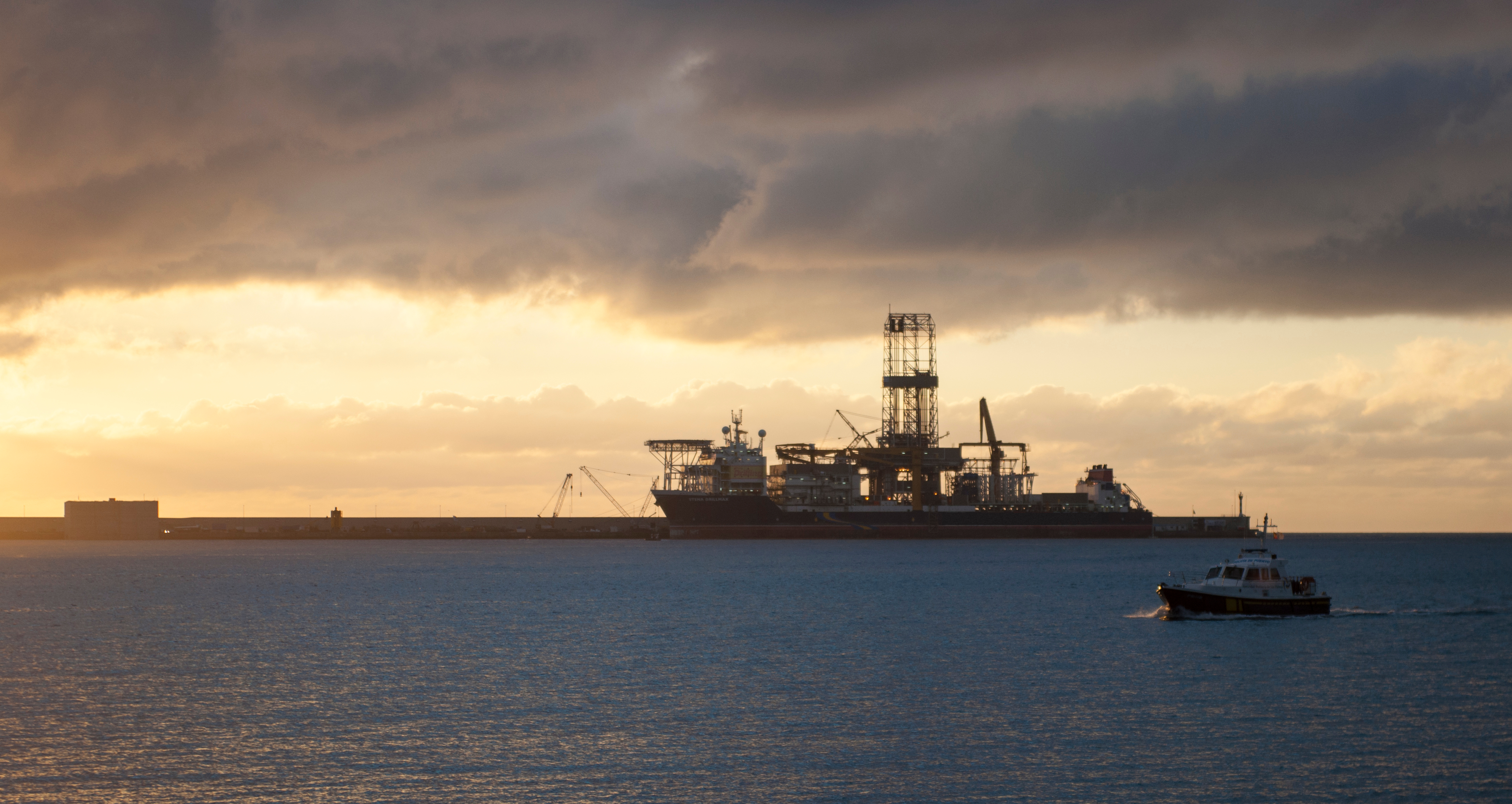
›In December 2022, at the Nansha District port in the Pearl River Delta, the China State Shipbuilding Corporation unveiled China’s first oceanographic drilling ship—capable of mining 10,000 meters deep. This launch showcased China’s rapid advances as a major player in the global race to extract critical minerals at the bottom of the ocean.
-
Ukraine’s Environment in Time of Conflict: Damage, Data and the Rule of Law
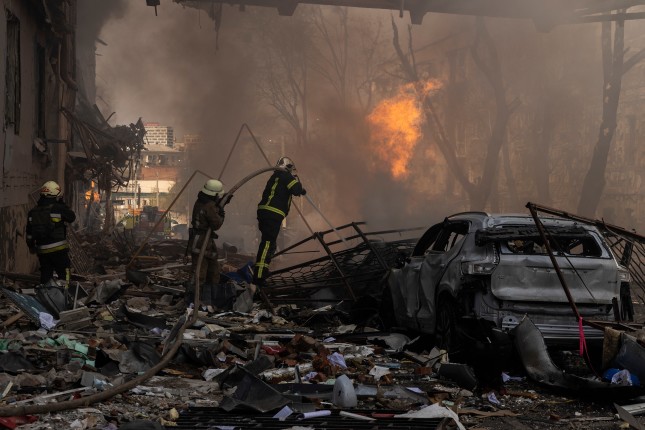
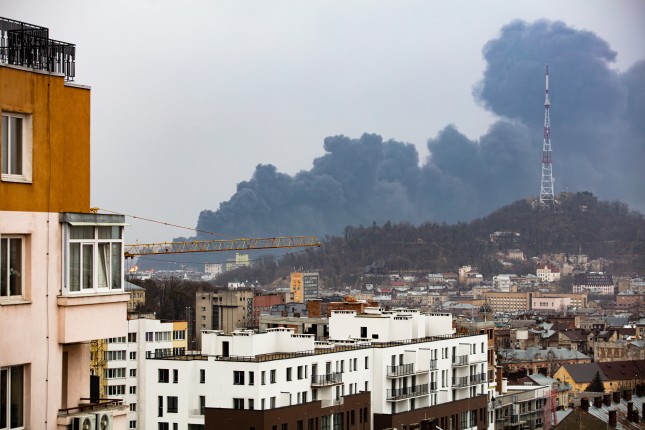
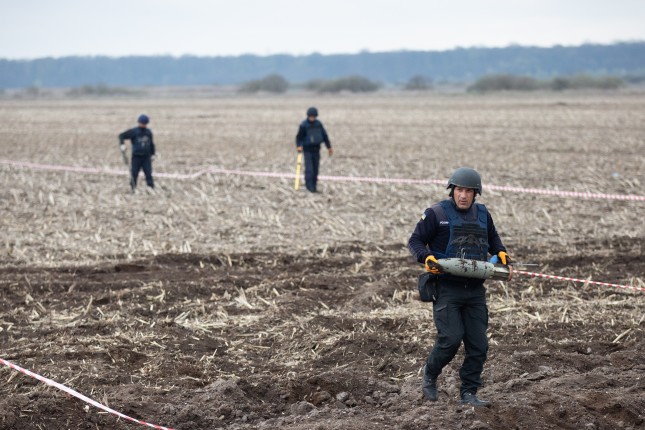
›When Russia invaded Ukraine on February 24, 2022, it was not only a geopolitical and humanitarian disaster. The conflict has detrimentally impacted the environment.
War and environmental damage are inextricably linked, but the invasion of Ukraine has caused further deterioration in pre-existing environmental issues. “Before 2014, Ukraine was already a country which faced environmental challenges,” observed Ian Anthony, Director of the Stockholm International Peace Research Initiative’s European Security Program (SIPRI) at a December 14 webinar titled Beyond War Ecologies: Green Ways forward for Ukraine. “Russia’s first aggression in 2014 exacerbated problems. The second aggression extended some of the problems to other parts of Ukraine and not just to Donbas.”
-
Warfare and Global Warming
›The world has plenty of reasons to avoid conflict already. Yet attendees at the recently-concluded COP27 climate conference in Sharm el-Sheikh, Egypt were presented with another compelling argument: Warfare is bad for global warming. So much so, in fact, that Ukraine’s delegation to the conference organized a special session at the conference of parties on “War Related Emissions,” bringing along a tree trunk bearing scars from Russian shell fragments as tangible evidence.
-
Agricultural Land in Russian Territorial and Geopolitical Ambitions
›The negative impacts on global food security wrought by Russia’s war in Ukraine are obvious. But recent news that Russia currently occupies more than one fifth of Ukrainian farmland, draws attention to another dimension of this politically-induced food and agricultural crisis: land itself. Of course, territory has long been an object of conflict and warfare. But agricultural land—in particular—is also a key, though understated, dimension of the geopolitical ambitions undergirding Russian activity at home and abroad.
-
Displacement, Migration, and Urbanization in the 21st Century
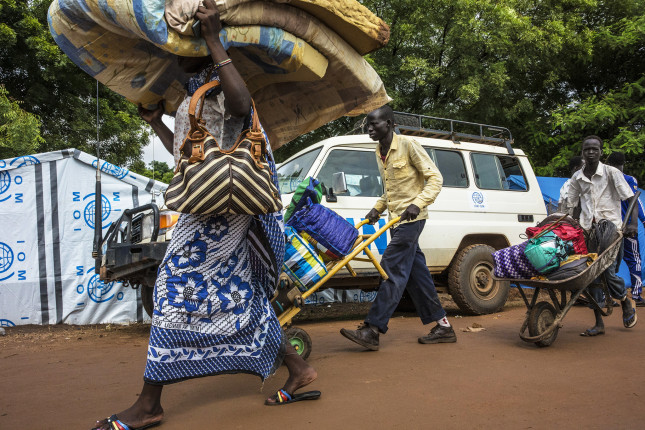
›Guest Contributor // Urban Sustainability Laboratory // July 6, 2021 // By Gad Perry, Chris Upchurch & Laura ClineOver 79 million people are currently forcibly displaced within their own country or across international borders as a result of conflict or natural disaster. As Filippo Grandi, the United Nations High Commissioner for Refugees, explained in 2020, “resolving forced displacement is not only a moral or humanitarian imperative, but also deals with issues at the heart of the [Security] Council’s mandate to maintain international peace and security.”
Showing posts from category Russia.