-
A More Resilient World: The Role of Population and Family Planning in Sustainable Development
›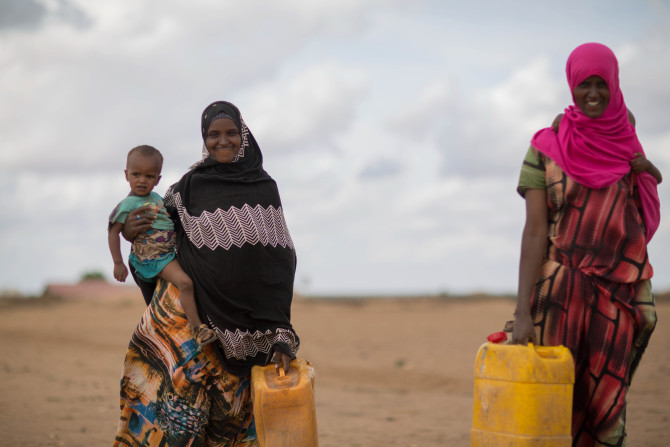
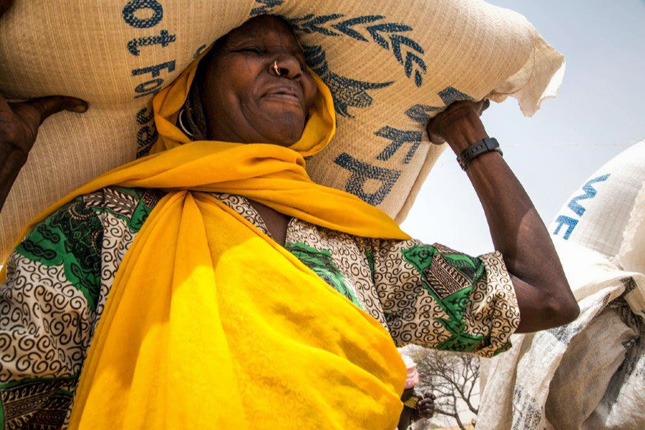
“Community mobilization, local capacity-building, and innovation are the cornerstones of successful development. And that for us includes resilience,” said Franklin Moore, Africare’s Chief of Programs, at a Wilson Center event on family planning and sustainable development. As rapid population growth intersects with challenges like food insecurity and water scarcity, communities in developing countries need not only the capacity to absorb short-term shocks, they also need transformative capacity to address long-term challenges.
-
Water Stress, Instability and Violent Extremism in Nigeria
›
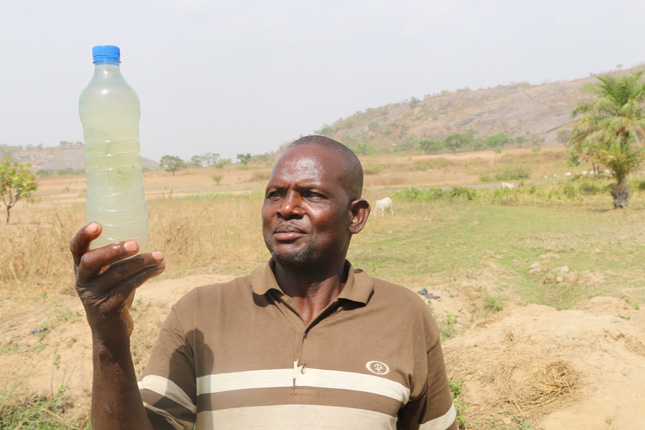
Nigeria is ranked among the most fragile states in the world. The country faces significant water challenges, which vary greatly from one region to another. Weak governance exacerbates these water challenges, while conflicts over water resources make governance more difficult. There are three main geographical flashpoints where conflict over water is likely to break out. In the north and northeast, Boko Haram has waged a violent insurgent campaign since 2010; among their demands is government provision of clean water. In Nigeria’s Middle Belt, changing rainfall patterns are limiting the grazing area of Muslim Fulani herders, who then encroach on the land of predominantly Christian farmers. Conflict over these lands killed more Nigerians than Boko Haram in 2016. Finally, in the Niger Delta, militant groups are attacking oil infrastructure, partially motivated by conflict over rights to land and waterways. Oil spills also contribute to food insecurity and malnutrition in this region.
-
Christophe Angely on Overcoming Pessimism for the Sahel
›The Sahel region of Africa is a wide band that marks the transition from the Sahara Desert in the north to the wetter, sub-tropical regions in the south. The Sahelian countries have some of the most rapidly growing populations in the world and have faced significant environmental change over the past century. In recent years, insurgencies have surged in several countries, new terrorist groups have become active, there have been several droughts, and migration has increased. -
Food Access and the Logic of Violence During Civil War
›In 1981, Nobel Laureate Amartya Sen noted that “starvation is the characteristic of some people not having enough food to eat. It is not the characteristic of there being not enough food to eat.” Sen was referring to the idea that hunger is not always related to food supply; even in places where ample food exists, many people do not have regular access to it. Yet, more than three decades later, research into the effects of agriculture on armed conflict is still focused much more on the former than the latter.
-
Violence and Water Scarcity Threaten Historic Quadruple Famine
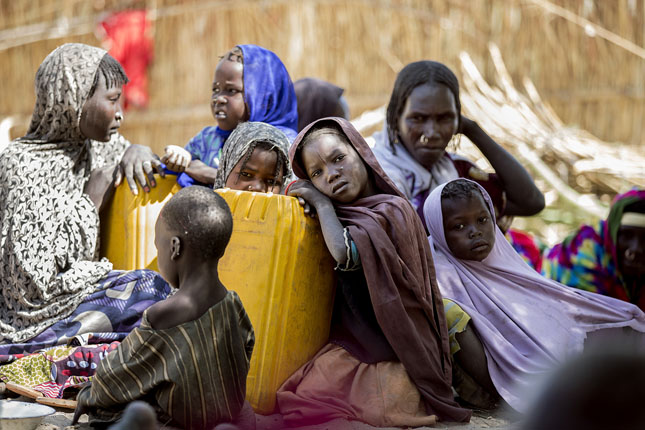
›An international food crisis is currently unfolding on a scale not seen since World War II. More than 20 million people in Somalia, Nigeria, South Sudan, and Yemen are in danger of famine. UN Under-Secretary-General and Emergency Relief Coordinator Stephen O’Brien said in March, “We are facing the largest humanitarian crisis since the creation of the United Nations.”
-
Water and the Rise of Insurgencies in the “Arc of Instability”
›Water scarcity has contributed to an “arc of instability” characterized by conflict and displacement that stretches from West Africa to the Middle East, said a panel of experts at the Wilson Center on March 1. Two authors from an upcoming compilation of case studies on water security and violent conflict by World Wildlife Fund gave overviews of challenges in Nigeria and Iran and recommendations for U.S. engagement.
-
A Better Model for Future Society, and Analyzing Communal Climate Conflict
›Forecasts of future climate conditions are fairly good, but forecasts of future socioeconomic conditions are another story. To get a sense of how climate change will impact society, many resort to simply layering future climate conditions on top of current socioeconomic conditions. That’s a mistake, write Wolfgang Lutz and Raya Muttarak in Nature Climate Change. “We see little value in the purely hypothetical exercise of assessing potential impacts of the future climate on a society that will not exist in the future.” -
Advancing U.S. Prosperity and Security in a Thirsty World
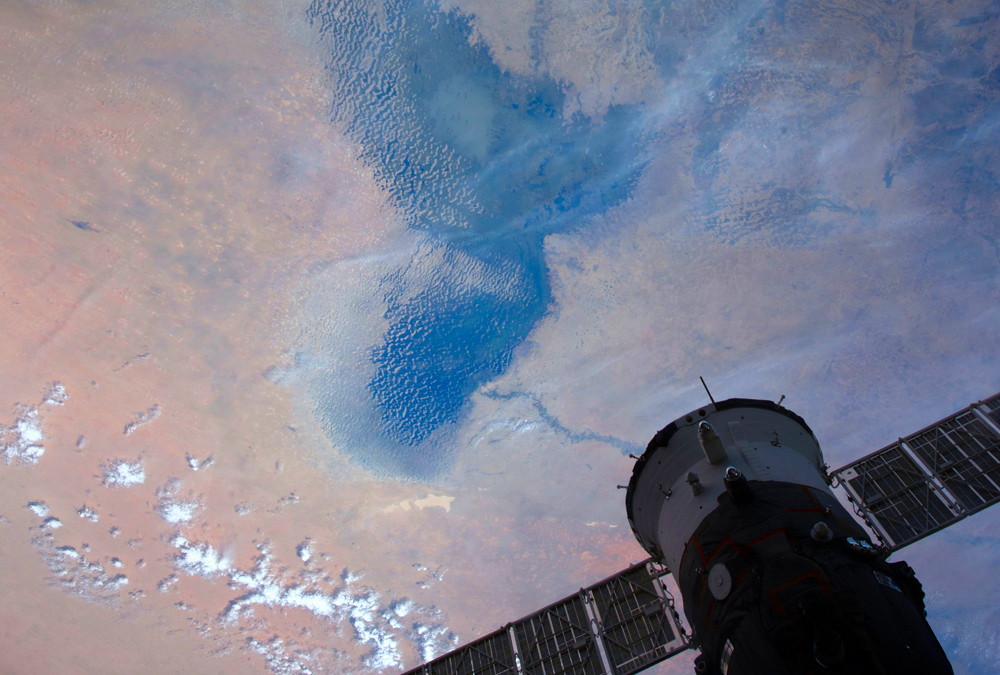
›The waters of Lake Chad sustain 70 million people in four countries. Beginning in the 1970s, the 25,000-square-kilometer lake began shrinking due to excessive drawdown for agriculture and mining. Now only 10 percent remains. The dwindling water supply devastated food production and fostered massive economic and political tensions. Many experts credit the worsening conditions for contributing to the rise of Boko Haram, an extremist group that has killed 20,000 people and forced 2.3 million more to flee.
Showing posts from category Nigeria.
 The Sahel region of Africa is a wide band that marks the transition from the Sahara Desert in the north to the wetter, sub-tropical regions in the south. The Sahelian countries have some of the most rapidly growing populations in the world and have faced