-
Empowering Women in the Muslim World
›December 2, 2010 // By Wilson Center StaffOriginally featured in the Wilson Center’s Centerpoint, November 2010.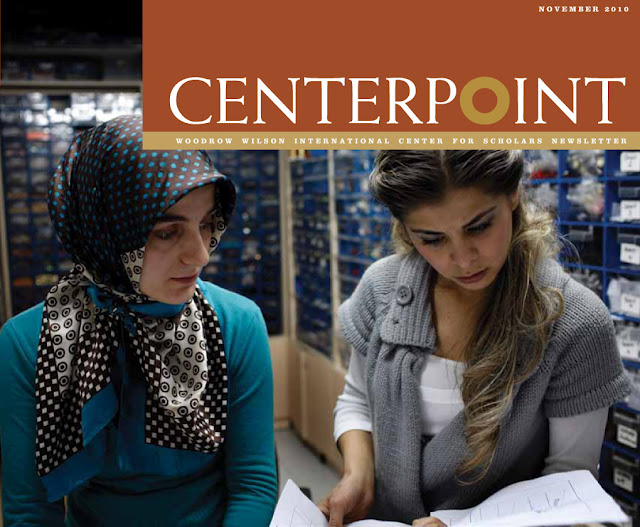
For decades, women in the Middle East have actively struggled for equal status before the laws of their respective countries. They have strived to attain equal participation in politics and society, and progressive justice throughout the region. While they have made progress in some parts of the region, many challenges remain. The Wilson Center’s Middle East Program recently held three meetings to discuss challenges as well as progress to empowering women across the Muslim world.
A Modern Narrative
The American Islamic Congress (AIC) recently published a report, “A Modern Narrative for Muslim Women in the Middle East: Forging a New Future,” that highlights past and present triumphs and difficulties – economic, legal, political, religious, and social –for women’s rights throughout the region. On September 30, the Middle East Program co-sponsored a meeting with the AIC to review the status of women in Saudi Arabia and Jordan, based on findings in the AIC’s report.
Fawziah Al-Hani, manager of the Gherass Center for Social Education in Saudi Arabia, expressed frustration about the progress women have made in her native Saudi Arabia. She said women there are perceived as second-class citizens by the country’s legal, economic, political, religious, and social institutions. Women’s issues are rarely discussed in Saudi political and social spheres, and women are not represented in government or the business sector. She said if women are allowed to be active outside the home, they are mostly restricted to educational and health activities.
While she is frustrated about these restrictive Saudi policies toward women, Al-Hani said she maintains hope, as changes take place within the society and government through new initiatives and movements.
Rana Husseini, a human rights activist, author, and journalist, detailed the changes to the status of women in Jordan over the past 20 years. Husseini, whose human rights activities over the past two decades in Jordan have focused on honor crimes and other women’s issues, said Jordan has made substantial progress on women’s rights as a result of intense media and civil society activism. While there is room for improvement, she said women are now participating in government and significant reforms have been made to the judicial system.
Though the effectiveness of quotas for women in government may be debated, Husseini noted that quotas facilitate women’s participation in elections and government service. In fact, she said, there are some 50 women judges in Jordan. She noted that honor killings, except in extreme cases, are becoming rarer, and harsher sentences are being imposed for honor crimes.
With constant pressure on the government and society, reforms will continue, said Husseini, who is optimistic about the future for women rights in Jordan and in the Middle East as a whole.
Demographic Realities
Why do many Middle Eastern women not enjoy the same economic opportunities as women of other regions? Can they be empowered to participate at a greater level? Nadereh Chamlou, a senior adviser at the World Bank, attributed the gender inequality to restrictive social norms. She said the region’s women must be empowered to participate in a more significant way if their countries are to effectively exploit, instead of squander, the current economic “window of opportunity.”
At a September 13 discussion, Chamlou said the good demographic news is that there are high numbers of working-age people and thus the potential for rapid economic growth. However, Middle Eastern countries have the highest dependency rates in the world, a fact that Chamlou attributed to the low economic participation of Middle Eastern women relative to female citizens’ participation in other parts of the world. This reality means the Middle East’s demographic composition will not be exploited to its full potential.
Increasing economic opportunities for women will require changing social norms, said Chamlou. She cited a study conducted by the World Bank in three Middle Eastern capitals – Amman, Jordan; Cairo, Egypt; and Sana’a, Yemen – that revealed the biggest reason for the poor representation of women in the workforce is the negative male attitude regarding women working outside the home. Notably, social norms and such negative male attitudes proved to restrict women’s participation far more than the need to attend to child-rearing duties. Despite the successful efforts of most Middle Eastern states to improve education opportunities, conservative social norms still pose a barrier to female empowerment.
Some simple changes could have a substantial impact. Chamlou recommended focusing on educated, middle-class women, undertaking more efforts to bring married women into the workforce, and emphasizing changing attitudes – particularly among conservative younger men – toward women working outside the home.
Lessons from Tunisia
In Tunisia, the progress of women’s empowerment can serve as a model for the region, noted women’s rights advocate Nabiha Gueddana, president and director-general of the National Agency for Family and Population in Tunisia.
Speaking at a September 8 meeting, Gueddana said the Arab world can learn much from her native Tunisia regarding the positive effects of empowering women. Gueddana, also a candidate for undersecretary-general of UN Women at the United Nations, described how Tunisian women have been empowered politically, economically, and socially, and how this empowerment has benefited Tunisian society.
Tunisia has undergone substantial changes since achieving independence from France in 1956. Tunisian women had second-class status in the years prior, a time Gueddana described as one that relegated them to a life of constant child-rearing, illiteracy, and economic dependence.
Yet Tunisia has become a beacon for other Muslim societies: the country’s labor code allows full female participation in the economy and education is open equally to boys and girls. Family planning programs and important strides in health have considerably lowered the birth rate and lengthened the life expectancy of the average woman. Gueddana also noted that Tunisia’s economic growth is now five times greater than the growth rate of its population.
Measures to empower women in Tunisia have benefited not only women but Tunisian society as a whole, with significant shifts in men’s attitudes regarding women’s rights and roles in society. Gueddana indicated that her efforts extend beyond Tunisia, as she strives to help empower women throughout the world. She said such efforts will persist so long as women anywhere find themselves disadvantaged, dependent, and living as second-class citizens.
Women’s empowerment in society rests increasingly not in the political but in the economic and business domains (Editor’s note: one could add that women’s empowerment has the potential to considerably impact the environmental domain as well). While women have made considerable progress in the political arena, economic power is still male-dominated throughout the region.
Gueddana said the discussion of women’s rights should take place within the broader context of human rights. Violence against women, particularly sexual violence, is a widespread phenomenon across all societies and, unfortunately, often considered taboo for discussion. She said all citizens benefit when all have equal rights and can use them to expand their opportunities and achievements to enhance their societies.
Dana Steinberg is the editor of the Wilson Center’s Centerpoint.
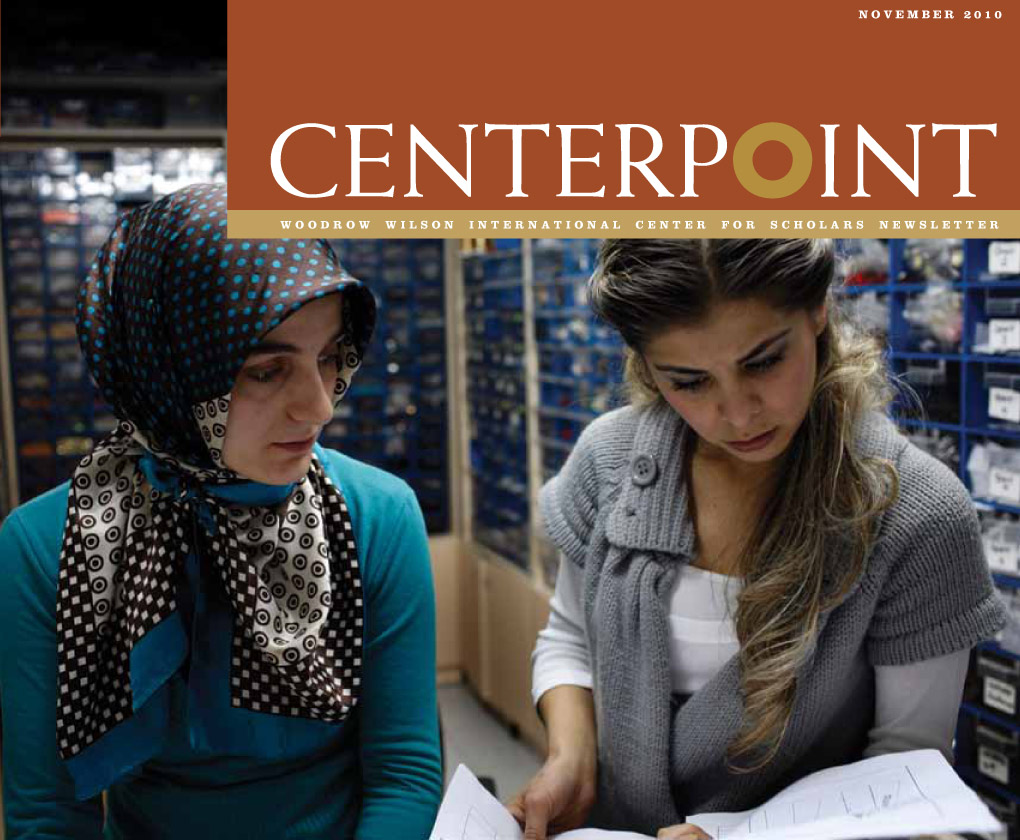
Photo courtesy of Centerpoint. -
Demography and Women’s Empowerment: Urgency for Action?
›Why do Middle Eastern women participate in economic life at a rate lower than that of female citizens of other regions? According to Nadereh Chamlou, a senior advisor at the World Bank, restrictive social norms are to blame. At the Middle East and Environmental Change and Security Programs’ “Demography and Women’s Empowerment: Urgency for Action?” event, Chamlou argued that the region’s women must be empowered to participate in a more significant way if their countries are to effectively exploit, instead of squander, the current economic “window of opportunity.” According to Chamlou, the region is facing a “demographic window of opportunity” where its relatively high numbers of working-age people create the potential for rapid economic growth. However, Middle Eastern countries also have the highest dependency rates in the world. Without opening more economic opportunities for women, the region’s demographic window of opportunity will not be exploited to its full advantage.
Chamlou disputed the commonly held assumptions regarding the historic lack of female participation in the Middle East’s economic sphere, such as the belief that women abstain from joining the workforce because they do not possess the necessary education and skills. She cited statistics showing that the region’s women are represented at a near-equal level as men in secondary school, and to an even greater degree at the university level. They are also studying in marketable fields, disproving the theory that they are not acquiring employable skills.
A survey conducted by the World Bank in three Middle Eastern capital cities — Amman, Jordan; Cairo, Egypt; and Sana’a, Yemen — showed that negative male attitudes regarding women working outside the home were the most significant reason for poor female representation in the workforce. Notably, negative male attitudes restricted women’s participation far more than child-rearing duties. Despite the successful efforts of most Middle Eastern states to improve female education, conservative social norms that pose a barrier to female empowerment remain in place.
Chamlou concluded her remarks with three policy recommendations: 1) Focus on medium-educated, middle-class women; 2) Undertake more efforts to bring married women into the workforce; and 3) Place a greater emphasis on changing attitudes, particularly among conservative younger men, towards women working outside the home. Such changes could more effectively utilize the Middle East’s demographic window of opportunity.
Luke Hagberg is an intern and Haleh Esfandiari is director of the Middle East Program at the Wilson Center.
Sources: Population Reference Bureau.
Photo Credit: Adapted from “Obey Stikman,” courtesy of flickr user sabeth718. -
Syria: Beyond the Euphrates
›September 28, 2010 // By Russell SticklorThe Middle East is home to some of the fastest growing, most resource-scarce, and conflict-affected countries in the world. New Security Beat’s “Middle East at the Crossroads” series takes a look at the most challenging population, health, environment, and security issues facing the region.
Across the Middle East, sustained population growth has strained government institutions, natural resources, and the social fabric of entire societies. In Syria, these problems have been particularly acute.
With a total fertility rate of 3.3 children per woman and a population growth rate of 2.45 percent, the country is slated to swell from 22.5 million people to 28.6 million by 2025, and upward to 36.9 million by mid-century, according to the Population Reference Bureau.
“We have a population problem, no question,” acknowledged Syrian economist and former World Bank official Nabil Sukkar in a recent interview with Reuters. “Unless we cope with it, it could be a burden to our development.”
One of the biggest population problems threatening to derail Syria’s continued development is the scarcity of clean fresh water, which has troubling implications for both the security of the country and the region, since Syria shares key transboundary waterways, like the Euphrates River, with neighbors Iraq and Turkey.
As Syria grows more crowded, can Damascus find a way to encourage more efficient management and sustainable use of the country’s water? Or is greater conflict over the resource at home and in the neighborhood inevitable?
From Water Rich to Water Scarce
Historically, Syria has enjoyed plentiful groundwater resources and water from a number of rivers. Even today, Syria typically receives more annual precipitation per capita than seven other Arab nations, placing Syria 13th on a list of 20 released by the UN Development Programme’s 2009 Arab Human Development Report.
However, rapid demographic change, coupled with a series of severe droughts since 2006, has made life considerably more difficult for many Syrians. According to the UN, erratic rainfall in recent years has reduced Syria’s surface water supplies, inducing crop failures and livestock losses, and nudging millions — especially those involved in subsistence farming — into “extreme poverty.” In particular, wheat production has been hit hard, weakening the country’s food security and pushing farmers to migrate to urban centers.
Heading Underground
To cope with the drought, large- and small-scale farmers alike have increased their reliance on groundwater. But in a country where 90 percent of all water withdrawals are used for agriculture, Syria’s efforts are placing a huge strain on its aquifer health. And despite appearances, it’s not just the drought: Syria’s groundwater depletion problems have spanned decades, mirroring its population growth.
According to Syria’s National Agricultural Policy Center (NAPC), the number of wells tapping aquifers nationwide is thought to have swelled from just over 135,000 in 1999 to more than 213,000 in 2007. The rampant pumping — much of it illegal — has caused groundwater levels to plummet in many parts of the country, and raised significant concerns about the water quality in remaining aquifer stocks.
And demand continues to rise: NAPC reports that the amount of land irrigated by groundwater soared from roughly 650,000 hectares in 1985 to 1.4 million hectares in 2005, a trend that has only accelerated in the face of recent rainfall shortages.
Drawing down aquifers is worrisome as long as withdrawals outpace natural recharge. Some, known as “fossil aquifers,” lack natural inputs or outlets and will never refill — once drained, these aquifers are gone for good.
Avoiding the Hard Choices
For decades, Damascus did little to acknowledge or address the country’s growing problem of aquifer overuse. Government officials shied away from implementing robust policies that would have metered, taxed, or even simply monitored groundwater usage. In lieu of encouraging water-use conservation in the agricultural sector, Syria’s water managers instead focused on manipulating supply, by constructing dams or proposing plans to shuttle water between river basins. In doing so, they largely avoided imposing water austerity measures that almost certainly would have proven politically unpopular.
Belatedly, some efforts to mitigate Syria’s water issues are now underway. The country’s 2005 water-use code called for the licensing of all the country’s wells, threatening fines or prison terms for those caught illegally pumping groundwater. In 2008, Damascus took its campaign one step further, eliminating diesel subsidies that once facilitated groundwater removal.
But while these efforts have had some positive effect on groundwater-use trends nationwide, they could undermine stability in the short term. Illegal wells facilitate crop growth in many areas and help employ thousands in the agricultural sector, so shutting them down could heighten regional unemployment, and further weaken the country’s food security.
There Goes the Neighborhood?
With the future of Syria’s groundwater uncertain, there has been speculation that these internal water tensions might increase competition with neighboring countries for transboundary surface waters. The two countries most inextricably linked to Syria’s water crunch are Iraq and Turkey, who share the Euphrates with Syria.
Syria pulls roughly 85 percent of its water from the Euphrates, making the river a vital strategic resource. Yet water availability has historically been subject to the whims of Turkey, which controls the Euphrates’ headwaters.
Meanwhile, Iraq, which lies downstream of Syria, is also heavily dependant on the river. Understandably, as all three countries have seen their populations grow in recent decades, so too have tensions over controlling and sharing the Euphrates’ flow.
Despite Turkey’s long-standing resistance to international water-sharing pacts and penchant for large-scale hydroelectric projects, a new round of water diplomacy may help ease future tensions over the river. A recently created joint institute — backed by Iraq, Syria, and Turkey — is designed to provide a forum for the three countries to share data and policy ideas. Academics and water experts from the three countries will collaborate on efficient management, share best practices, and create a comprehensive map of the region’s water supplies.
The institute may be only a small step, but its emphasis on transparency is undoubtedly a move in the right direction. For Syria — sandwiched between two much larger countries — better communication with its neighbors is not only smart, but necessary to avoid conflict. But that won’t solve the country’s serious water scarcity problem. Leaders in Damascus should also continue to encourage conservation and more efficient use of water to stretch supplies to meet the needs of their growing population.
Sources: BBC, Global Arab Network, IRIN, Mideastnews.com, National Agricultural Policy Centre (Syria), Population Reference Bureau, Reuters, Syria Ministry of Agriculture, Syria Today
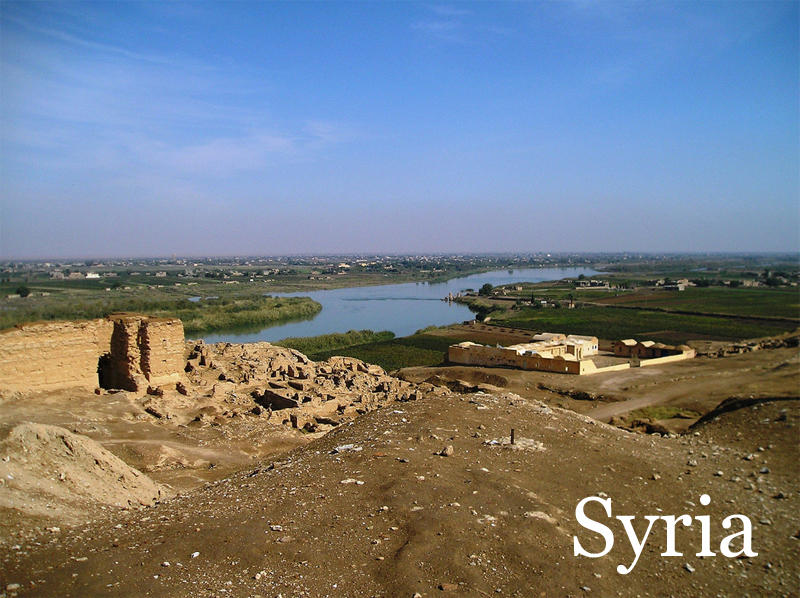
Photo Credit: “Euphrates and the Dig House Dura Europos,” courtesy of flickr user Verity Cridland. -
Environmental Disaster or Impetus for Cooperation?
Iraq: Steve Lonergan on the Southern Marshes
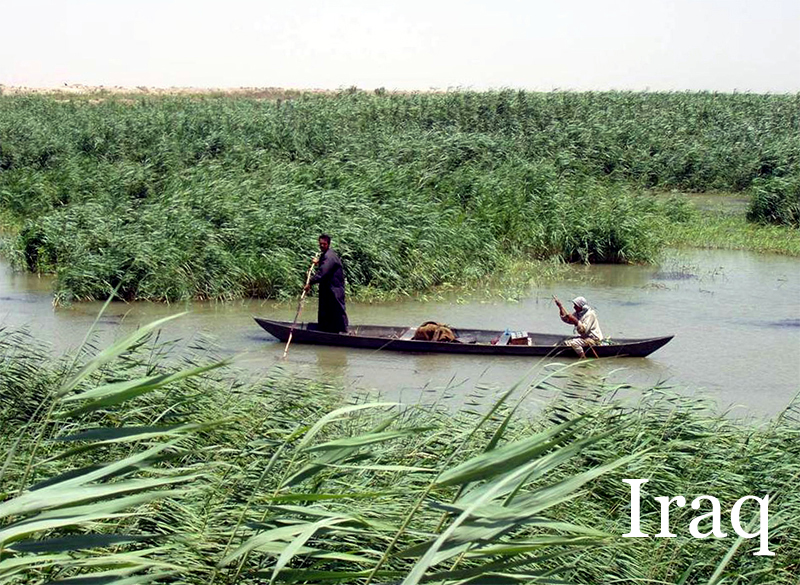
›September 21, 2010 // By Schuyler NullIraq’s Southern Marshes, once the Middle East’s largest and most ecologically diverse wetlands, have survived the Iran-Iraq war, systematic drainage by Saddam Hussein, American invasion, and record-breaking drought. Today, however, the prospects for survival are dimming, as water consumption across the region continues to increase and security remains unsettled. Despite these challenges, the marshes’ location along the Iranian border and their reliance on flow from Turkey upstream offers unique potential for environmental peacemaking in this troubled region.
-
Israel and Lebanon: New Natural Gas Riches in the Levant
›September 17, 2010 // By Russell SticklorThe Middle East is home to some of the fastest growing, most resource-scarce, and conflict-affected countries in the world. New Security Beat’s “Middle East at the Crossroads” series takes a look at the most challenging population, health, environment, and security issues facing the region.
It doesn’t take much to get Israel and Lebanon at each other’s throats these days, given that the two neighbors engaged in a significant war in 2006. That conflict remains an open wound, as the two sides remain technically at war to this day. Periodic cross-border flare-ups — most recently over the cutting down of a tree on their shared border, which left one Israeli and three Lebanese dead — show neither side has to be pushed far to trigger an outbreak of violence.
In recent months, a new wrinkle — and a new source of potential conflict — has been added to bilateral relations, with the discovery of significant natural gas reserves under Mediterranean waters off both countries’ coasts. The find has sparked a scramble from Beirut and Jerusalem, as the two energy-hungry nations look to capitalize on the deposits and exploit the reserves. For both Israel and Lebanon, developing the natural gas potential of this swath of the eastern Mediterranean could augment energy supply, and even pave the way to a greener energy future. But fears of a military stand-off over the resource lurk just around the corner, given that much of the extractable natural gas in question lies under contested waters.
Maritime Border Undefined
The U.S. Geological Survey estimates the recoverable amount of natural gas reserves, which lie in an area known as the Levant Basin Province, to be 122 trillion cubic feet (tcf). While not a huge find by global standards — the world consumed 110 tcf of natural gas in 2008 — the discovery is a potential game-changer in terms of the energy security of both Israel and Lebanon. According to the U.S. Energy Information Administration, in 2007 Israel produced only four percent of the total energy it consumed, while Lebanon generated just three percent of the energy it used. With the natural gas bonanza, not only would the two countries become more self-sufficient in meeting their own domestic energy needs, there is also speculation they could even one day become natural gas exporters.
The question that is only now beginning to be addressed is who controls what. Under the UN Convention on the Law of the Sea, every coastal country has an exclusive economic zone (EEZ) that extends 200 miles off its shoreline. But in certain bodies of water, EEZ territorial claims have overlapped, with one of those areas disputed being the Mediterranean.
At this point, much of the known reserves appear to lie firmly in Israeli territorial waters, one of the reasons Israel has outpaced Lebanon in moving to drill for the resource. But Lebanese leaders — long concerned about the prospect of Israel infringing upon Lebanon’s sovereignty — have sounded the alarm, claiming that a substantial amount of the reserves may lie in Lebanese territorial waters. Further complicating matters is the fact that the two countries’ maritime border has remained unfixed since the end of the 2006 war, meaning that each country could have a legitimate claim that the other is trespassing on its sovereign territory in pursuit of the gas.
Hinting at a Physical Confrontation
The stakes appear high. In a recent interview with The New York Times, Ali Hamdan, an assistant to Lebanese Parliament speaker Nabih Berri, issued a strong-worded statement on potential Israeli drilling in disputed waters. “Lebanon fears that Israel, based on its history of occupying our lands and stealing our water, will drill in Lebanon’s waters and steal its natural resources,” Hamdan asserted. “Lebanon strongly warns Israel from drilling its natural gas. It will not tolerate violations of its sovereignty.”
In recent weeks, the Lebanese government has also taken steps to secure what it can, announcing plans to start doling out contracts for underwater exploration of the Levant Basin Province’s natural gas and oil reserves. Beirut is also putting together documents outlining what it considers to be the actual Israeli-Lebanese maritime border, which it plans to submit to the UN Security Council for consideration.
For its part, Israel has pledged that it will be drilling for natural gas only in waters under its control. At the same time, however, the country has refused to back down to Lebanese threats against its natural gas development activities and infrastructure, warning that it will not hesitate to meet force with force. The posturing reveals how strategically important the exploitation of the gas reserves is for both countries. With Lebanon’s population expected to grow by some 400,000 between 2010 and 2025, and Israel’s population projected to grow by 1.8 million in the same time period, there is an acute awareness in both Beirut and Jerusalem that energy demand will be rising in the near future.
A “Bridge Fuel” to a Cleaner Energy Future?
Despite the very real conflict potential of the new natural gas find, the presence of significant reserves in the eastern Mediterranean has also been the cause for limited optimism. In addition to helping ease the oil- and coal-dependence of Israel, Lebanon, and their neighbors, the heightened integration of natural gas into the region’s energy infrastructure may help substantially cut down on carbon emissions, since natural gas is the cleanest-burning fossil fuel. (In 2008, Israel and Lebanon pumped 70.21 metric tons and 14.37 metric tons of carbon dioxide into the atmosphere, respectively, owing largely to their heavy reliance on coal and petroleum.)
Natural gas is also a versatile energy source for electricity production that can be used by the region’s households, businesses, and factories alike. As a result, not only could natural gas’s rising profile in Israel and Lebanon’s respective energy portfolios help improve air quality, it could also accelerate the development of low-polluting, natural gas–fueled automobiles and public transit.
But even given such environmental benefits, the environmental picture is not all rosy. The underwater extraction of natural gas poses potentially severe risks to the maritime environment, one of the reasons that Israelis living in the northern part of the country have steadfastly opposed any potential drilling. (Another source of local residents’ concern has been that the physical infrastructure needed to harvest, store, and later distribute natural gas overland could prove a highly attractive target for Hezbollah-linked militants based in Lebanon.)
In the end, drilling for natural gas in the eastern Mediterranean by both Israel and Lebanon will undoubtedly move forward. The real question is whether given the controversy already unleashed by the Levant Basin Province reserves, Israel and Lebanon will eventually find it in their own enlightened self-interests to strike an accord on developing the region’s natural gas — or instead unleash missiles to protect what they consider rightfully theirs.
Sources: Center for American Progress, Earth Times, National Public Radio, New York Times, Population Reference Bureau, U.S. Energy Information Administration, U.S. Geological Survey, Washington Post, Yalibnan.com.
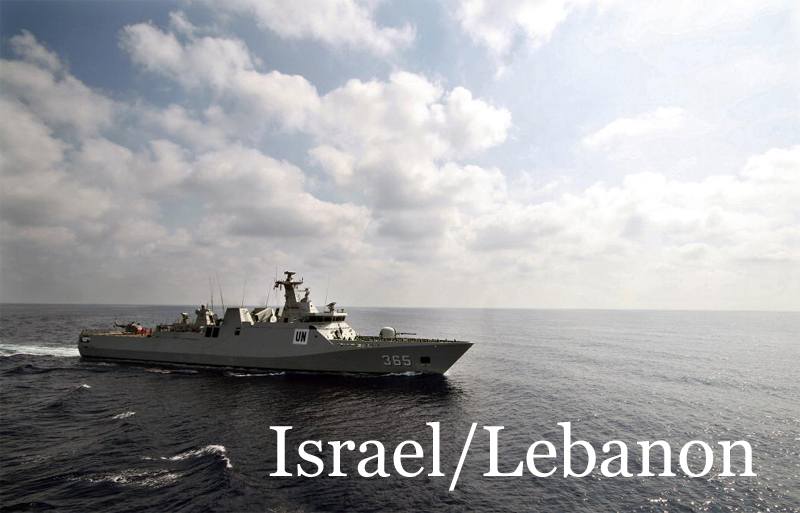
Photo Credit: “UNIFIL Vessel Patrols Lebanese Coast,” courtesy of flickr user United Nations Photo. -
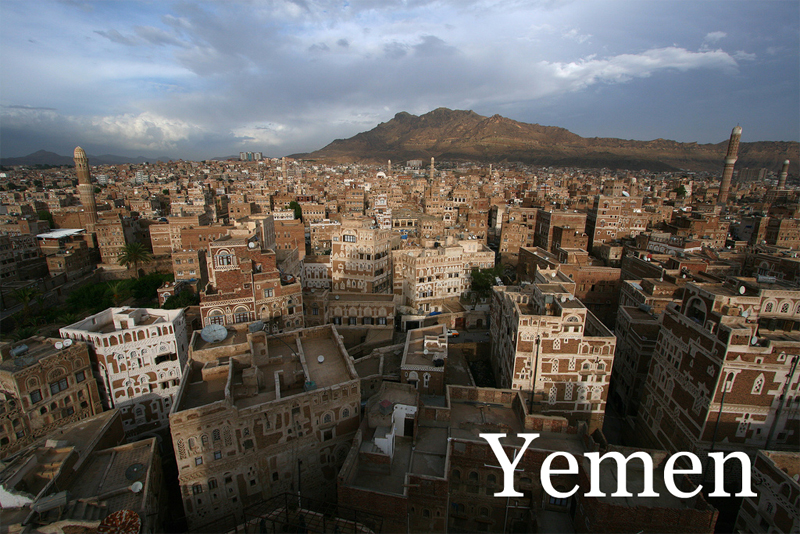
Yemen: Population, Environment, and Security Collide
›September 14, 2010 // By Schuyler NullThe Middle East is home to some of the fastest growing, most resource-scarce, and conflict-affected countries in the world. New Security Beat’s “Middle East at the Crossroads” series takes a look at the most challenging population, health, environment, and security issues facing the region.
Yemen is one of the most kinetic intersections of human and environmental security in the world. At the tip of the Arabian Peninsula, it is a natural gateway for those fleeing hardship in the conflict-wracked Horn of Africa, but observers are concerned it may soon resemble something much less than a haven.
Increased local resistance to a corrupt regime in Sanaa and an influx of Al Qaeda influence recently caused the CIA to reassess the franchise in Yemen as a more urgent threat to national security than the core Al Qaeda elements in Pakistan and Afghanistan.
In addition to these traditional security challenges, Yemen faces a bevy of population and environment-related problems. With its 22.8 million people, Yemen is growing faster than any other country in the Middle East – by 2050, it will rival Spain in total population. It is home to nearly a million impoverished migrants from East Africa, is almost totally reliant on groundwater that is being drained faster than can naturally be replenished, has an unemployment rate approaching 40 percent, the lowest rating in the world for gender equity, and almost no source of income besides oil exports, which have declined 56 percent since 2001 and are expected to continue sliding, barring any major new discoveries.
Beyond its more covert commitments, the United States has pledged over $210 million to Yemen for military, economic, and development assistance for this year alone. Is it enough to stave off collapse in one of the Middle East’s most troubled states?
For more see The New Security Beat’s full feature, “Demographics, Depleted Resources, and Al Qaeda Inflame Tensions in Yemen,” published earlier this summer.
Sources: Associated Press, Association for the Study of Peak Oil – USA, Central Intelligence Agency, Washington Post.
Photo Credit: Adapted from “Old Town Sanaa – Yemen 53,” courtesy of flickr user Richard Messenger. -
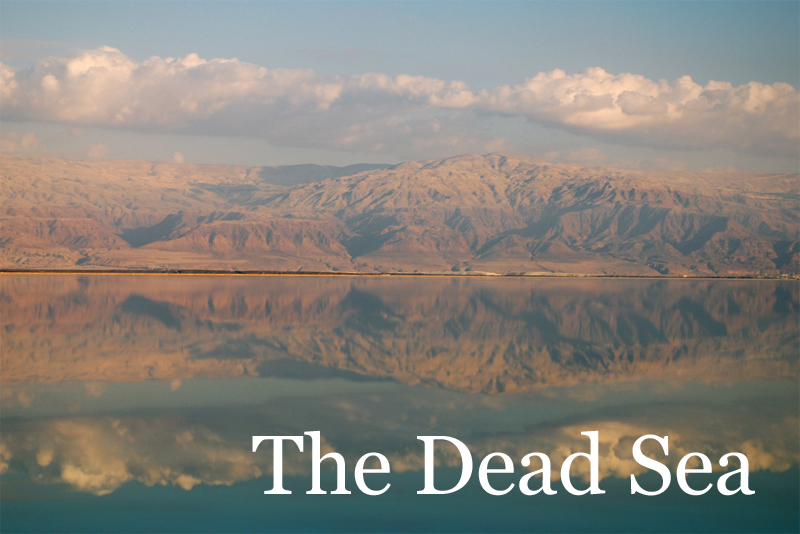
The Dead Sea: A Pathway to Peace for Israel and Jordan?
›September 7, 2010 // By Russell SticklorThe Middle East is home to some of the fastest growing, most resource-scarce, and conflict-affected countries in the world. New Security Beat’s “Middle East at the Crossroads” series takes a look at the most challenging population, health, environment, and security issues facing the region.
Amidst the start of a new round of Middle East peace negotiations, the fate of the Dead Sea — which is divided between Israel, Jordan, and the West Bank — may not seem particularly relevant. But unlike the perpetually thorny political issues of Israeli settlement policy and Palestinian statehood, the Dead’s continuing environmental decline has sparked rare consensus in a region beset by conflict. Israelis, Jordanians, and Palestinians all agree that something must be done. The much more difficult question, however, is what. But no one is lacking for ideas.Who Stole the Dead’s Water?
Some 1,400 feet below sea level, the shoreline of the Dead Sea lies at the lowest dry point on the planet. Since the 1970s, this ancient inland saltwater sea has been changing, and fast, with the water level dropping at a rate of three feet per year. The region’s stifling heat and attendant high evaporation rates have certainly played their part. But the real culprits are irrigated agriculture and household water demand, spurred by population growth, which have siphoned off much of the precious little water that once flowed into the sea.
Historically, the Jordan River and its tributaries have contributed roughly 75 percent of the Dead’s annual inflow, or about 1.3 billion cubic meters per year. Even though the Jordan isn’t a large river system, it is an economic lifeline in this parched region. The basin’s waters have been tapped to the point of exhaustion by businesses, farms, and households in Israel, Jordan, the West Bank, and, father afield, Syria and Lebanon. With the cumulative population of those areas projected to increase by 68 percent between now and 2050 (or from 44.9 million today to 75.4 million by mid-century), strain on the region’s water supply will only increase with each passing year.
Already, the Jordan and its tributaries are far worse for the wear. Pollution is an ongoing concern thanks to untreated wastewater entering the river system, while a sprawling network of dams and other irrigation diversions to “make the desert bloom” has carried with it a hefty environmental price tag. The Jordan now delivers a scant 100 million cubic meters to the Dead each year, with up to 50 percent of that flow likely contaminated by raw sewage due to inadequate wastewater treatment upstream.
Meanwhile, water depletion rates in the Dead have been exacerbated by mineral-extraction companies on the sea’s southern reaches, which rely heavily on evaporation ponds to remove valuable minerals from the saltwater.
Tapping the Red
Attempts to internationalize the environmental dilemmas facing the greater Dead Sea region range from a proposed transborder “peace park” in the Jordan River valley to a global, internet-driven campaign to vote the Dead Sea as one of the seven natural wonders of the world. But by far the most ambitious — and controversial — idea for restoring the Dead Sea’s health is to build a 186-mile canal to bring in water from the Red Sea.
The plan has been around for decades, but has not gotten off the drawing board due to its large scale and costs. The project’s centerpiece would be a waterway built through the Arava Desert Valley along the Israeli-Jordanian border. Proponents on both sides of the border say the canal could help raise the Dead’s surface level, helping restore the area’s struggling ecosystems. And given the canal’s substantial elevation drop from sea level to shoreline, its waters could likely be harnessed for hydroelectricity, powering desalination plants that would provide new fresh water for the region.
The project could also harness cross-border environmental issues to transcend long-standing political and religious divisions between the region’s Jewish and Arab populations. “People are saying that water will cause wars,Dr. Hazim el-Naser in a 2002 interview on the canal project, when he served as Jordanian minister of water and irrigation. “We in the region, we’re saying, ‘No.’ Water will enhance cooperation. We can build peace through water projects.” Currently, the canal proposal is the subject of a World Bank feasibility study expected to be completed in 2011.
Deep Skepticism Remains
Still, as diplomatically and environmentally promising as a Red-Dead canal may seem, not everyone is on board with the proposed project. Environmentalists’ concerns run the gamut from unintended ecological impacts on the Dead Sea’s delicate chemical composition, to a sense that, even after decades of on-and-off consideration, the project is being pushed at the expense of other possible policy options.
The New Security Beat recently contacted Mira Edelstein of the international environmental nonprofit Friends of the Earth Middle East via email to discuss some of the group’s concerns about the canal. Edelstein highlighted some of the potential pitfalls of — and alternatives to — a canal link to the Dead:
New Security Beat: How have population growth and the corresponding rise in food demand in Israel, Jordan, and the West Bank affected the Dead Sea’s health?Mira Edelstein: The Jordanian and Israeli agricultural sectors still enjoy subsidized water tariffs, making it easy to continue growing water-intensive crops. But this depletes flows in the lower Jordan River system, and directly impacts the Dead Sea.
NSB: Why is your organization opposed to the idea of a Red-Dead canal link?ME: Friends of the Earth Middle East does not support a Red Sea link, as this option carries the risk of irreparable damage. We believe that this option will not only damage the Dead Sea itself — where the mixing of waters from two different seas will surely impact the chemical balance that makes the Dead Sea so unique — but also because we are worried that pumping such an enormous amount of water from the Gulf of Aqaba will likely harm the coral reefs in the Red Sea itself.
NSB: What steps do you propose to improve environmental conditions in the Dead Sea and the Jordan River valley?
Additionally, the Arava Desert Valley, where the pipes will be laid, is a seismically active region. Any small earthquake might damage the pipes, causing seawater to spill and polluting underground freshwater aquifers.ME: It all has to do with the water policies in the region. The governments [of Israel, Jordan, and the West Bank] desperately need to reform our unsustainable policies, and at the top of this list is agriculture. This means removing water subsidies and changing over from water-intensive crops to more sustainable crops appropriate for the local environment.
Sources: Friends of the Earth Middle East, Israel Marine Data Center, Israel Ministry of Foreign Affairs, National Geographic, the New York Times, Population Reference Bureau, United Nations, Washington Post, Waternet, the World Bank.
In addition, wastewater treatment plants need to be built throughout all of the Jordan valley region so that only treated wastewater is used for agriculture. Some of that treated water, and of course fresh water, should be brought back into the Jordan River system that will later flow into the Dead Sea…In addition, ecotourism projects should be encouraged, as they are an economic stimulus that can help support greater environmental conversation in the region.
Photo Credit: “Dead Sea Reflection,” looking east across the Dead Sea to the Jordanian shore, courtesy of flickr user Mr. Kris. -
Water, Power, Trash, and Security: Interview with Mishkat Al Moumin, First Iraqi Minister of the Environment
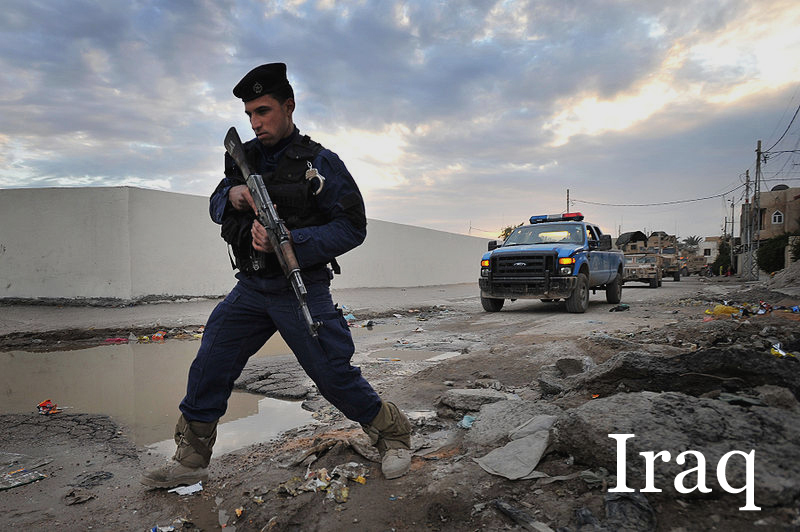
›August 31, 2010 // By Schuyler NullAs the final American combat brigade pulls out of the country, the prevailing opinion in the United States about Iraq at the moment seems to be one of “bad politics are better than no politics,” and that despite continued violence (albeit significantly lessened from 2006-2007 levels), the American mission is largely finished. However, serious challenges remain, one of the most significant being the government’s continued inability to supply basic services to a growing population.
Showing posts from category Middle East.